G.Skill has reached a $2.4 million settlement in a class-action lawsuit accusing the company of misleading customers about the real-world speeds of its DDR4 and DDR5 RAM kits. The dispute centered on whether advertised speeds—such as 2133 MHz for DDR4 or 4800 MHz for DDR5—were achievable without manual BIOS adjustments or motherboard overclocking profiles. While the company agreed to the payout, it continues to deny any wrongdoing, arguing its products were properly labeled and performed as advertised.
Eligible claimants—those who purchased qualifying G.Skill DDR4 or DDR5 RAM (excluding laptop memory) with rated speeds above 2133 MHz or 4800 MHz between January 2018 and January 2026—must submit proof of purchase by April 7 to receive compensation. However, the payout will be significantly reduced after legal fees and administrative costs, with only a fraction of the settlement pool likely reaching individual customers.
The settlement also mandates changes to G.Skill’s packaging and marketing materials. Future products must include disclaimers clarifying that advertised speeds require BIOS adjustments or motherboard support, and labels will need to specify up to language for maximum achievable speeds. Industry practices suggest other brands have already adopted similar transparency measures, potentially mitigating future legal risks.
Key specs affected by the lawsuit
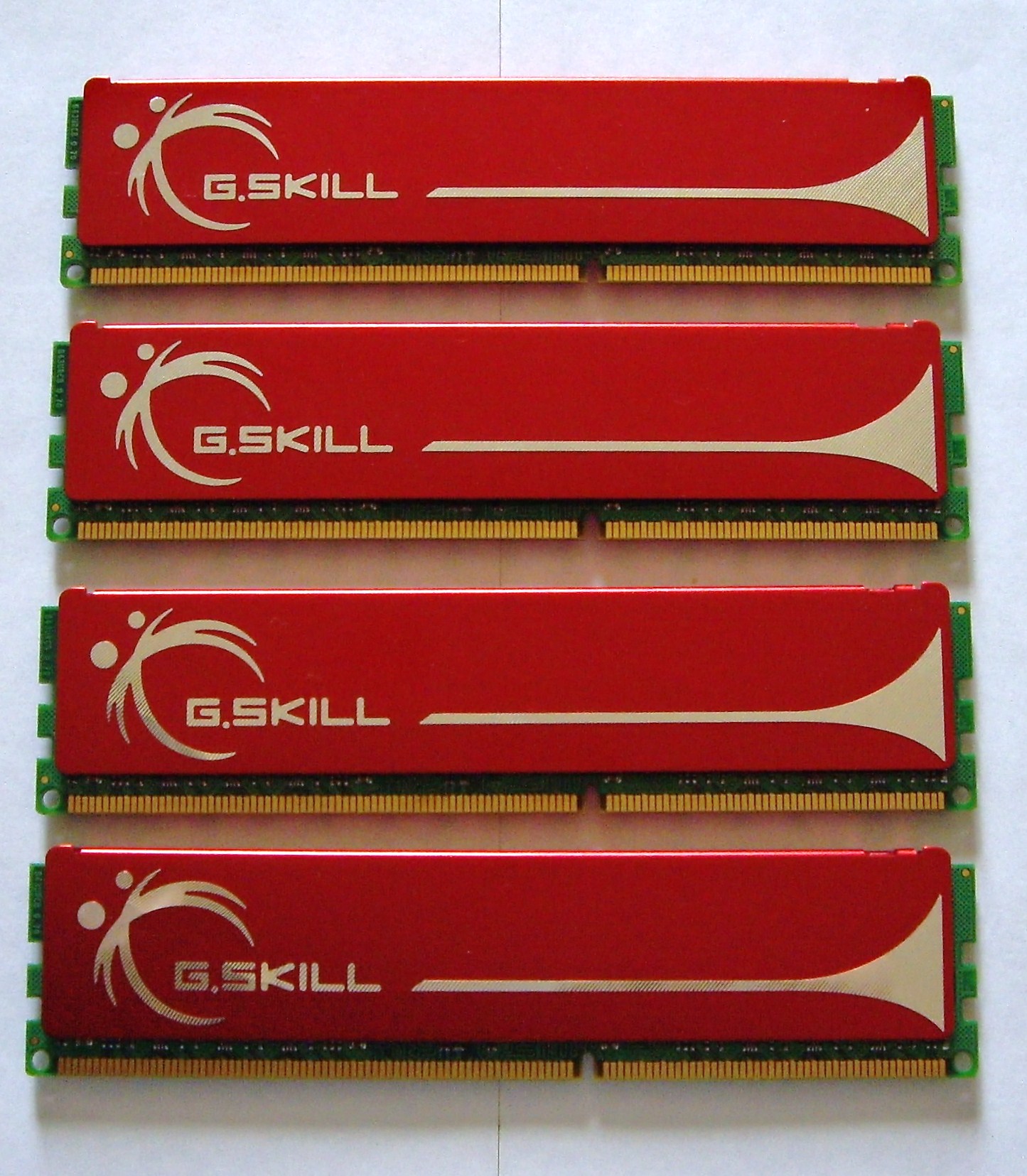
- DDR4 kits: Advertised speeds above 2133 MHz (e.g., 2400 MHz, 2666 MHz, 3200 MHz, 3600 MHz).
- DDR5 kits: Advertised speeds above 4800 MHz (e.g., 5200 MHz, 6000 MHz, 8400 MHz in extreme overclocked configurations).
- Excluded: Laptop RAM and kits marketed for non-desktop systems.
The lawsuit hinged on a common but often overlooked detail in high-performance RAM: advertised speeds frequently rely on XMP (Extreme Memory Profile) or manual overclocking, which not all systems can achieve. G.Skill’s defense rests on the argument that its labeling was accurate—just not universally achievable without additional configuration. For consumers, the case serves as a reminder that real-world performance can lag behind marketing claims, particularly in systems with older motherboards or CPUs lacking memory controller support.
While the settlement resolves the legal dispute, it underscores broader challenges in how memory manufacturers communicate performance. The shift toward clearer disclaimers may benefit consumers by setting more realistic expectations, though the underlying issue—whether advertised speeds should be considered out of the box or maximum potential—remains debated in the tech community.