Thermal management has reached a crossroads. On one side lies the promise of unprecedented cooling efficiency—diamond-infused copper blocks with theoretical conductivities that rival exotic materials. On the other, there’s the reality of cost and scalability, where even the most advanced prototypes struggle to justify their place in consumer systems.
At this year’s Computex, a German thermal solutions provider took these tensions to the next level, introducing two refined iterations of its high-performance thermal pastes alongside a radical prototype: a direct-die copper block embedded with industrial-grade diamonds. The result is a showcase that blurs the line between cutting-edge research and practical cooling solutions for PC builders.
The new Duronaut Pro paste positions itself as an evolution over its predecessor, targeting gamers, overclockers, and industrial setups where long-term stability meets high thermal conductivity. Its counterpart, Hydronaut Pro, is designed for systems paired with large-surface liquid coolers, eliminating silicon to reduce interference while maintaining low temperatures. Both claim significant improvements in heat dissipation, though real-world validation remains pending.
The star of the show, however, was not a paste but a prototype block: a Mycro Direct-Die variant using two CVD diamonds, each theoretically capable of conducting up to 2200 W/m-K. When compared against a standard copper cold plate, the diamond-enhanced version delivered measurable gains in thermal performance. Yet, with a price tag that would likely exceed €500 for the diamonds alone, its viability as a consumer product is questionable. This prototype serves more as a benchmark—a demonstration of what’s possible when material science meets cooling engineering—than a practical upgrade.
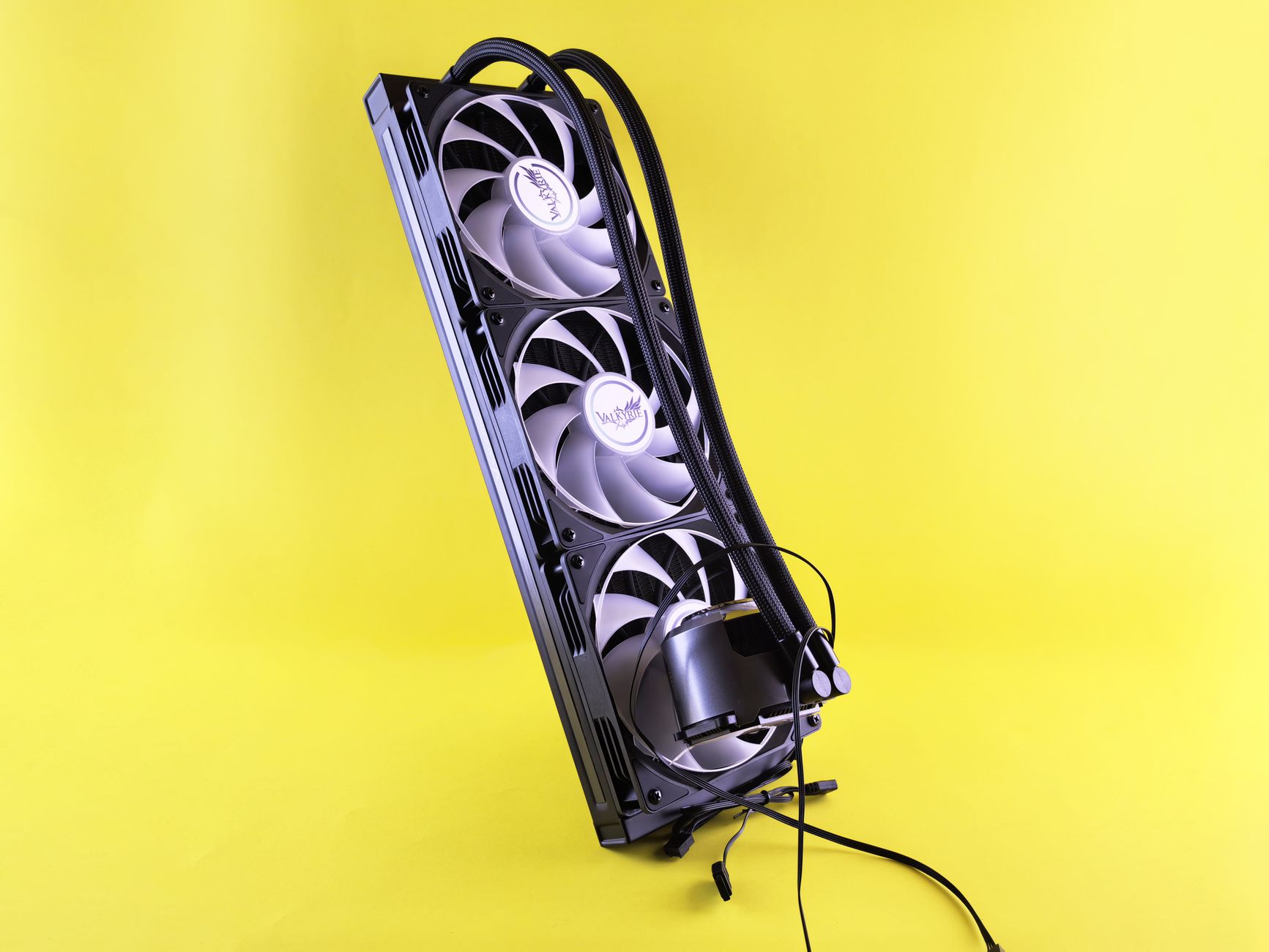
Beyond the diamond block, the company also unveiled four next-generation Physical Vapor Deposition (PVD) coatings developed in collaboration with Swiss experts. These coatings promise tailored benefits: enhanced corrosion resistance, scratch resistance, and thermal performance. While still in testing, some have shown impressive results, hinting at future iterations of Thermal Grizzly’s cooling blocks that could redefine durability and efficiency.
For PC builders, the implications are clear but nuanced. The Duronaut Pro and Hydronaut Pro pastes offer tangible improvements for those willing to adopt them early, particularly in high-end gaming or overclocking setups where thermal margins matter most. The diamond prototype, however, remains a curiosity—a testament to innovation without immediate practicality. Its inclusion suggests that the industry is still exploring the boundaries of what’s achievable, even if not yet what’s affordable.
The real takeaway lies in the balance between performance and cost. While the diamond block pushes the envelope, its limitations highlight the challenges of translating lab breakthroughs into mainstream products. For now, builders should focus on the refined pastes—solutions that are both advanced and accessible—while keeping an eye on whether coatings or materials like diamonds can ever break through to become viable upgrades.