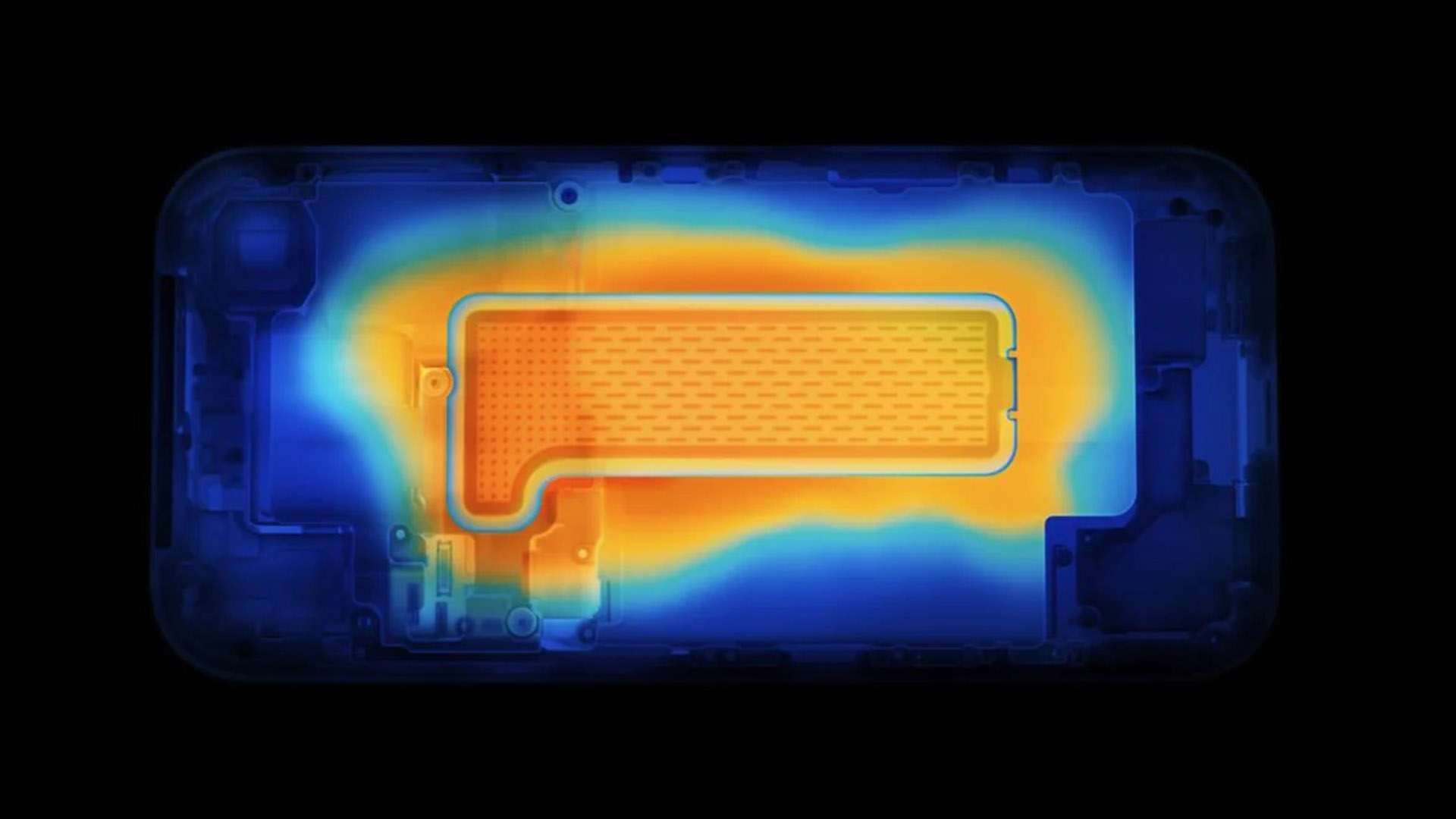
Apple’s latest M5 chip, built with a focus on power efficiency and slim form factors, introduces a critical trade-off for gamers: passive cooling that can degrade performance by nearly half under sustained workloads. Unlike its predecessor in the MacBook Pro lineup, which relies on active cooling to maintain thermal stability, the M5’s design prioritizes silent operation over peak performance, leaving users vulnerable to FPS drops during intensive tasks.
The M5 chip’s passive cooling system, while effective for everyday productivity and battery life, struggles under prolonged gaming sessions. Benchmarks show a noticeable drop in frame rates when the chip is pushed beyond its thermal comfort zone, particularly in scenarios requiring sustained high performance. This shift away from active cooling marks a departure from Apple’s traditional approach, raising questions about how it will impact upgrade decisions for users who prioritize both portability and performance.
Key specifications of the M5 include
- A 12-core CPU with a base clock speed of 3.7 GHz and a boost clock speed of up to 4.0 GHz.
- Up to 38-core GPU, delivering significant improvements in graphics performance under ideal thermal conditions.
- Passive cooling design, which aims to eliminate fan noise but introduces thermal throttling risks during extended workloads.
The M5’s passive cooling strategy is a double-edged sword. On one hand, it eliminates the hum of active fans, making it more suitable for environments where silence is paramount. On the other, it forces users to balance their need for high performance with the limitations imposed by thermal design. For gamers, this means that sustained sessions can lead to noticeable FPS drops, potentially making the M5 a less attractive option compared to actively cooled alternatives.

This shift also complicates upgrade decisions for users who rely on Apple’s hardware for both productivity and gaming. The MacBook Pro’s active cooling system has long been a staple for those demanding consistent performance, even under heavy loads. With the M5’s introduction, users must now weigh the benefits of passive cooling—such as improved battery life and reduced noise—against the potential drawbacks, such as thermal throttling during intense workloads.
For those considering an upgrade, the choice between the M5 and actively cooled models hinges on their priorities. If portability and silence are paramount, the M5’s passive cooling design may be appealing despite its performance limitations. However, gamers or professionals requiring sustained high performance will likely find themselves drawn to the MacBook Pro’s active cooling system, which offers a more stable experience under demanding conditions.
The M5’s introduction underscores Apple’s ongoing effort to redefine what it means to balance performance and efficiency in portable devices. While its passive cooling design is innovative, it also highlights the challenges of pushing hardware to its limits without compromising on thermal management. For now, users must navigate these trade-offs carefully, ensuring that their choice aligns with both their workflow demands and long-term compatibility needs.