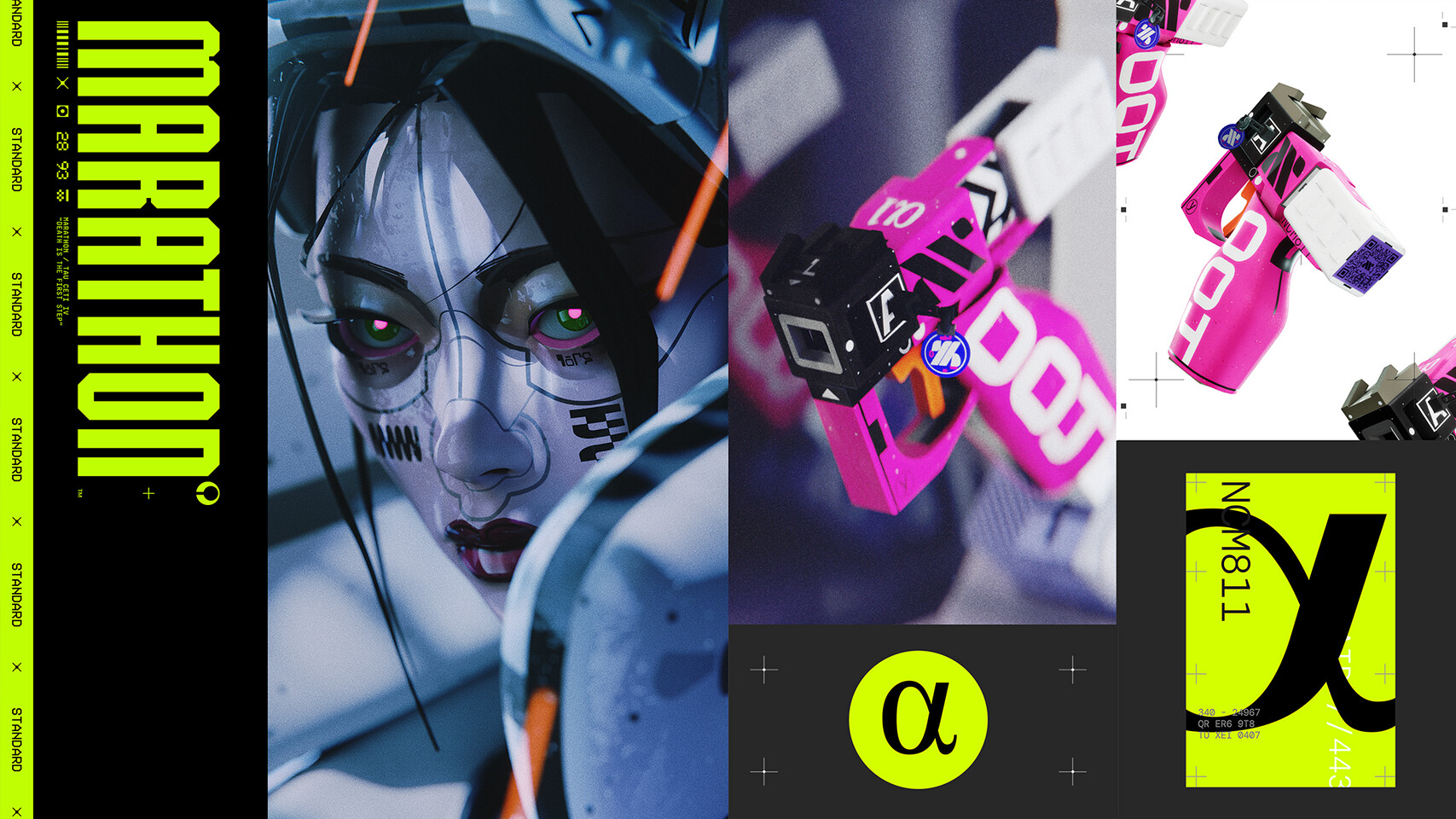
Marathon is set to redefine expectations when it launches on PC next month. The game’s minimum system requirements, now visible, suggest that players with hardware from nearly a decade ago can still enjoy the experience without needing the latest high-end components.
The minimum setup includes GPUs released in 2016 or earlier, such as NVIDIA’s GeForce GTX 1050 Ti (4 GB), AMD’s Radeon RX 5500 XT, or Intel’s Arc A580—though the latter requires ReBar support. These components must be paired with at least 8 GB of DDR6 RAM and a CPU like Intel’s Core i5-6600 or AMD’s Ryzen 5 2600.
For smoother performance, Marathon recommends GPUs like NVIDIA’s RTX 2060 (6 GB), AMD’s RX 5700 XT (8 GB), or Intel’s Arc A770 (16 GB). The recommended CPU tier jumps to an Intel Core i5-10400 or AMD Ryzen 5 3500, alongside 16 GB of RAM. While no specific target frame rates or resolutions are mentioned, the minimum specs imply playable performance around 60 FPS at low settings.
This approach could significantly expand Marathon’s reach to mid-range systems and even handheld devices like the ASUS ROG Ally, which features similarly powerful integrated GPUs. However, whether TPM 2.0 or Secure Boot will be required for anti-cheat compatibility remains unaddressed, leaving that detail unresolved.
Key Specifications
- Minimum GPU: NVIDIA GTX 1050 Ti (4 GB), AMD RX 5500 XT, Intel Arc A580
- Recommended GPU: NVIDIA RTX 2060 (6 GB), AMD RX 5700 XT (8 GB), Intel Arc A770 (16 GB)
- Minimum CPU: Intel Core i5-6600, AMD Ryzen 5 2600
- Recommended CPU: Intel Core i5-10400, AMD Ryzen 5 3500
- RAM: Minimum 8 GB (DDR6), Recommended 16 GB
The game’s hardware flexibility may appeal to budget-conscious players or those upgrading from older systems. However, the absence of a clear target resolution or frame rate leaves room for interpretation on how well the game will perform across different configurations.
Looking Ahead
Marathon’s launch on March 5 marks a significant moment in gaming history, especially given its roots as a cult classic. The game’s developers have not yet provided additional details about performance expectations or system requirements beyond what is listed. This could change as the release date approaches, but for now, players with older hardware are being given a rare opportunity to experience Marathon without needing to invest in high-end components.
The game’s approach to hardware requirements also raises questions about its potential impact on the gaming industry. If Marathon can run smoothly on such modest specifications, it may set a new benchmark for accessibility in PC gaming, potentially influencing other developers to adopt similar strategies. This could be particularly relevant at CES 2026, where discussions around hardware accessibility and innovation are likely to be prominent.