Roguelikes thrive on unpredictability, but few games have faced as many obstacles as Mewgenics. First teased in 2012 under the Team Meat banner, the project was delayed, shelved, and ultimately canceled—only to resurface years later under a new collaboration. Now, after a 14-year odyssey, the game has not just arrived but exploded onto Steam’s top charts, selling over 250,000 copies in less than a day.
This isn’t just a success story for the game itself, but for its creator, Edmund McMillen, who has described the journey as both demoralizing and ultimately vindicating. The cancellation in 2018 left him disillusioned, not just with the project but with his own ability to sustain passion for a vision without shared enthusiasm. Yet, partnering with Tyler Glaiel and reviving Mewgenics* under a new creative direction has turned into a rare triumph—one he never doubted would come to fruition.
The game’s release follows years of teasing, including a bizarre live-action trailer in 2025 that hinted at its darkly comedic, roguelike core. That momentum translated into immediate sales figures: over 65,000 concurrent players at launch, a near-perfect user rating, and a No. 1 spot on Steam’s top sellers list. For a project that once seemed doomed, the numbers speak for themselves.
From Team Meat to Solo Triumph
McMillen’s path to Mewgenics was never linear. After the initial cancellation, he pivoted to other projects—Super Meat Boy Forever, Fingered, contributions to The Binding of Isaac, and even experimental titles like The End is Nigh and The Legend of Bum-bo. It wasn’t until 2025 that he and Glaiel fully committed to finishing Mewgenics, treating it as both a creative rebirth and a testament to perseverance.
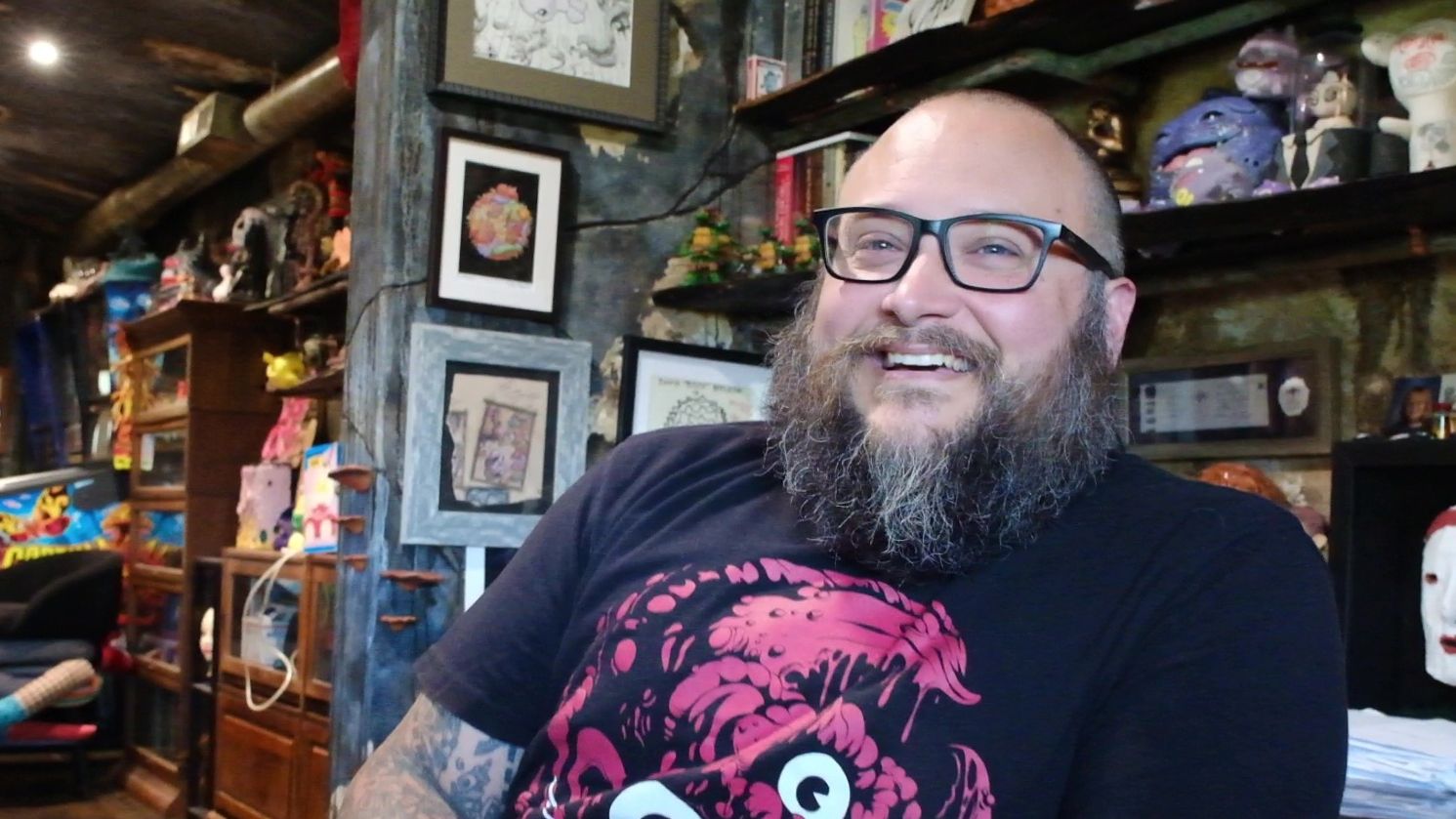
The emotional stakes were high. McMillen has spoken about the crushing disappointment of abandoning a project he believed in deeply, but also the quiet confidence that it would one day see the light. That belief has now been validated—not just by sales, but by the game’s reception. Players and critics alike have praised its brutal yet charming roguelike design, where every run feels fresh, every death is punishing, and the absurdity of its premise (a world overrun by cats) somehow makes the stakes feel higher.
Why It Matters
Mewgenics isn’t just a late-in-the-game success—it’s a reminder of how persistence can outlast skepticism. For developers, it’s a case study in reinvention: a project that survived cancellation, creative shifts, and years of uncertainty only to arrive as a critical and commercial hit. For players, it’s a rare treat—a game that balances chaos with precision, cruelty with charm, and delivers an experience that feels both familiar and entirely its own.
The numbers don’t lie. In an era where indies often struggle for visibility, Mewgenics* has done something extraordinary: it has turned a 14-year wait into a cultural moment. And for McMillen, that’s the ultimate vindication.