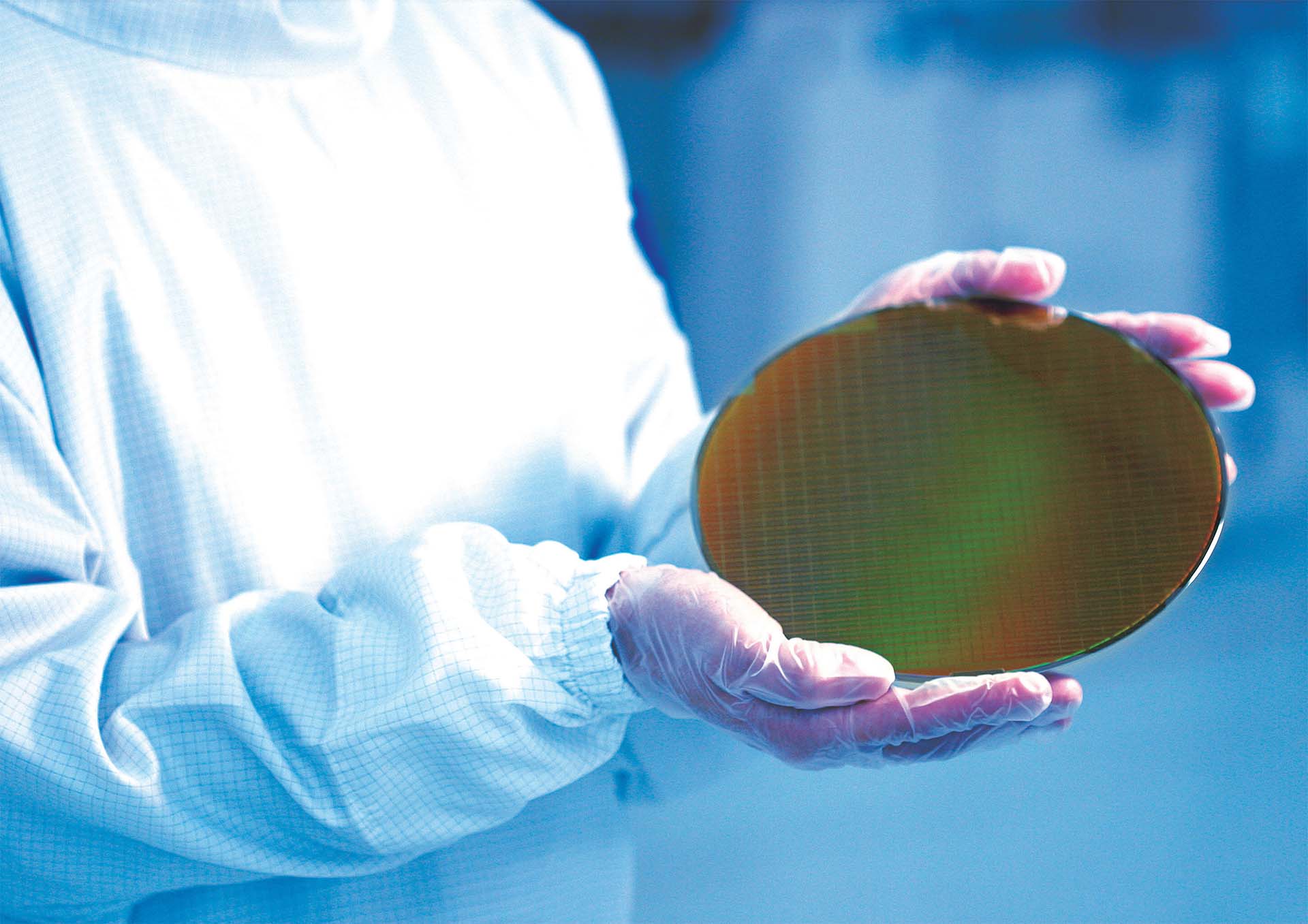
Semiconductor and memory manufacturers in Asia face mounting pressure as geopolitical tensions in the Middle East threaten to tighten energy supplies—especially helium from Qatar—and disrupt shipping routes. The conflict risks prolonging supply chain disruptions that could delay AI-related infrastructure builds, even as demand surges.
The Strait of Hormuz has become a critical flashpoint, with companies like TSMC, Samsung, and SK hynix already adjusting production plans to account for higher costs or potential shortages. Helium, essential for cooling silicon wafers during high-energy lithography processes, is one immediate vulnerability; Qatar supplies nearly 40 percent of the global helium market.
Why Asia’s chip industry is uniquely exposed
South Korea and Taiwan—key hubs for semiconductor manufacturing—import over 90 percent of their energy needs. Unlike other regions, they have limited domestic alternatives, making them highly sensitive to disruptions in global trade flows. If the conflict extends beyond a few weeks, manufacturers may need to ration production or pass on costs to customers, creating ripple effects through AI and data center supply chains.

What happens next if tensions persist
- Production adjustments: Fabs like TSMC could scale back output or prioritize high-margin products (e.g., advanced logic chips over memory).
- Cost increases: Helium shortages and shipping delays would force price hikes, potentially slowing AI hardware deployments.
- Domino effects: Fabless customers (e.g., NVIDIA, AMD) may need to revise roadmaps or source from less efficient suppliers.
The longer the conflict drags on, the harder it becomes for Asia’s chip industry to absorb. Even short-term disruptions could derail multi-billion-dollar AI infrastructure projects, given the tight coupling between memory supply and training workloads.
Looking ahead, IT teams should monitor helium availability and shipping bottlenecks as key risk factors. If Middle East tensions escalate further, we may see a second wave of supply chain adjustments—this time with longer-lasting consequences for AI buildout timelines.