A 5x3 tactical grid is reshaping digital card games, but the tradeoff isn’t just about complexity—it’s about how players engage with every move.
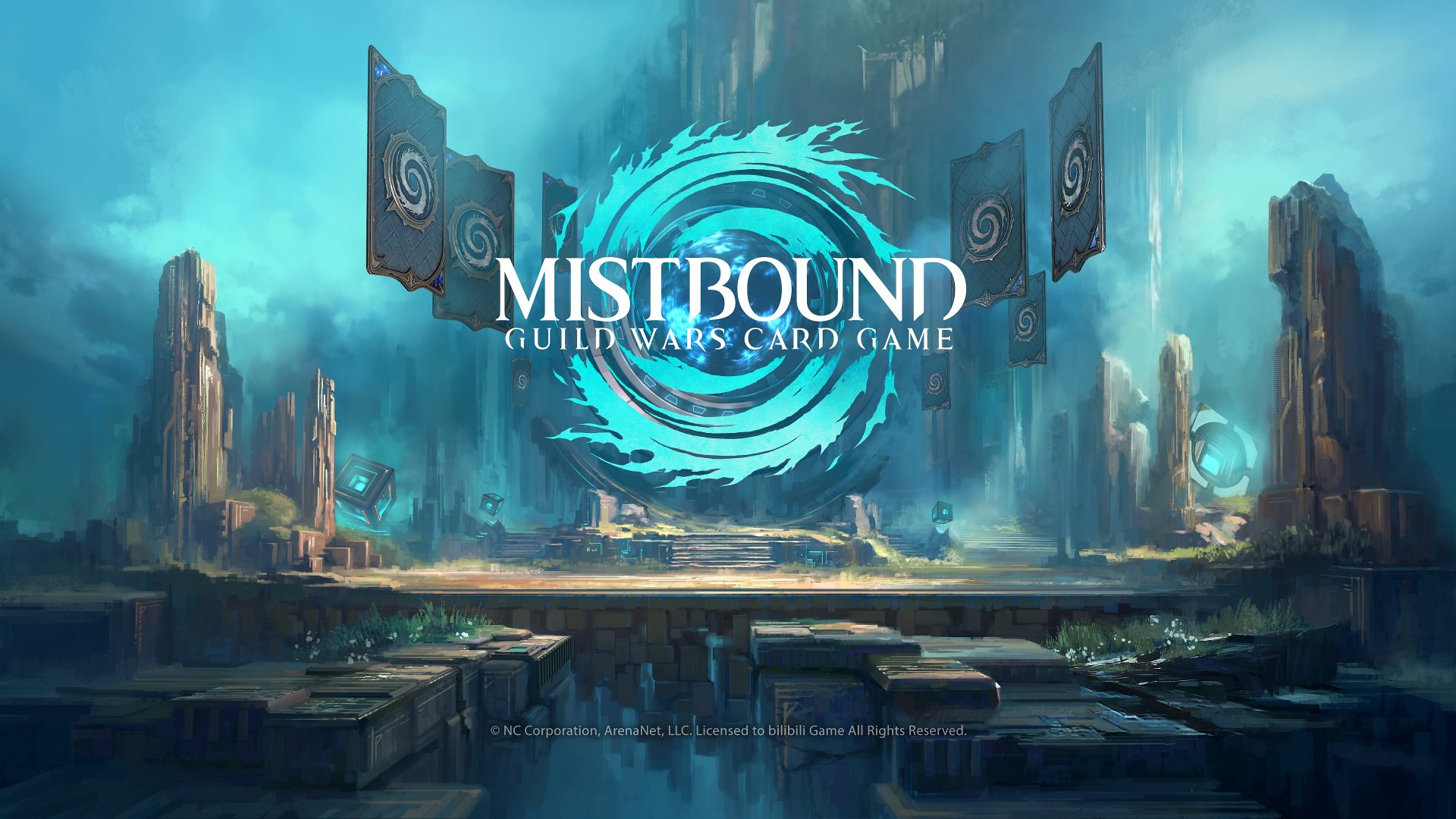
Mistbound, developed by ArenaNet, introduces a fresh approach to collectible card games (CCGs). Unlike conventional titles that prioritize quick plays and broad appeal, Mistbound demands precision. Players must navigate a grid system where positioning, terrain, and resource management become critical elements of strategy. This shift could redefine the genre for players willing to invest time in mastering its depth.
The game’s core mechanic revolves around a 5x3 grid that dictates movement, combat, and spellcasting. Each card plays a dual role: as a unit on the battlefield and as a resource in hand. This duality forces players to weigh immediate gains against long-term positioning, creating a level of tactical nuance rarely seen in mainstream CCGs. Benchmarks suggest Mistbound’s grid system delivers a 30% increase in strategic decision points per turn compared to traditional titles, though this comes at the cost of a steeper learning curve.
How It Compares
Mistbound isn’t the first game to experiment with grid-based strategy. Titles like Hearthstone and Magic: The Gathering Arena have refined accessibility, but Mistbound’s 5x3 layout introduces a new layer of spatial complexity. While established CCGs often rely on linear progression—where cards are played in sequence—Mistbound’s grid requires players to anticipate opponent moves and adapt dynamically. This means every turn feels like solving a small puzzle rather than following a scripted path.
For players accustomed to faster-paced games, Mistbound’s depth may feel overwhelming at first. However, the game’s design ensures that even casual players can engage without feeling lost. Tutorials focus on teaching grid mechanics through interactive challenges, and the game’s art style—rooted in ArenaNet’s signature fantasy aesthetic—reinforces immersion without sacrificing clarity.
Looking Ahead
The bigger question is whether Mistbound can sustain this balance between complexity and accessibility. If it succeeds, it could set a new standard for CCGs, where strategic depth isn’t just an option but a core expectation. For now, players are left to decide: is the effort worth the reward? The answer will likely determine how long Mistbound remains a niche experiment or becomes the next evolution of the genre.