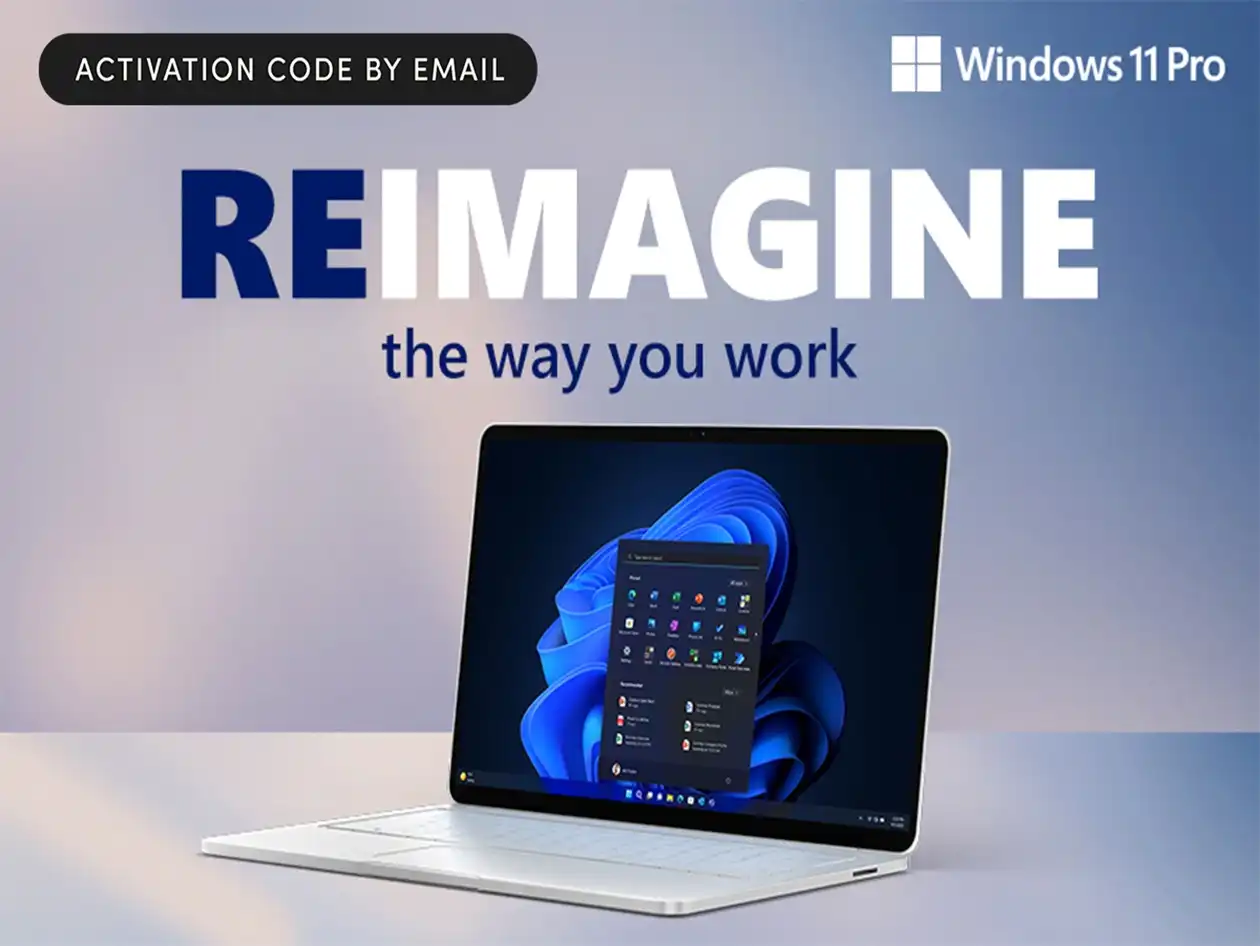
Every time Microsoft adjusts the price of an operating system, it sends ripples through the tech ecosystem—usually because something deeper is changing.
This week’s $10 drop for Windows 10 is no exception. The discount, available during a promotional period, cuts the cost from its usual $200 to a fraction of that price. But beneath the savings lies a question: Is this a one-time bargain, or does it hint at a broader strategy shift for Microsoft’s most established desktop platform?
Windows 10 has been the backbone of millions of PCs since 2015, but its future is no longer certain. The company has already stopped selling it in retail stores and shifted focus toward Windows 11. Now, with a steep price reduction, Microsoft may be trying to clear inventory while subtly nudging users toward newer versions—or away from Windows 10 altogether.
Performance and Compatibility: A Double-Edged Sword
The $10 price tag is undeniably attractive for budget-conscious buyers or those looking to refresh older hardware. However, the tradeoff isn’t just about cost—it’s also about compatibility risk. Windows 10 remains a powerhouse for productivity and gaming, but its lack of long-term support from Microsoft raises questions about security updates and driver stability in the coming years.
For enthusiasts, this deal could be an opportunity to build or upgrade a high-performance system without breaking the bank. The operating system still delivers strong performance-per-watt efficiency, making it a viable choice for mid-range builds where thermal management is a priority. However, those with newer hardware may find themselves in a compatibility gray area if Microsoft continues to deprioritize support.
Everyday users, on the other hand, might see this as a last-chance offer rather than a long-term investment. If security patches become sporadic or hardware manufacturers stop releasing drivers for Windows 10, the savings could quickly turn into a technical liability. The $10 price is a stark contrast to Windows 11’s more premium positioning, suggesting Microsoft may be trying to reduce the barrier for users who still rely on older software.
Where does this leave buyers? For now, the deal is a clear win for those with legacy hardware or strict budget constraints. But as Microsoft tightens its focus on Windows 11 and beyond, the window for Windows 10 may close sooner than expected. The $10 price could be an invitation to act fast—or a signal that the end of the line is already in sight.