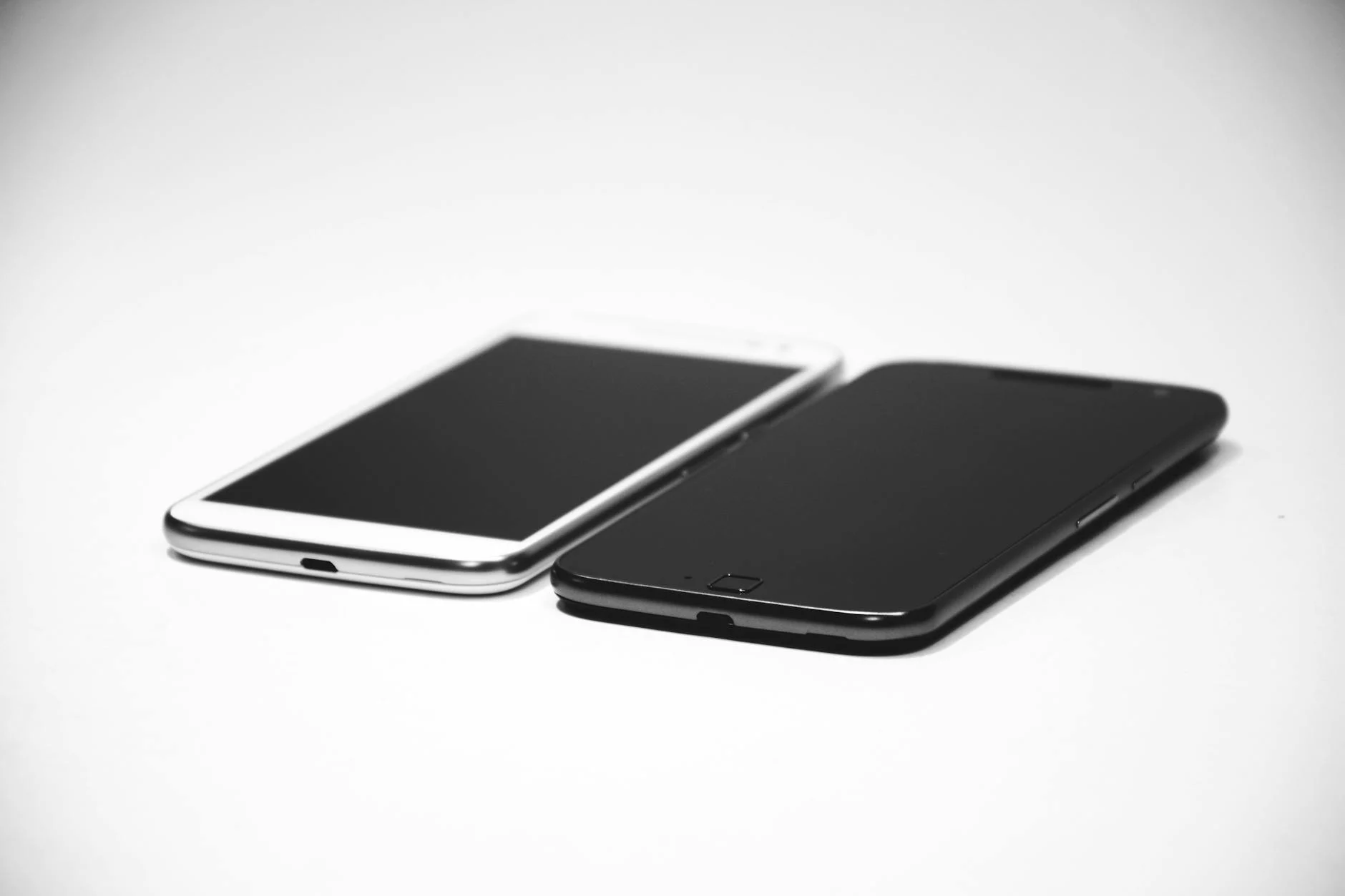
The Motorola Signature is a phone that divides opinion from the moment you consider its specifications. On one hand, it delivers what appears to be a powerful package: a Snapdragon 8 Gen 5 chipset under the hood, coupled with a triple-camera setup featuring a 50MP sensor. On the other, it raises questions about real-world performance and practicality—particularly around battery longevity in a device with a 6.8-inch display paired to just a 200mAh battery.
These tensions are mirrored in user sentiment, where enthusiasm for Motorola’s design ambition clashes with cautious expectations. A significant portion of potential buyers are holding off until they see independent reviews, while others are waiting for the inevitable price reductions that typically follow launches—especially in regions like the U.S., where Motorola operates outside the dominant ecosystem.
Launch timing adds another layer of complexity. While India is set to see an official debut on January 23 with pricing already leaked, much of the world remains in a state of uncertainty. Europe, for instance, is slated for release but lacks confirmed dates or distribution channels. This leaves a gap between hype and accessibility that could determine whether the Signature becomes a niche success or another case study in overpromising hardware.
For administrators managing deployments—whether in enterprise fleets or developer environments—the Signature’s appeal lies less in its consumer appeal and more in its technical foundation. The Snapdragon 8 Gen 5 chipset, for example, is built on a 4nm process, offering strong performance-per-watt efficiency that could translate to lower thermal throttling in sustained workloads. However, the lack of an Elite variant means certain high-end features—like advanced AI acceleration or extended battery life—are absent, which may limit its utility in long-duration tasks.
Battery capacity is a critical pain point. A 200mAh cell in a phone with a large display and modern software stack risks frequent charging cycles, a concern that grows when paired with the lack of wired charging options in some regions. Admins should weigh this against the chipset’s efficiency; while the processor itself may not be the bottleneck, sustained productivity sessions could still be constrained by power delivery.
Availability is another administrative hurdle. If the Signature follows Motorola’s past patterns, initial stocks will likely be limited to select markets, with broader rollouts coming months later. This means IT teams must plan for staggered deployments or risk being locked out of early access—especially in regions where Motorola’s distribution network is sparse.
Pricing at €1,000 for the base model is steep, particularly when compared to competitors that often bundle more storage or software perks. While discounts are expected down the line, the upfront cost could deter organizations with tight budget cycles. The question for admins isn’t just whether the hardware meets technical needs, but whether the long-term value justifies the initial investment—especially in a market where alternatives like the Moto Edge and Razr series have already proven their staying power.
For now, the Signature remains a high-risk proposition. Its potential is undeniable, but execution—from battery life to global reach—will decide whether it carves out a lasting niche or fades into another ‘almost there’ story in Motorola’s lineup.