AGI's latest memory and storage solutions represent a significant leap forward in performance, but their real-world impact will depend on how well they balance cutting-edge specifications with practical usability.
The company's DDR5 RDIMM modules, codenamed RD238, adhere to JEDEC standards and come in 64 GB and 32 GB configurations. These modules support speeds of DDR5-6400 and DDR5-5600, making them suitable for both mainstream and high-end desktop platforms. Complementing these are the CA238 dual-channel CAMM2 modules, which offer capacities of 32 GB and 64 GB, designed for systems where space is a premium but performance is not.
For portable applications, AGI's LC238 LPCAMM2 modules bring low-power DDR5 performance with speeds of LPDDR5-6400 and LPDDR5-7200. These are tailored for devices where power efficiency is critical, such as AI edge computing and high-performance mobile platforms.
On the storage front, AGI's ED368 portable SSD leverages a 40 Gbps USB4 interface to deliver sequential read speeds of up to 3.8 GB/s and write speeds of 3.6 GB/s. Available in capacities of 1 TB, 2 TB, and 4 TB, this drive is ideal for professionals who require both speed and portability. The ED268 portable SSD, on the other hand, uses a 20 Gbps USB 3.2 Gen 2x2 interface, offering sequential read speeds of up to 2 GB/s with a 1 TB capacity.
AGI's AI858 M.2 NVMe Gen 5 SSD stands out with sequential read speeds of up to 14 GB/s, thanks to its DRAM cache-equipped controller. This drive is designed for high-end workstations and data center applications where performance is non-negotiable. The AI828, a more mainstream M.2 NVMe Gen 4 SSD, offers up to 7.4 GB/s sequential reads with a DRAMless controller, providing a cost-effective alternative without significant speed compromises.
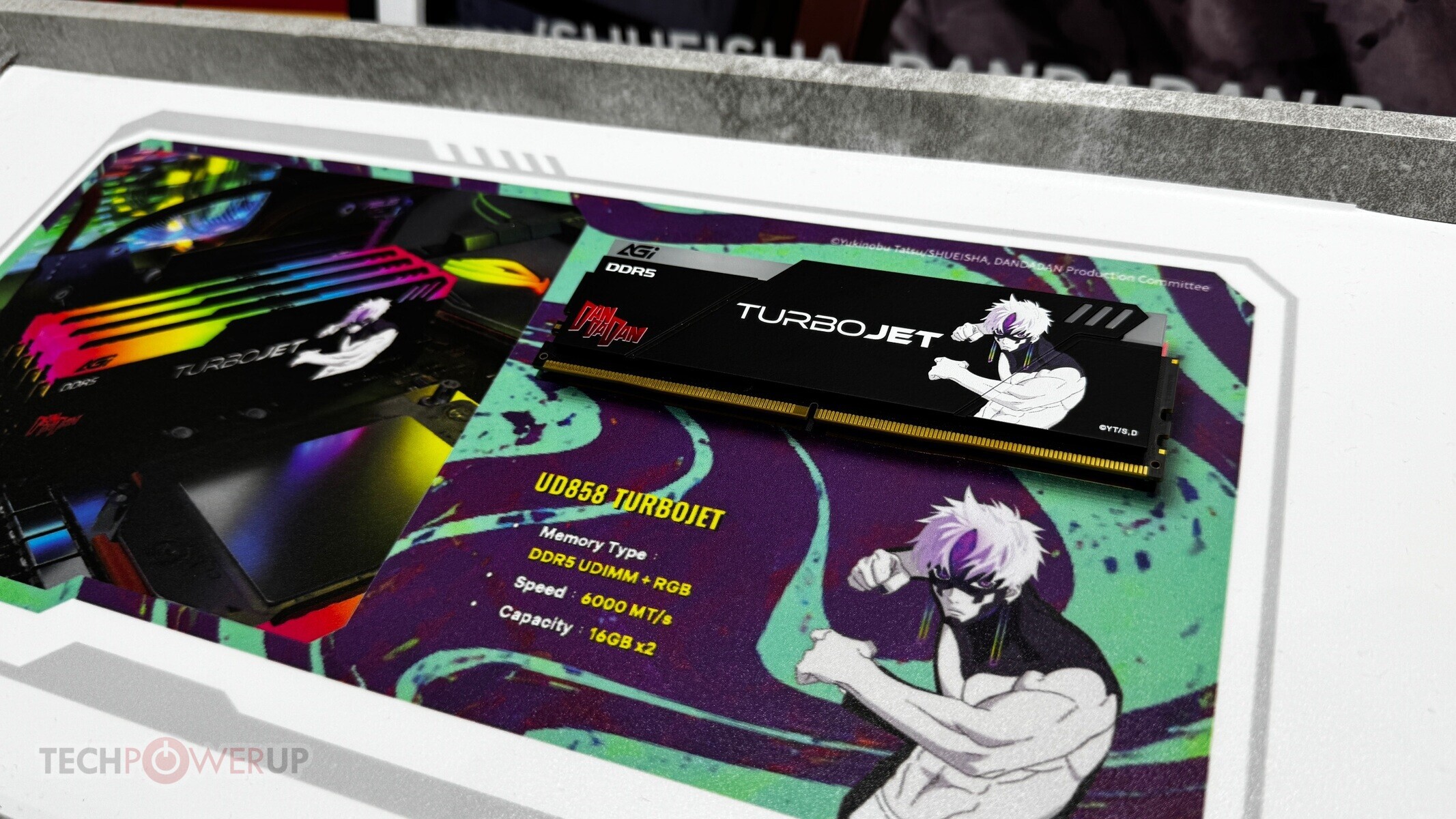
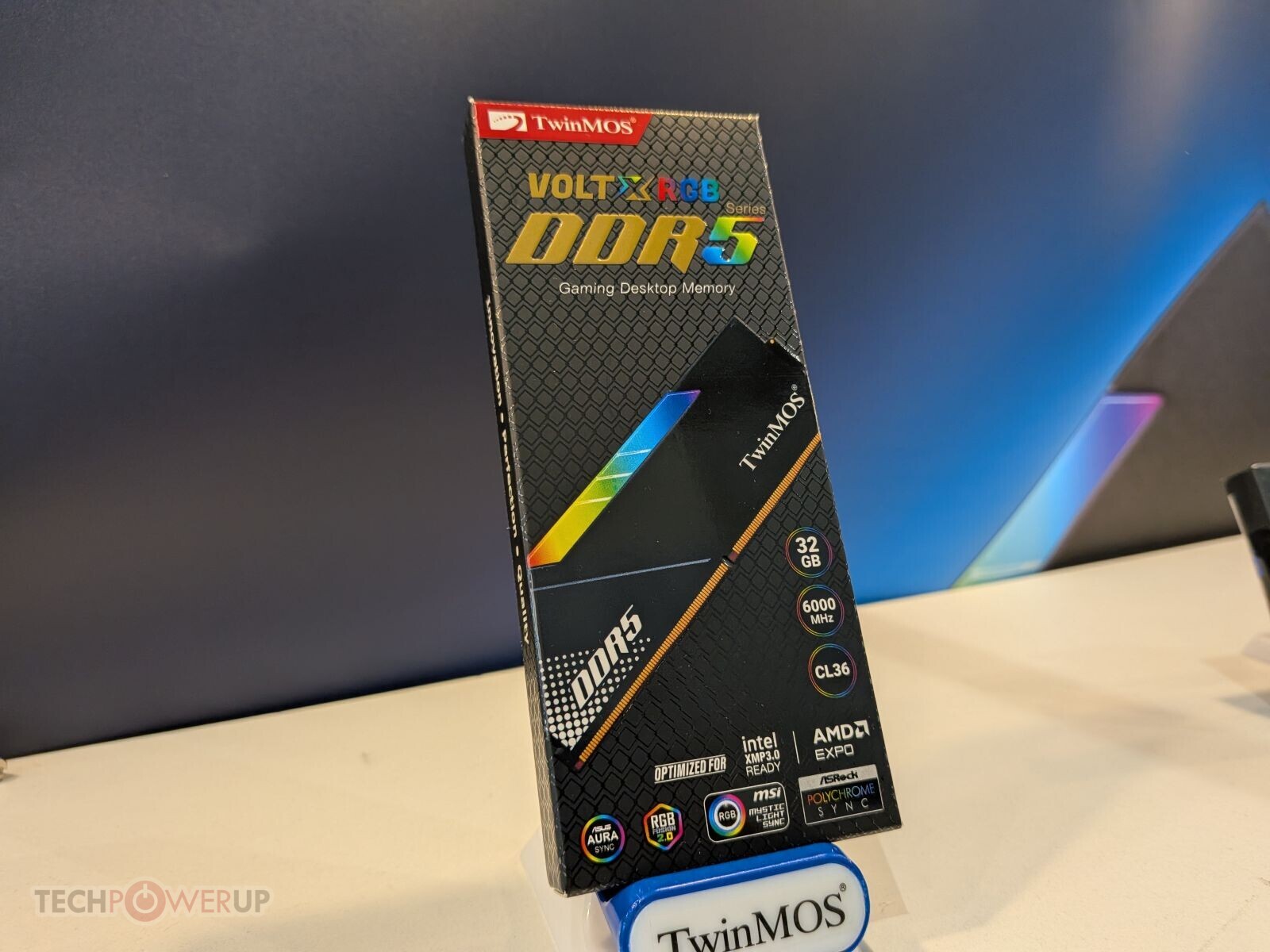
For gaming enthusiasts, AGI's UD858 Turbojet DDR5 memory kit features RGB lighting and is available in dual-channel 16 GB kits at DDR5-6000 speeds. A high-speed variant, codenamed Dan Da Dan, was demonstrated with DDR5-10000 speeds, though its practicality outside of specialized testing environments remains uncertain.
While AGI's offerings are technically impressive, their real-world impact will hinge on adoption rates and price points. The DDR5-10000 module, for example, pushes the boundaries of raw performance but may struggle to justify its place in consumer or even enthusiast systems due to power consumption and cooling demands.
For buyers looking to future-proof their setups, AGI's products present compelling options. The DDR5 RDIMM and CAMM2 modules are well-suited for AI workloads, while the NVMe Gen 5 SSD could redefine storage performance in high-end systems. However, the practical benefits of these components will only be fully realized if they deliver on their promises without sacrificing stability or efficiency.
Availability details for AGI's new products have not been confirmed, but industry trends suggest these solutions will target enterprise and high-performance computing segments first. For now, buyers should weigh the potential against the unknowns, ensuring that the specs translate to real-world gains before making long-term investments.