Google has announced a substantial shift in its artificial intelligence compute strategy, moving away from a mixed GPU approach that has been the backbone of its data center operations. This transition, which includes a new contract with SpaceX, signals a departure from the fragmented hardware ecosystem that has characterized AI development in recent years.
The new arrangement, valued at $920 million per month, represents one of the largest dedicated compute contracts in the tech industry. It follows closely on the heels of other major players—such as Anthropic and xAI—reassessing their own hardware dependencies. For small businesses and startups that depend on cloud AI services, this shift could introduce compatibility risks if not managed carefully.
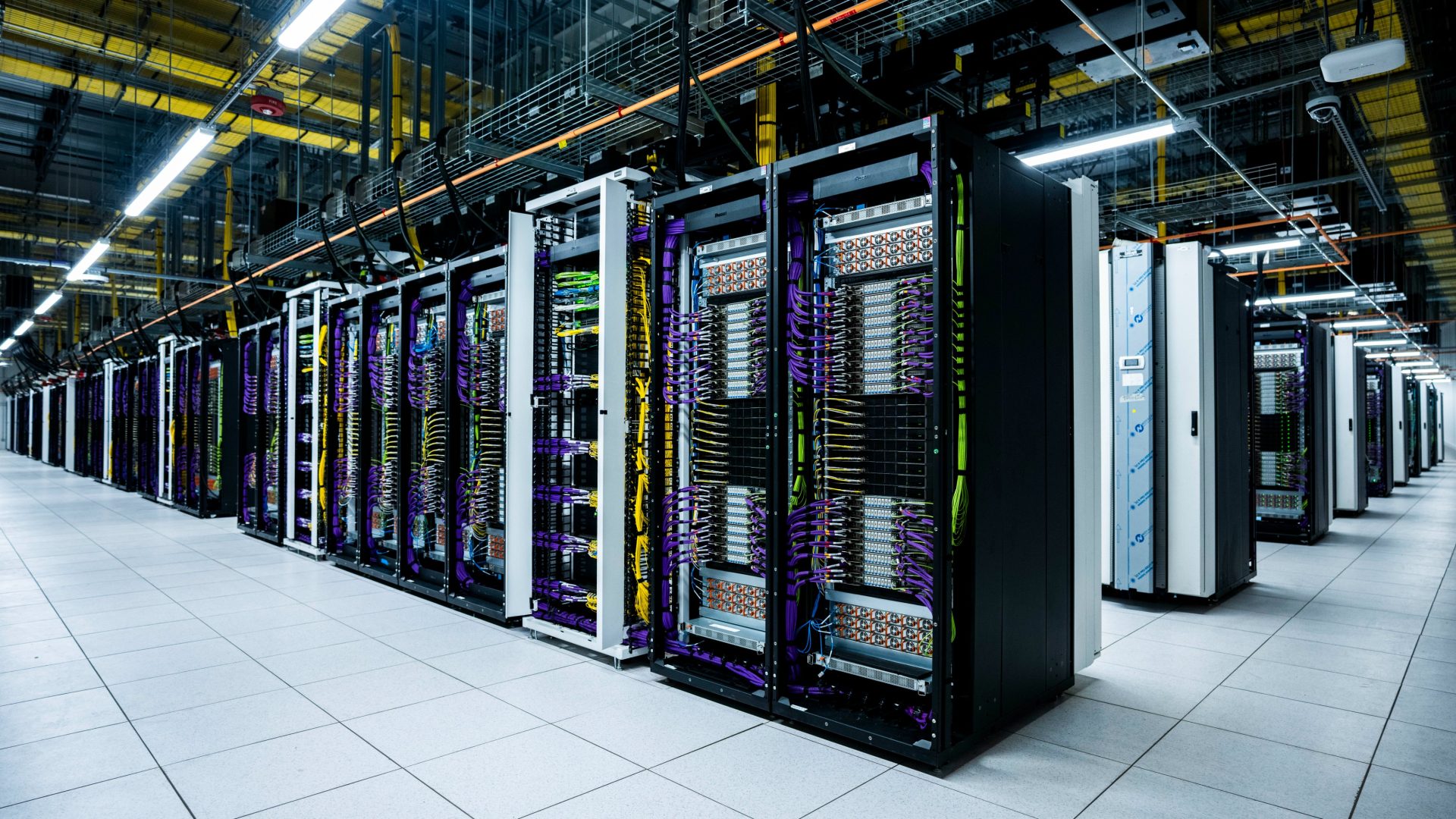
The move is part of a broader trend in which companies are consolidating around fewer, more specialized hardware providers to streamline performance and reduce complexity. While Google has not disclosed the full extent of the changes, industry observers note that the transition away from a mixed GPU setup suggests a push toward more unified and potentially more efficient architectures.
Key Specifications and Implications
- Compute Contract: $920 million per month, one of the largest in the industry.
- Architecture Shift: Transition from a mixed GPU setup to a more unified approach, likely reducing hardware fragmentation.
- Industry Impact: Potential ripple effects for smaller businesses relying on compatible AI infrastructure, with risks of compatibility issues if not adapted proactively.
The new contract with SpaceX implies a deeper integration between cloud computing and satellite-based data processing capabilities. While the specifics are still emerging, this could set a precedent for how future AI workloads are distributed across hybrid cloud-satellite environments. For small businesses, this means staying attuned to changes in hardware compatibility and vendor relationships to avoid being caught off-guard.
On the surface, the shift promises improved efficiency and performance. However, the trade-off may come in the form of reduced flexibility for smaller players who rely on a diverse ecosystem of GPUs. If Google’s new architecture becomes the de facto standard, businesses that have built workflows around other hardware may face integration challenges or increased costs to adapt.
Looking ahead, the industry appears to be moving toward more specialized, high-performance compute solutions tailored for AI. While this could benefit large-scale deployments, smaller businesses will need to weigh the long-term advantages against potential compatibility risks. The question remains: how quickly can the market adjust without leaving behind those who depend on a more fragmented but flexible hardware landscape?