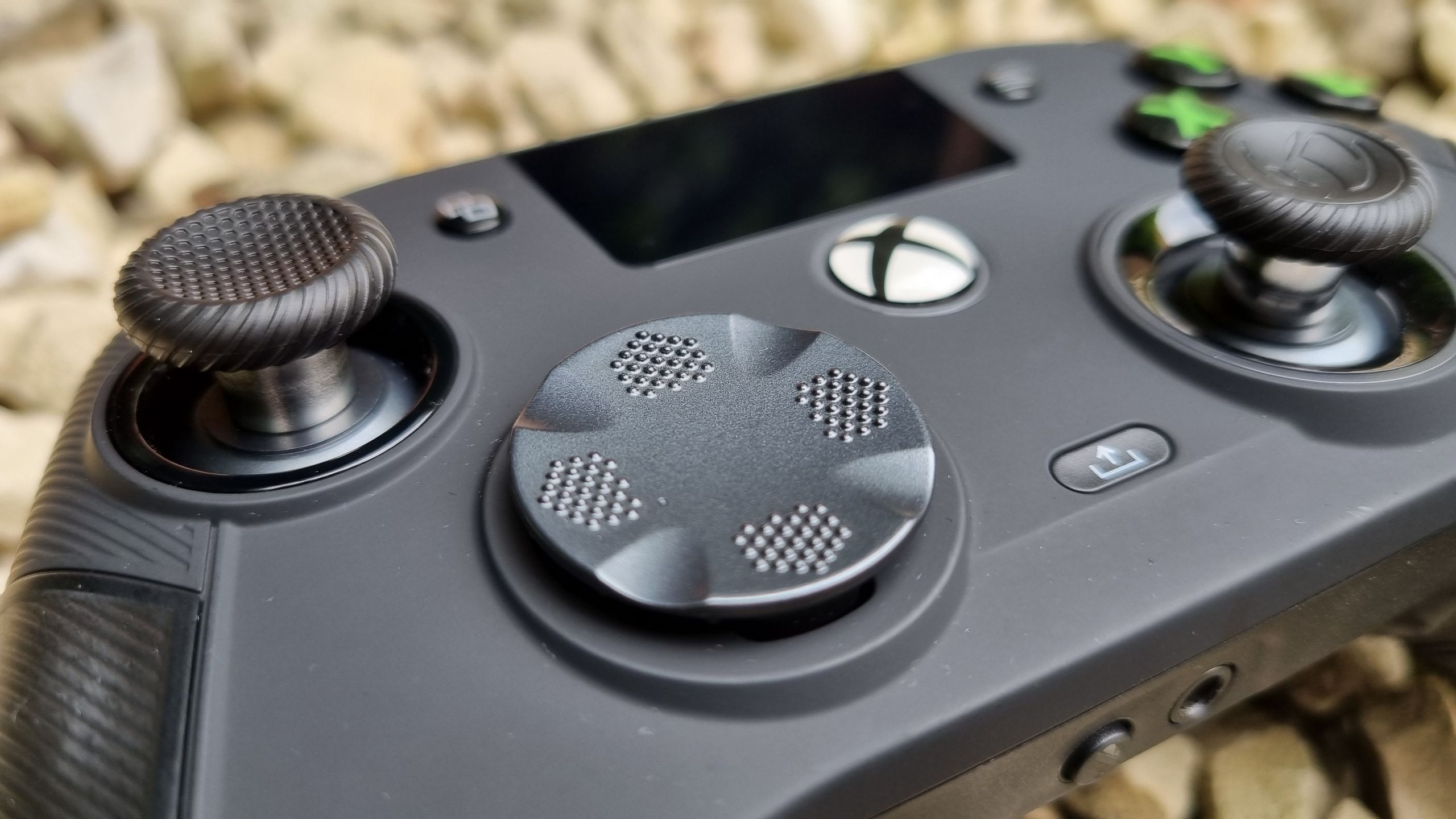
Nacon’s hardware division has long been a double-edged sword: ambitious designs that sometimes outpaced execution. The Revosim RS, for instance, introduced a direct-drive racing wheel with smartphone integration—a feature-rich concept that reviewers praised but deemed premature, given its underdeveloped software and stiff competition from established brands like Thrustmaster and Logitech. Meanwhile, the Revolution X controllers, marketed as modular and wireless, suffered from inconsistent build quality, with some units arriving with loose screws or uneven weight distribution. These missteps weren’t isolated; the Rig 900 Max HS headset, though technically competent, lacked the premium feel of competitors like SteelSeries or HyperX, while the Rig M2 Streamstar microphone failed to stand out in a crowded field dominated by Elgato and Rode.
The insolvency filing complicates an already fragile ecosystem. Nacon’s hardware lineup was built on a foundation of affordability and innovation, but its financial instability risks leaving customers stranded. The company’s racing products, in particular, faced criticism for being overpriced for their performance—an issue that could worsen if production halts. Even its more successful ventures, like the Revosim series, may stall without immediate funding or a buyer.
Beyond Hardware: The Publishing Arm’s Uncertain Role
Nacon’s game publishing division has fared better, with titles like Forza Horizon 5 (as a publisher) and its own Trackmania series maintaining a loyal fanbase. Yet even this stability may not be enough to offset the hardware division’s losses. If assets are liquidated, the company’s IP—including racing tech and controller designs—could end up in the hands of competitors or disappear entirely. The Trackmania franchise, a cult favorite in competitive racing circles, might see development slow or shift hands, leaving its community in limbo.
What This Means for Gamers and Developers
The immediate impact will be felt in retail and online stores, where Nacon’s products may vanish from shelves or become harder to find. For developers, the loss of a hardware partner could mean fewer pre-installed peripherals in bundles or delayed integrations for new games. The Revosim wheel’s smartphone connectivity, for example, was a rare experiment in blending gaming and mobile tech—one that might now remain unfinished. Meanwhile, streamers and content creators relying on Nacon’s microphones and headsets could face supply shortages or be forced to switch brands abruptly.
Creditors are now evaluating which parts of Nacon’s operations can be salvaged. The hardware division, while innovative, has struggled to match the reliability of industry leaders, making it a less attractive asset. If no buyer emerges, the company’s catalog of products—from racing wheels to controllers—could be discontinued, leaving a gap in the market for niche but passionate gaming communities.
The bigger question is whether Nacon’s insolvency signals a broader trend. As gaming hardware grows more competitive, smaller players with bold but unproven designs may find it harder to survive. For now, enthusiasts are left watching closely: Will Nacon’s products fade away, or will a restructuring effort breathe new life into its hardware ambitions?