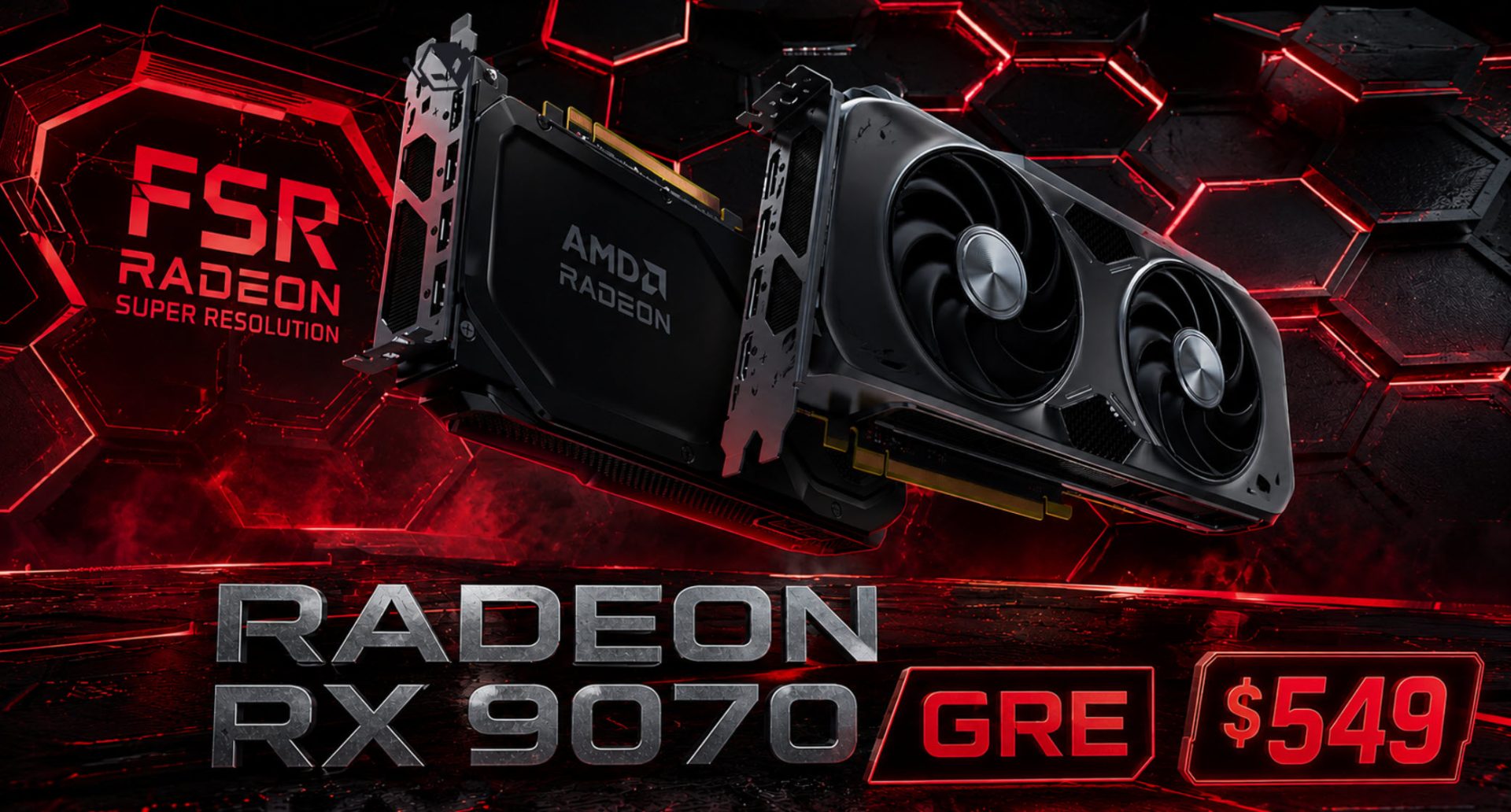
AMD's entry into the RDNA 4 era with the Radeon RX 9070 GRE is more than a incremental upgrade—it’s a calculated move to capture mid-range market share while maintaining compatibility with established platforms. The GPU, priced at $549, doesn’t just improve on its predecessor; it redefines what users can expect from a mid-tier graphics card in terms of performance-per-watt efficiency.
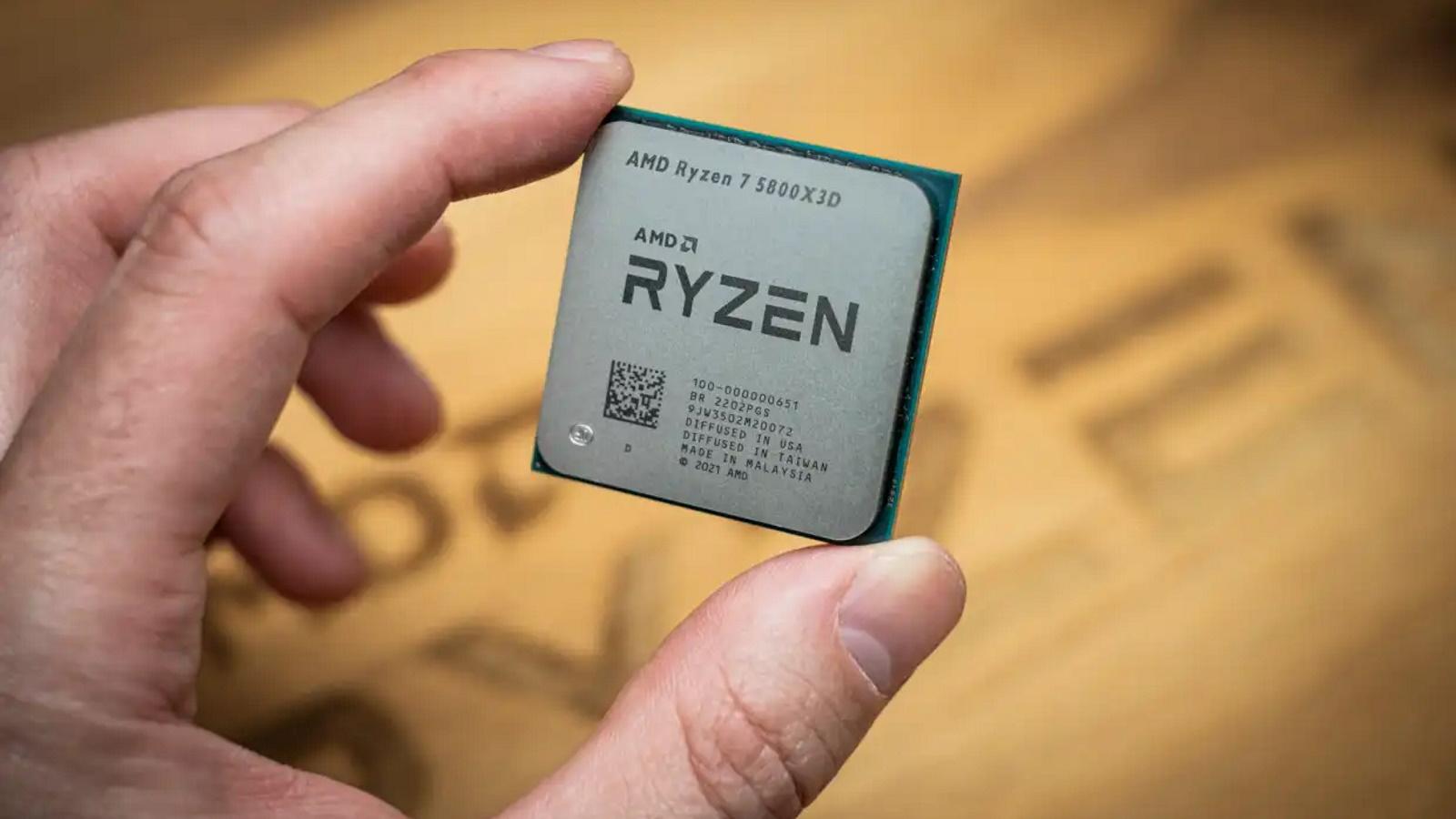
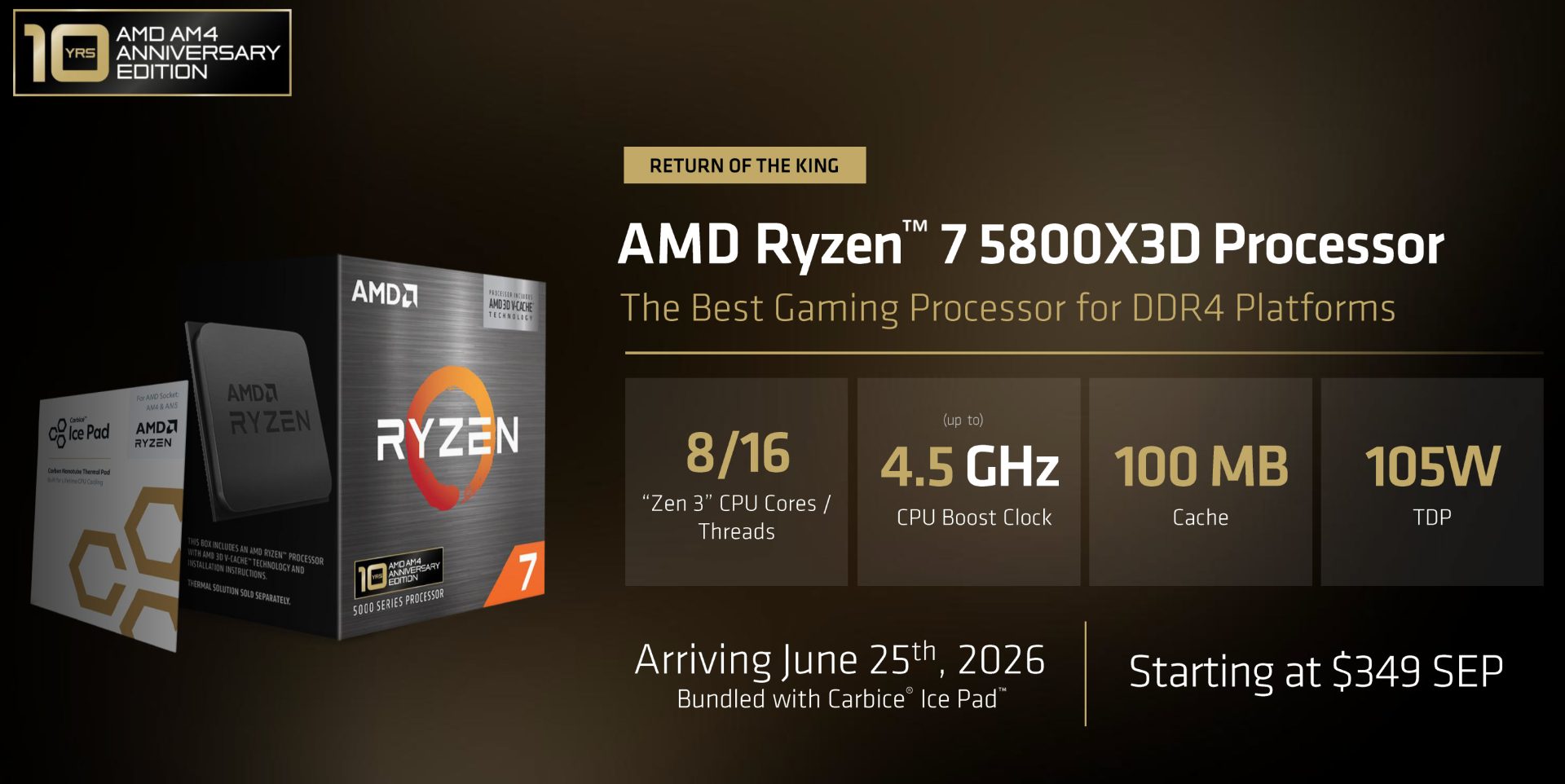
Unlike high-end GPUs that often require newer motherboard standards or sacrifice platform flexibility, the RX 9070 GRE retains support for older systems like AM4 and B550 through a BIOS update. This is a deliberate strategy to reduce user friction during upgrades, allowing those with legacy hardware to benefit from RDNA 4 without forced system refreshes.
Performance and Market Positioning
The RX 9070 GRE’s performance metrics tell a story of balance. It delivers up to 22% more performance than the RX 5060 Ti, but its true value lies in how it leverages RDNA 4’s efficiency. The 12 GB GDDR6 memory configuration is a standout, catering to users who need robust VRAM for ray tracing or high-resolution workloads without stepping into the premium GPU segment.
- Architecture: RDNA 4 (12th generation)
- Compute Units: 48 (2,304 stream processors)
- Memory: 12 GB GDDR6, 192-bit bus
- Clock Speeds: Boost up to 2.5 GHz (base clock unspecified)
- Performance: Up to 22% faster than RX 5060 Ti in targeted workloads
- Platform Support: PCIe 4.0, AM4/B550 compatibility with BIOS update
- Power Consumption: 180W TDP (typical)
- Price: $549 (MSRP)
The GPU’s 192-bit memory bus is narrower than some competitors, but RDNA 4’s architecture compensates by optimizing bandwidth utilization. This means users get more effective memory performance without the need for a wider bus, which could translate to cost savings in manufacturing.
What This Means for Users and Competitors
The RX 9070 GRE isn’t just about raw numbers—it’s about redefining value in the mid-range GPU market. For users, this means a card that can handle 1080p gaming with ease and even dip into 1440p workloads under optimal settings. However, those chasing high-refresh-rate 1440p or 4K performance will likely need to look toward higher-end options.
For competitors like NVIDIA, this is a reminder that AMD isn’t just playing catch-up; it’s setting its own benchmarks for efficiency and platform flexibility. The RX 9070 GRE could pressure NVIDIA to refine its mid-range offerings further, especially in terms of compatibility and power consumption.
Availability remains unconfirmed, but with a price point of $549, the RX 9070 GRE is poised to carve out a niche where users prioritize performance-per-dollar over absolute top-tier specs. If AMD’s past release patterns hold, expect this GPU to hit shelves in the coming weeks, though no exact timeline has been provided.
The bigger question is whether this will be the start of a broader RDNA 4 push into mid-range markets or just a single product. One thing is clear: AMD is betting that efficiency and compatibility will win over users who are tired of platform lock-in and premium pricing for incremental gains.