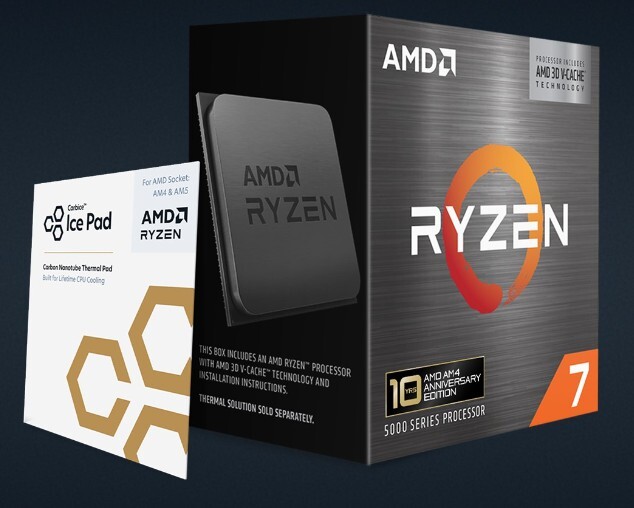
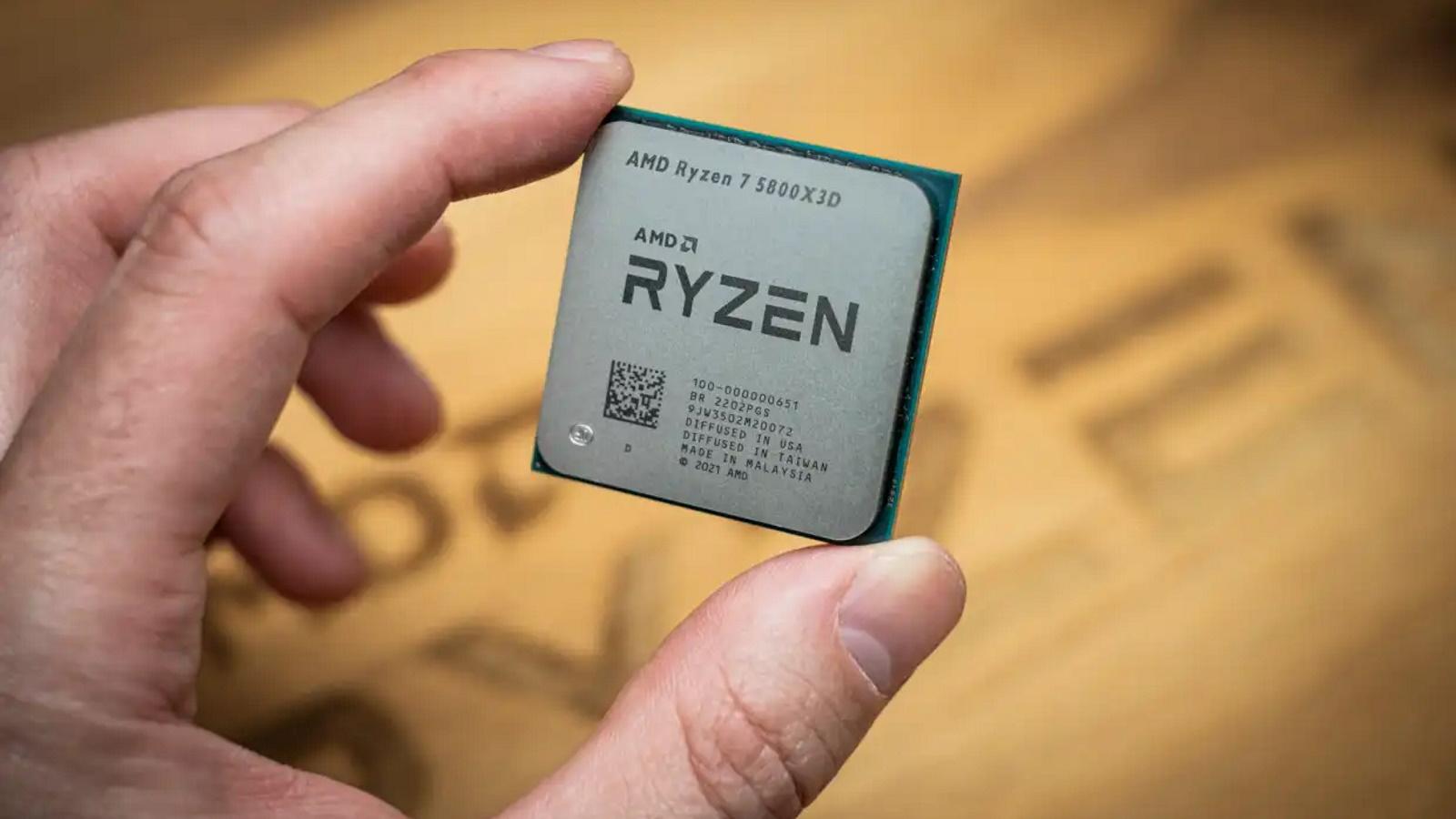
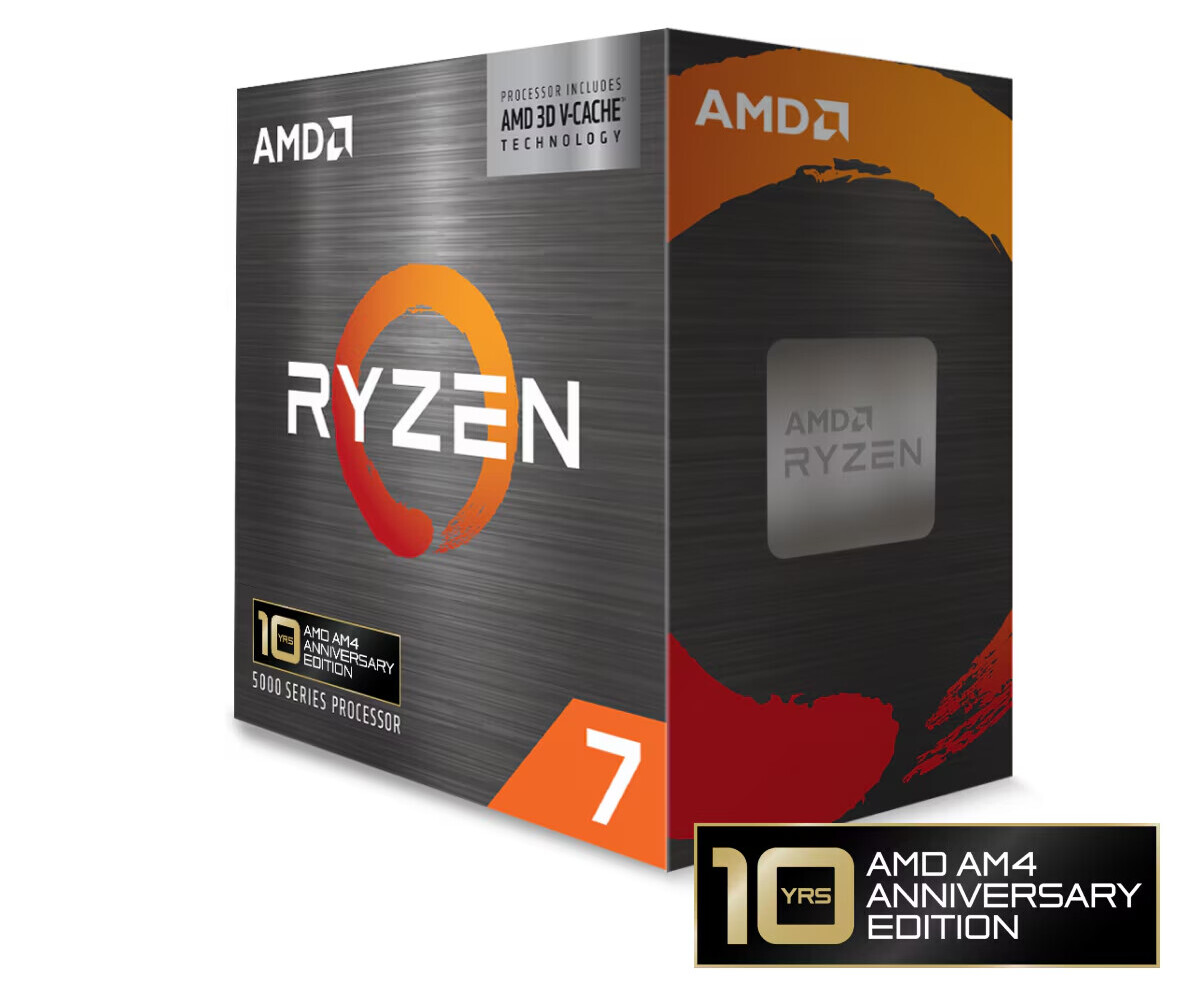
The Ryzen 7 5800X3D is not just another CPU—it’s a calculated bet on the future of AM4. Ten years after AMD first launched its AM4 socket, the company has returned with a processor that marries a familiar platform to a radical architecture: 96MB of stacked L3 cache, designed to slash latency in high-bandwidth workloads. The move is risky. While the 5800X3D’s performance on paper is undeniable—boost clocks that outpace even newer AM5 chips—the practical implications for power consumption, thermal management, and long-term upgrade paths are still largely theoretical.
At its core, this CPU is a test of whether AMD can extend the lifespan of an aging platform without sacrificing real-world performance. The 3D V-Cache technology, borrowed from last year’s Ryzen 9 5950X and 5900X, promises to deliver frame rates that rival modern 12-core processors, but doing so on a chip built for a socket introduced in 2017 introduces new variables. The AM4 platform was never designed for such high cache densities or the thermal demands of stacked dies. Whether this tradeoff pays off depends less on raw specs and more on how well AMD has addressed the engineering challenges that come with retrofitting cutting-edge features to legacy hardware.
At a glance
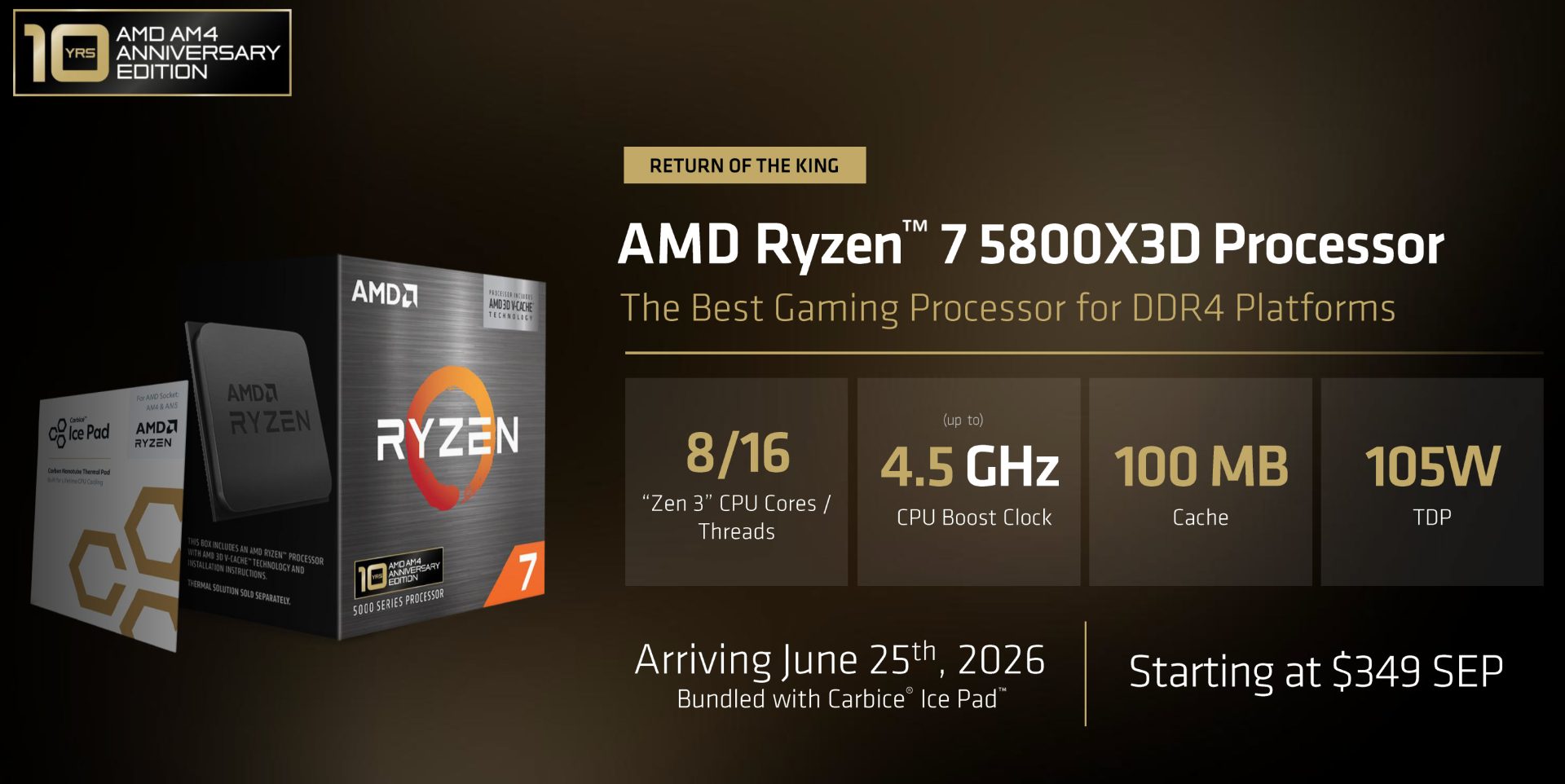
- Core/Thread: 8 cores / 16 threads (Zen 3)
- Cache: 96MB L3 (3D V-Cache), 4MB L2
- Clock speeds: Base: 3.4 GHz, Boost: up to 4.5 GHz
- TDP: 105W (junction temp may vary)
- Memory support: Dual-channel DDR4-3200 (EXPO certified)
- Thermals: Premium thermal pad included, no stock cooler
- Price: $349 (MSRP)
The 5800X3D’s most striking feature is its cache configuration. Traditional CPUs spread L3 cache across a single die; the 5800X3D stacks an additional 32MB of cache vertically, reducing latency by up to 40% in some workloads. The result? Benchmarks suggest it could outperform even the Ryzen 9 5950X in gaming, where low-latency memory access is critical. But this also means the CPU runs hotter and draws more power than its non-3D counterparts. AMD includes a premium thermal pad to mitigate heat, but whether that’s enough for sustained 1080p or 1440p gaming sessions remains an open question.
Legacy meets innovation
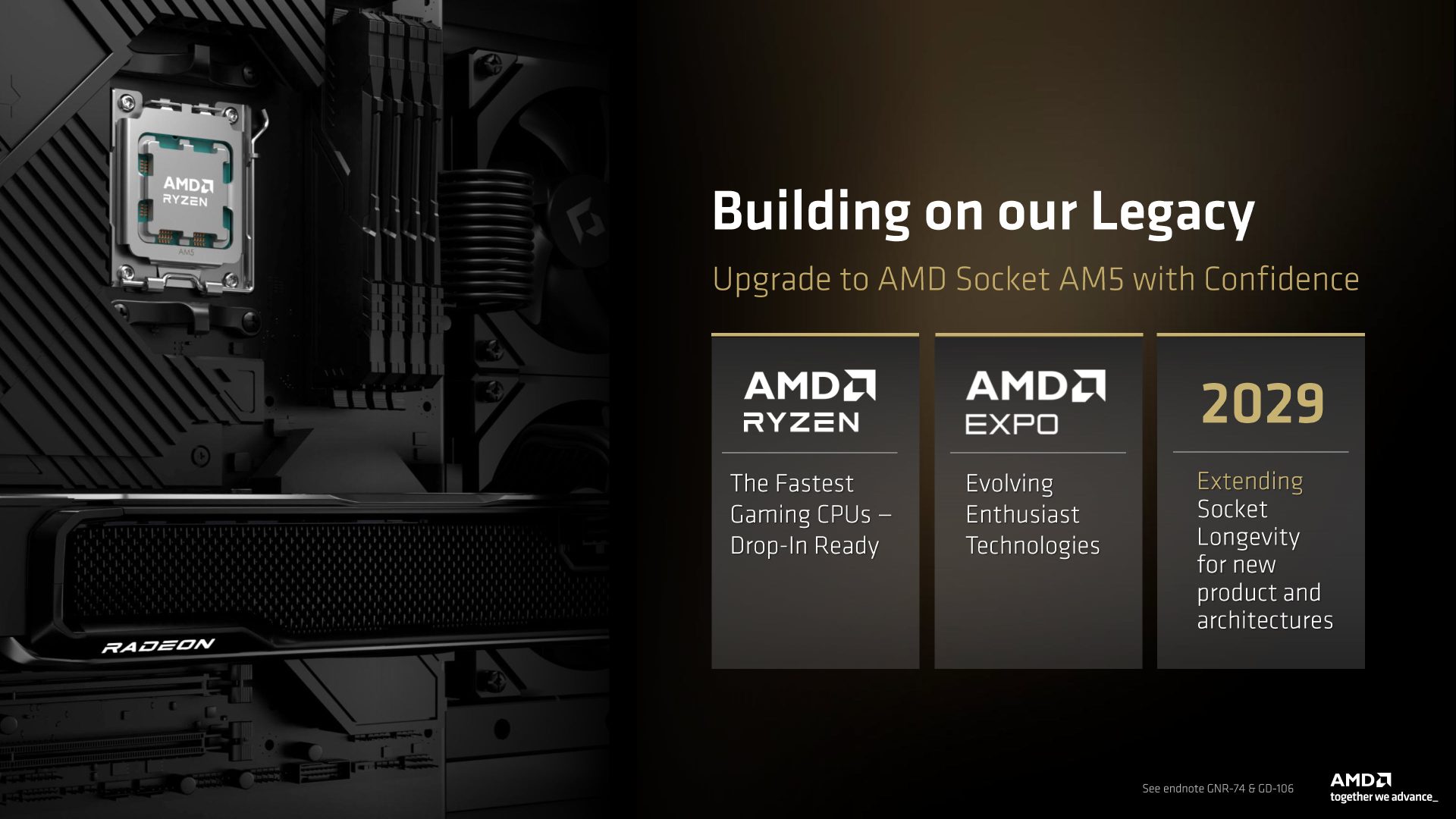
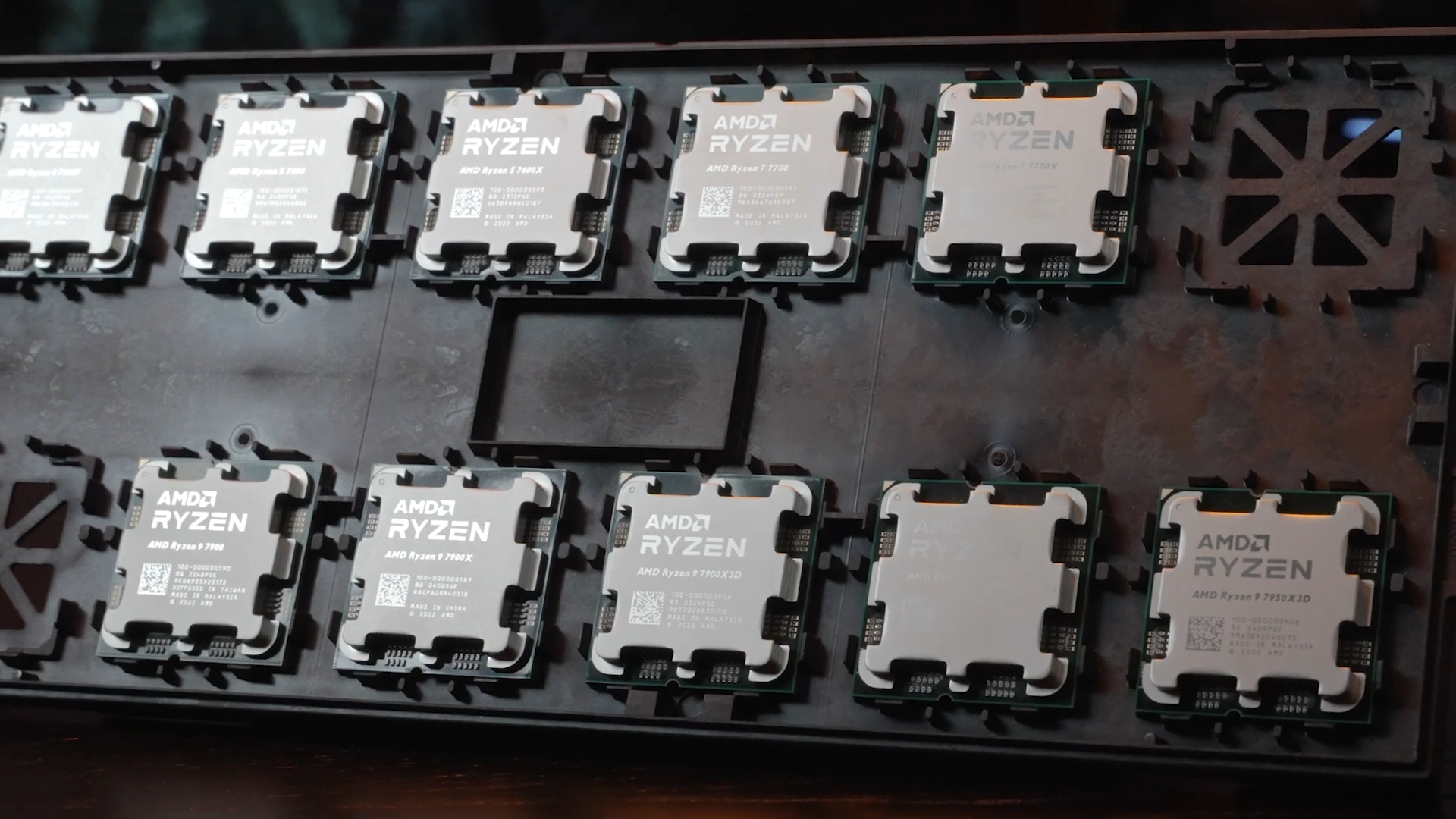
The AM4 platform itself is a relic of the Zen+ era. Introduced in 2017, it was designed for Zen and Zen+ CPUs with up to 8 cores. The Ryzen 5000 series (Zen 3) stretched that limit, but the socket’s physical constraints—particularly its limited PCIe lanes and lack of support for newer memory standards like DDR5—have always been a point of contention. The 5800X3D doesn’t change those fundamentals; it simply layers on top of them. For users who’ve already invested in AM4 motherboards, this could be a compelling upgrade path. For those still on the fence, the lack of PCIe 5.0 or DDR5 support means the platform’s roadmap is effectively dead-ended.
Where the 5800X3D shines is in its raw performance potential. The 3D V-Cache isn’t just a marketing gimmick; it’s a tangible improvement for latency-sensitive tasks, whether that’s gaming at high refresh rates or rendering complex scenes. But the real-world impact hinges on two factors: how well AMD has optimized power delivery to sustain those boost clocks, and whether third-party coolers can keep junction temperatures in check during prolonged sessions. Early reviews suggest thermal throttling could be an issue, but without long-term testing, it’s hard to say definitively.
Who is this for?
The 5800X3D isn’t a one-size-fits-all solution. It targets enthusiasts who prioritize gaming performance over future-proofing and those who are already deep in the AM4 ecosystem, whether through motherboard investments or compatibility with existing builds. For IT teams evaluating workstations, the lack of ECC support and limited upgrade paths makes it a non-starter. Similarly, content creators working on multi-threaded workloads may find better value in newer AM5-based chips, which offer more cores, higher clock speeds, and native support for DDR5.
That said, for gamers who max out 1080p or push 1440p resolutions, the 5800X3D could be a game-changer—if it delivers on its promise without overheating. The $349 price tag is aggressive, but whether that’s sustainable depends on how long AMD can keep production yields stable and competition from Intel (and its own newer platforms) at bay.
The Ryzen 7 5800X3D is a double-edged sword: it extends the life of AM4 with a feature that could redefine high-end gaming performance, but it does so without addressing the platform’s inherent limitations. Whether that gamble pays off remains to be seen.