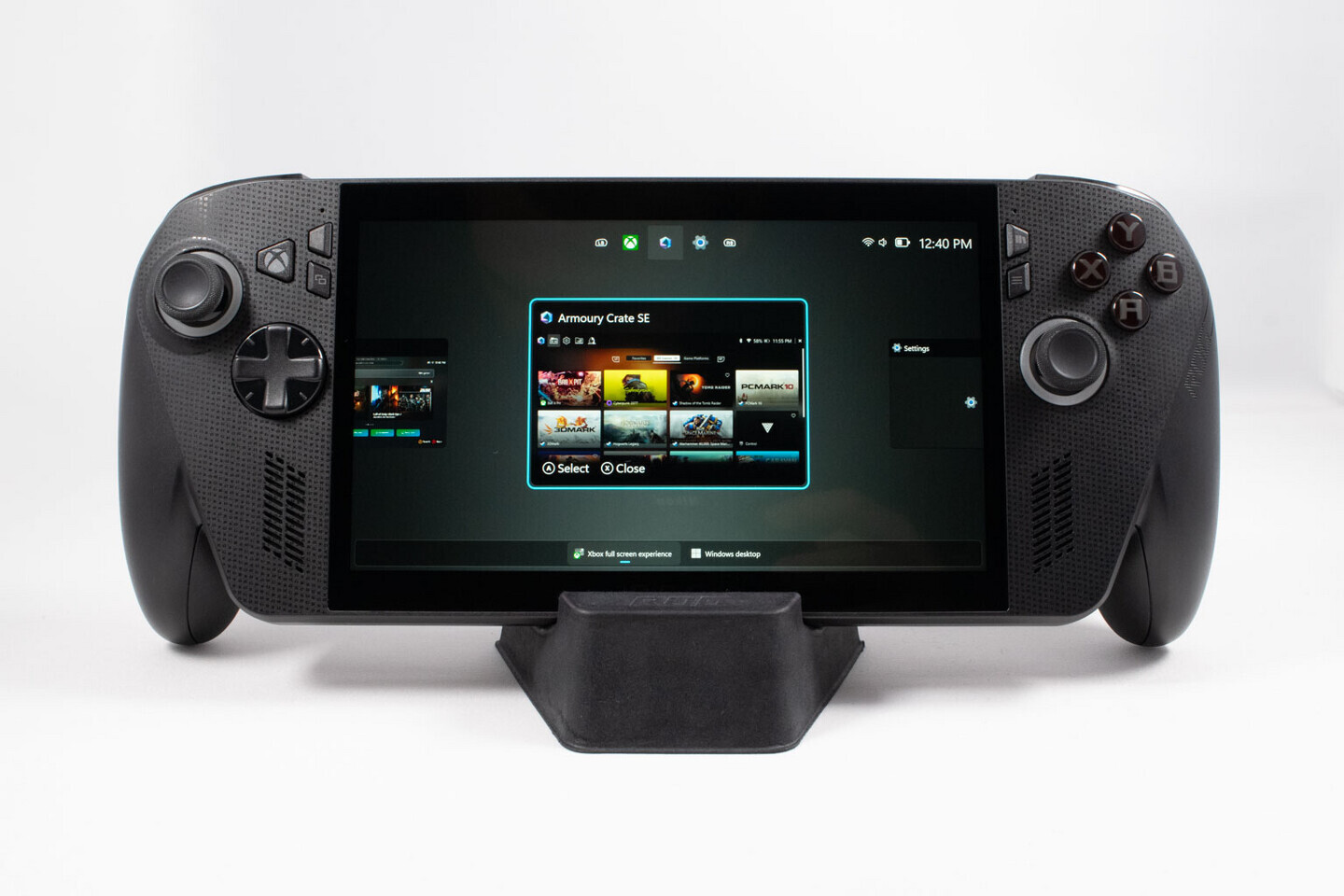
The Nintendo Switch 2’s hardware upgrade marks a turning point in portable gaming performance, one that could redefine how developers approach workloads like Crimson Desert. Unlike its predecessor, the Switch 2 introduces a more powerful CPU-GPU combination—though whether it can sustain 30 FPS with DLSS-like upscaling remains an open question.
At the core of this shift is a more efficient architecture designed to balance raw power with battery life. The new GPU, while not as high-end as console or PC counterparts, appears to leverage techniques similar to NVIDIA’s DLSS. This suggests Nintendo is prioritizing performance scaling over pure resolution, a strategic move that could influence how future games are optimized for the platform.
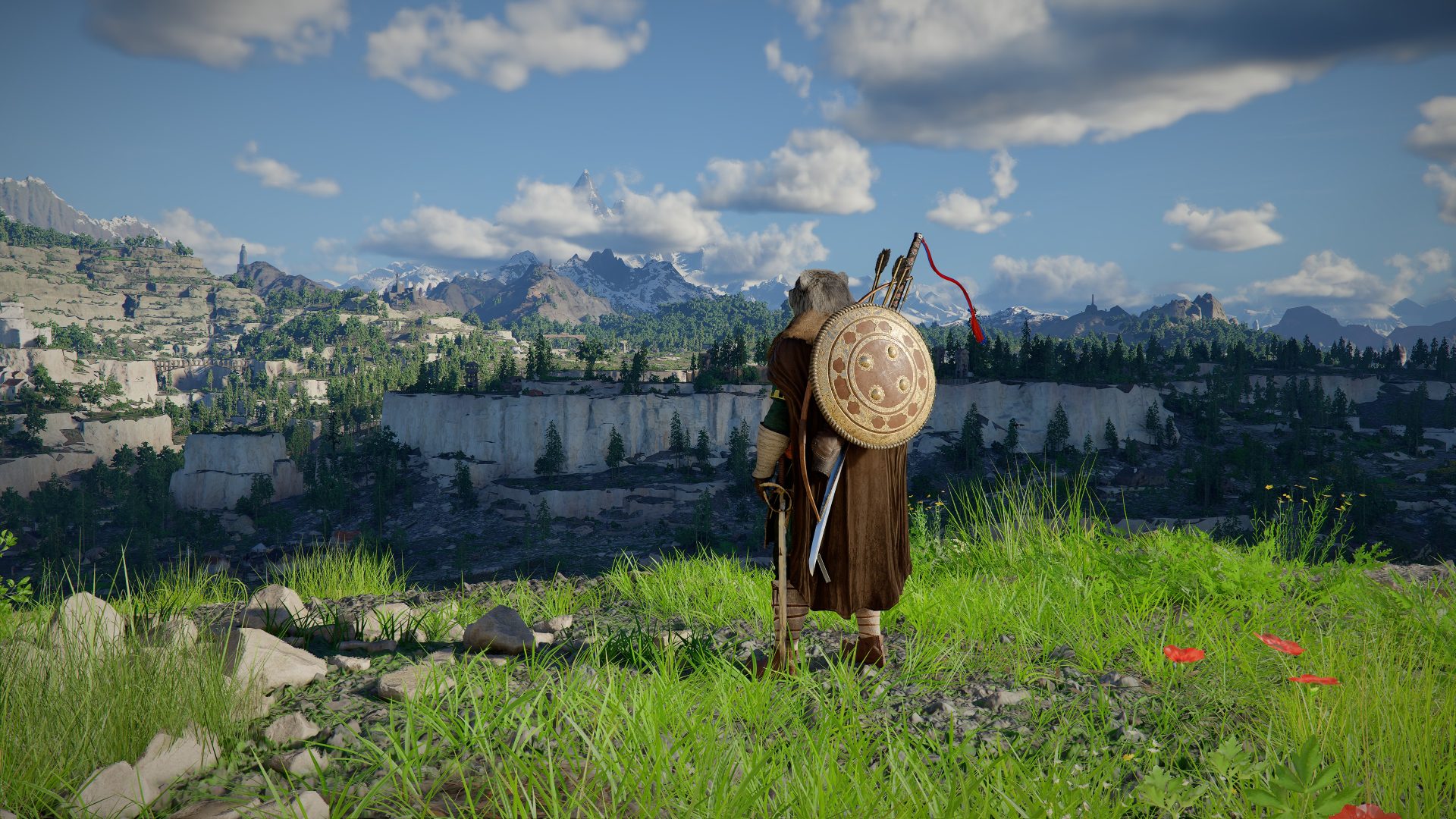
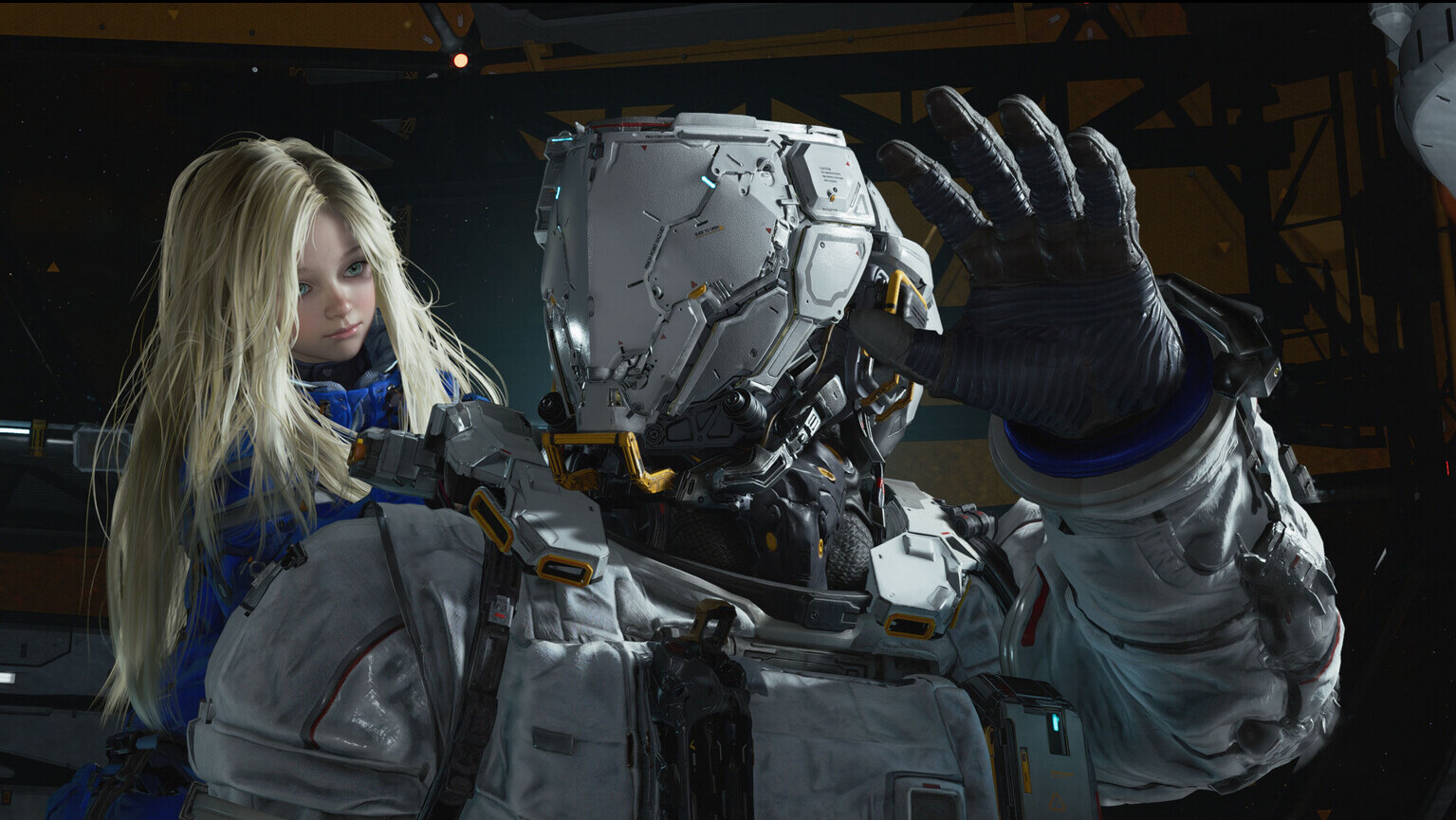
For developers targeting Crimson Desert on Switch 2, the challenge will be managing expectations. While benchmarks hint at improved frame rates, real-world performance may still fall short of traditional console experiences—especially if upscaling techniques introduce noticeable artifacts or trade-offs in visual fidelity. The Witcher 3 on Switch, for example, has long been a benchmark for what’s feasible on portable hardware, and the Switch 2 may not immediately surpass that bar.
Looking ahead, this upgrade could set a precedent for how portable gaming evolves. If developers can successfully leverage these new capabilities without sacrificing battery life, it could open the door to more demanding titles on the go. The key will be whether Nintendo’s approach strikes the right balance between performance and efficiency—a test that will play out in both announced games and unannounced projects still in development.