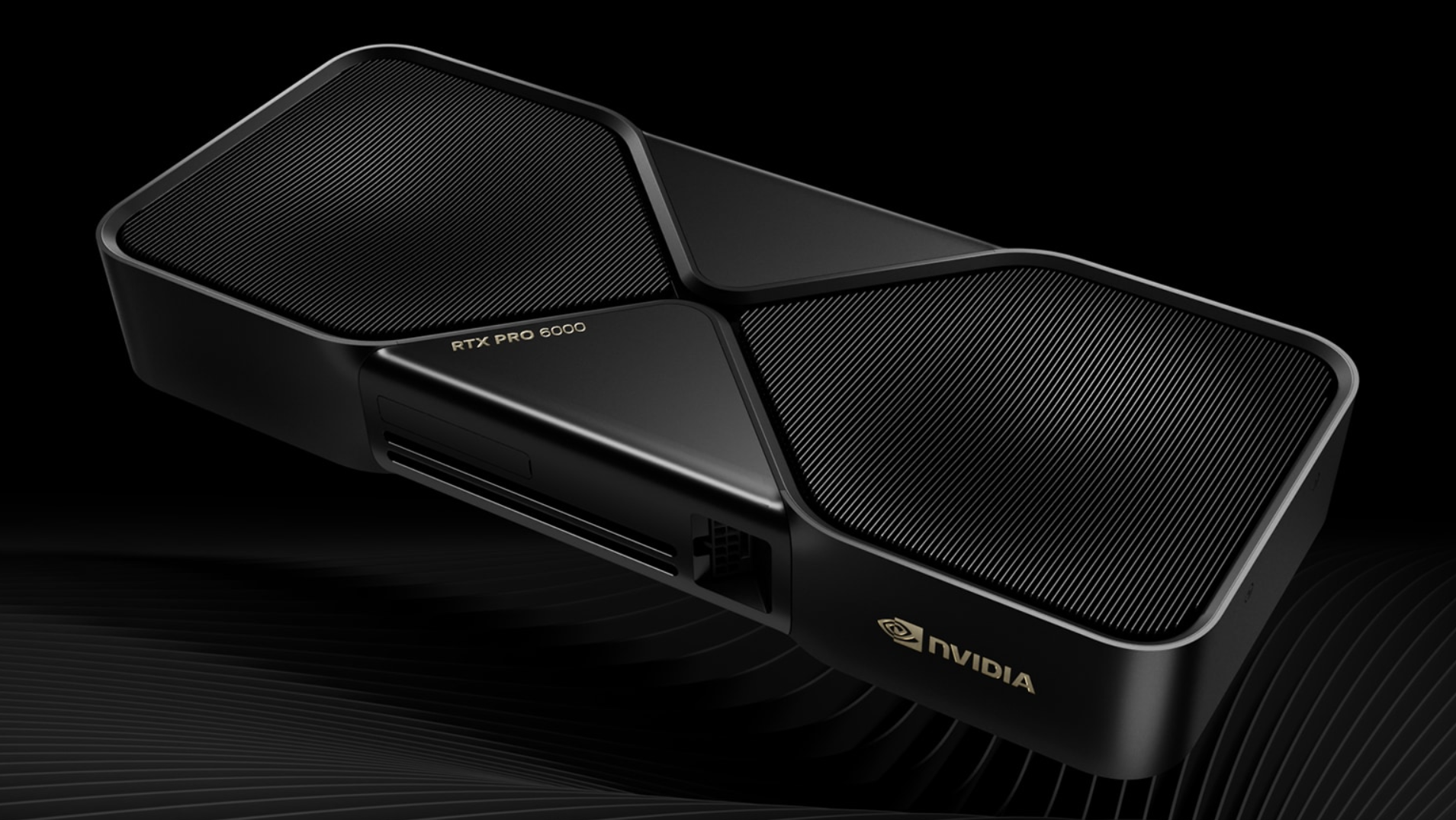
NVIDIA's latest move in the laptop GPU market has caught the attention of PC builders and enthusiasts alike. The company has introduced an upgraded version of the RTX 5070, now equipped with 12GB of GDDR7 memory, marking a notable shift in performance and efficiency for mobile gaming and content creation.
This upgrade comes at a time when supply constraints have been a significant challenge for both manufacturers and consumers. By leveraging new 3GB GDDR7 chips, NVIDIA has managed to cram more memory into the same form factor, which could potentially ease some of these pressures while delivering a substantial performance boost.
Performance and Power Efficiency
The RTX 5070 with 12GB of GDDR7 memory is designed to offer around 50% better performance compared to its predecessors. This leap in performance is not just about raw numbers; it also focuses on thermal management and power efficiency, which are crucial for laptop GPUs where space and heat dissipation are limited.
Key specs include a boost clock of up to 2.4 GHz, a base clock of 1.8 GHz, and a memory bus width of 192-bit. The GPU is built on the Ada Lovelace architecture, which brings advancements in ray tracing and AI capabilities. For PC builders, this means better performance per watt, which could translate to longer battery life or more headroom for overclocking.
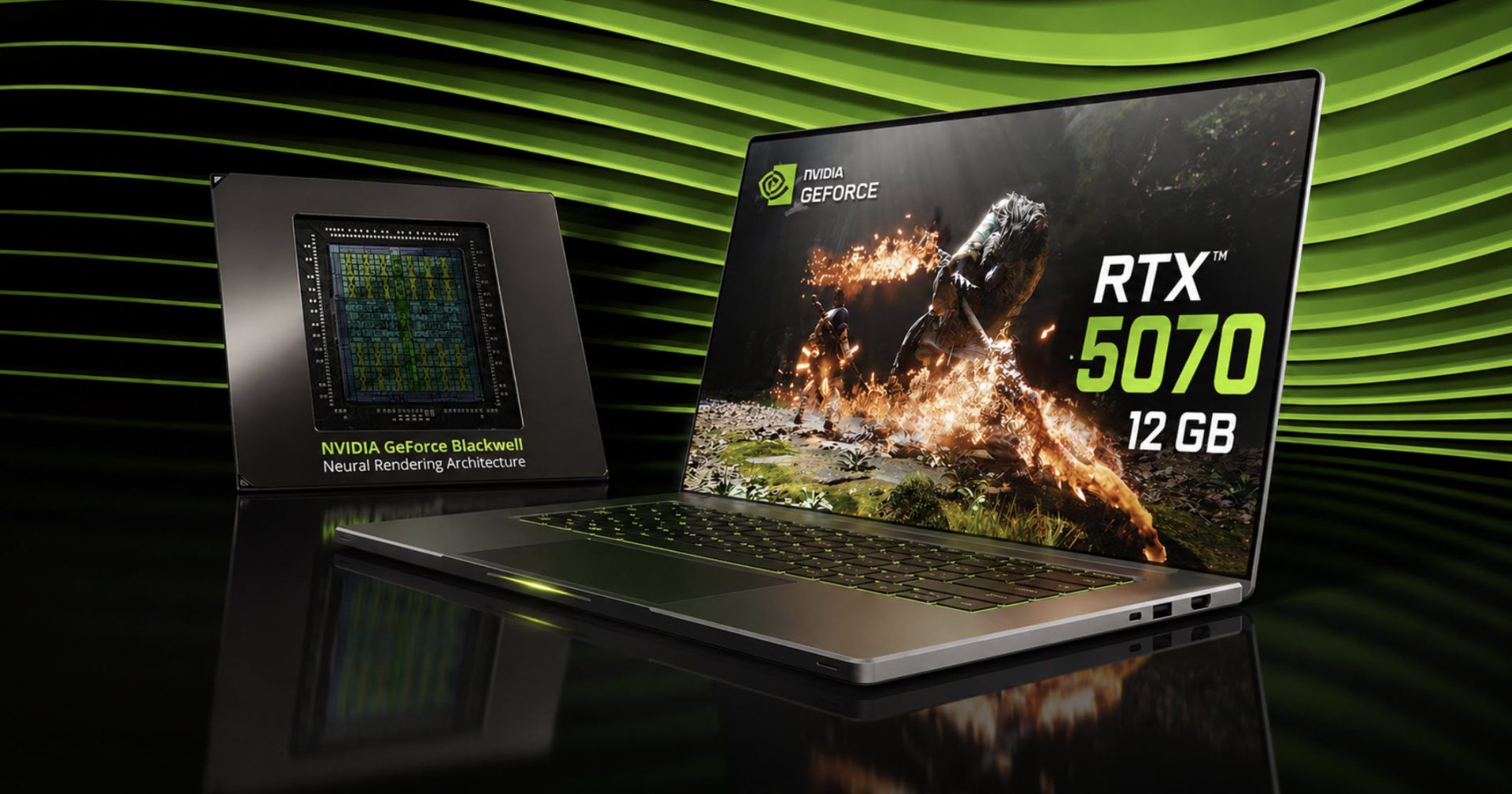
- Memory: 12GB GDDR7
- Boost Clock: Up to 2.4 GHz
- Base Clock: 1.8 GHz
- Memory Bus Width: 192-bit
- Architecture: Ada Lovelace
The increased memory capacity is particularly beneficial for tasks that demand more VRAM, such as high-resolution gaming or professional workloads like video editing. The GDDR7 memory also offers better bandwidth and efficiency compared to previous generations, which could further enhance the performance in these scenarios.
Market Implications
The introduction of this upgraded RTX 5070 raises important questions for PC builders about when to upgrade their systems. With a 50% performance boost, this GPU could be a compelling option for those looking to future-proof their builds without breaking the bank. However, the availability and pricing remain key factors that will influence adoption.
For now, it's clear that NVIDIA is pushing hard on both performance and efficiency in the laptop GPU space. The focus on power efficiency could also mean that this upgrade might be more accessible than previous generations, assuming supply constraints can be managed effectively. As for what's confirmed and what remains unknown, the performance claims are backed by benchmarks, but real-world usage will determine how well this GPU holds up under prolonged loads.
The RTX 5070 with 12GB GDDR7 memory is a step forward in addressing the needs of both gamers and content creators. Whether it will become a standard-bearer or just another option in an increasingly crowded market remains to be seen, but its potential is undeniable.