NVIDIA is set to significantly reduce its GPU shipments to add-in-card (AIC) partners by up to 20%, according to industry insights. This development marks a notable change in the company's supply strategy, potentially reshaping the landscape for third-party GPU manufacturers and the broader market.
The reduction in shipments could indicate a strategic pivot for NVIDIA, with less emphasis on consumer-grade graphics cards like the RTX 5070 Ti. The mid-range model has already been reported to be nearing end-of-life status due to supply constraints, further suggesting a shift in priorities.
Despite the cut, NVIDIA is expected to continue bundling GDDR7 memory with its GPU kits for AIC partners. This decision contrasts with earlier concerns about potential disruptions in memory sourcing, where manufacturers were reportedly considering alternative suppliers like SK Hynix, Samsung, and Micron. The continued provision of GDDR7 memory underscores NVIDIA's commitment to maintaining a seamless supply chain for its partners.
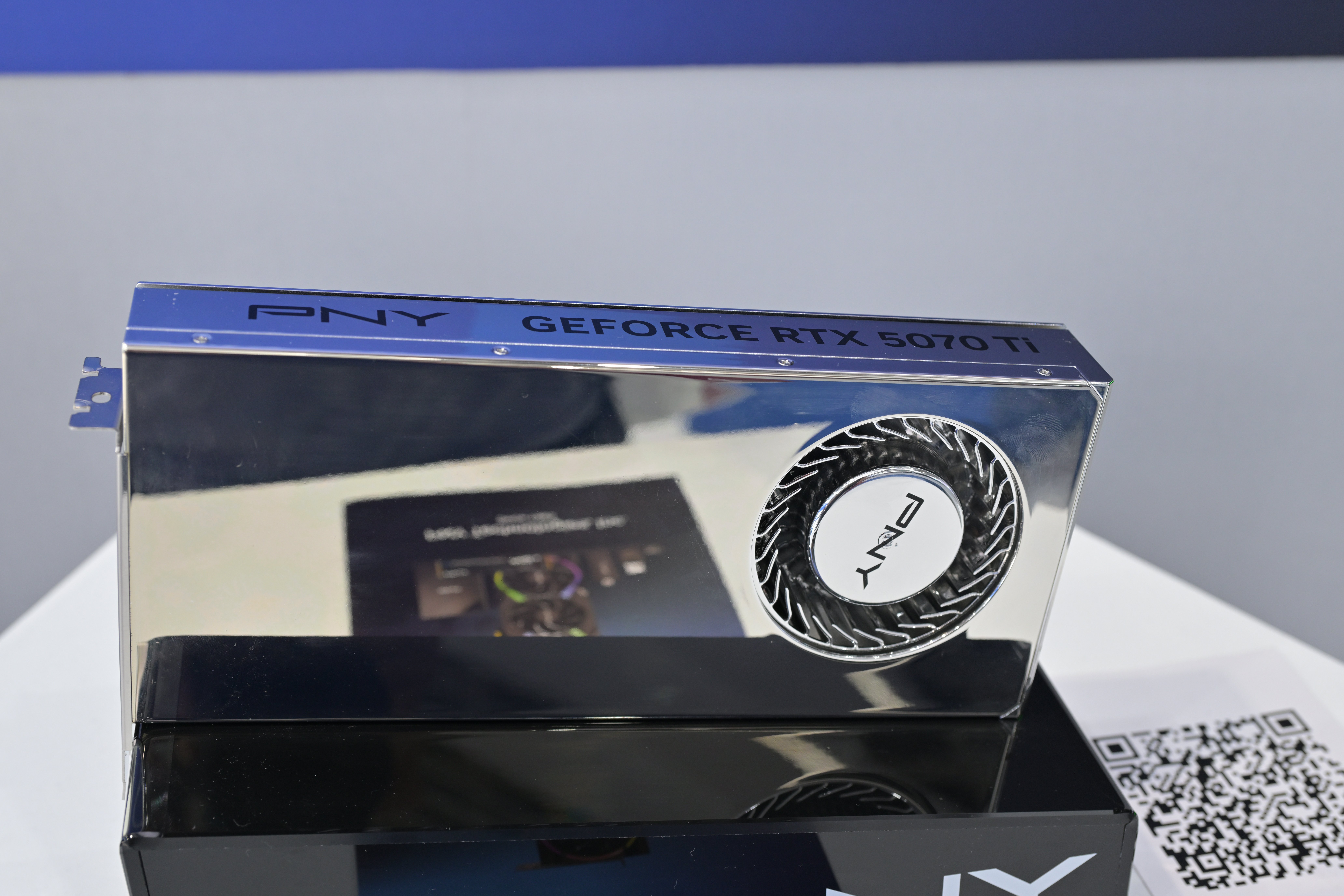
The impact of this supply adjustment on aftermarket pricing remains uncertain, but it could lead to increased competition among AIC partners vying for limited GPU supplies. Additionally, the move may accelerate the transition towards server-grade solutions, such as the B200 and B300 chips, which are designed for data center applications.
This shift comes at a time when NVIDIA is also exploring new avenues in the market, including potential collaborations with Intel to integrate RTX iGPUs into x86 platforms. The company's market share dominance in discrete GPUs has been expanding, reaching 94% according to recent reports, further highlighting its influence and strategic direction.
Looking ahead, NVIDIA is expected to debut its GeForce RTX 50-series SUPER lineup at CES 2026. This event could provide more insights into the company's future product roadmap and its continued focus on both consumer and server markets.