Nvidia's next-generation GPUs, codenamed Blackwell, are poised to deliver a substantial leap forward in computational power, particularly for AI-driven tasks. The architecture is designed to address the growing demands of machine learning and graphics-intensive applications, offering a balance between performance and efficiency that could reshape upgrade decisions for professionals.
The Blackwell platform is expected to bring notable improvements over its predecessors, with a focus on enhancing throughput while maintaining power efficiency. This shift is significant for creators who rely on high-performance GPUs for rendering, training models, or other resource-intensive workflows. The architecture's ability to handle complex workloads more effectively could make it a compelling option for those looking to push the boundaries of what's possible in AI and graphics.
One of the standout features is the Blackwell's optimized memory hierarchy, which promises to reduce latency and improve bandwidth utilization. This is particularly beneficial for tasks that require rapid data processing, such as real-time rendering or large-scale dataset analysis. Additionally, the platform is designed to support advanced AI features, including improved tensor core performance, which could accelerate training times for deep learning models.
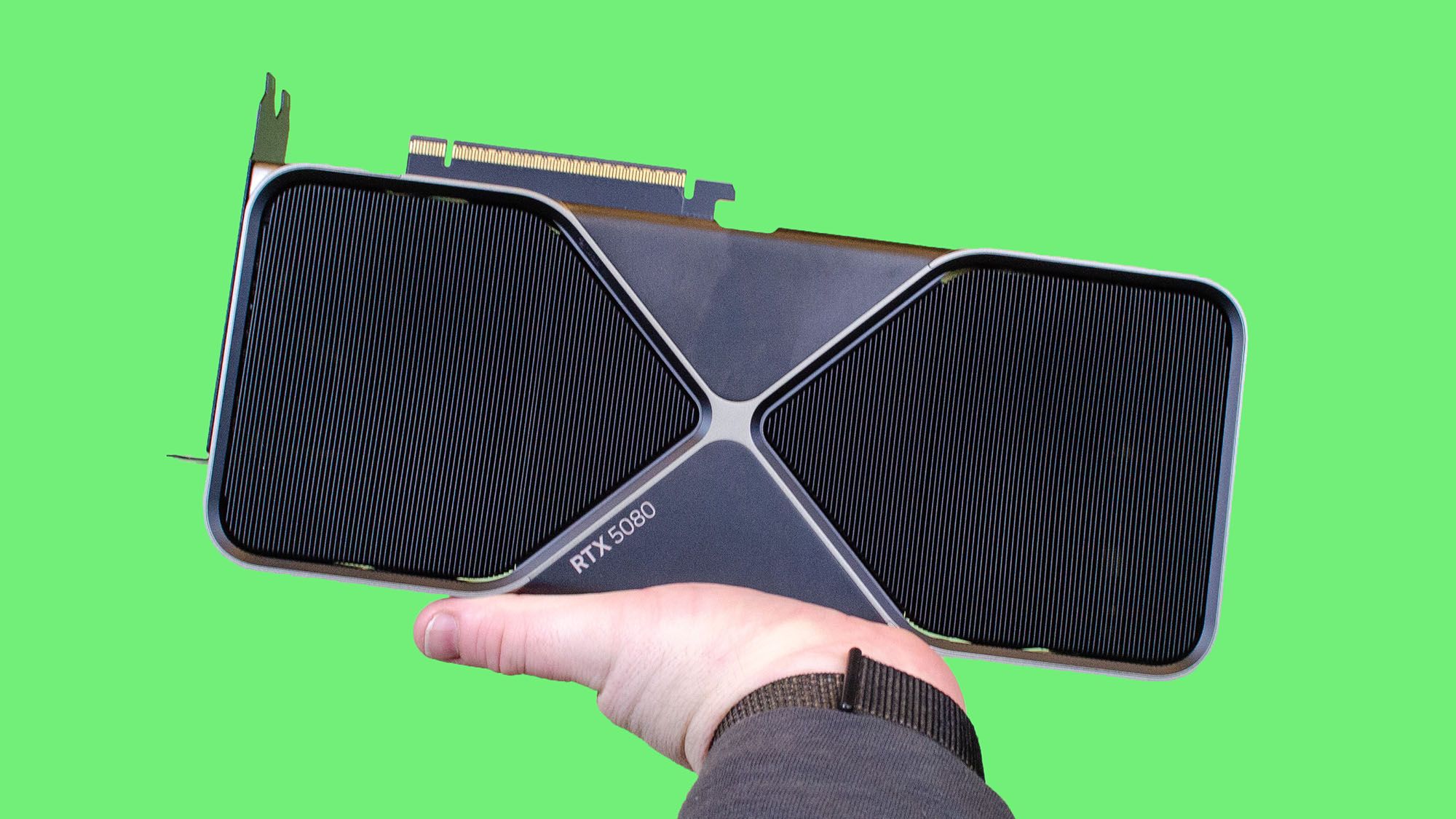
That's the upside—here's the catch: while the Blackwell architecture offers significant advancements, its full potential may come with a premium price tag. Early indications suggest that Nvidia will position these GPUs as high-end solutions, targeting professionals who are willing to invest in cutting-edge technology. For those on a budget or working with more modest workloads, the value proposition might not be as clear-cut.
Nvidia's focus on AI acceleration is unlikely to waver, and the Blackwell platform is expected to solidify its leadership in this space. However, the real-world impact will depend on how Nvidia balances performance gains with cost efficiency. For creators, this means carefully weighing the benefits of upgrading to Blackwell against the potential financial commitment.
Availability for the Blackwell-based GPUs is not yet confirmed, but industry watchers anticipate a launch in late 2026 or early 2027. Those looking to stay ahead of the curve should keep an eye on Nvidia's announcements and pricing strategies, as they will play a crucial role in determining the platform's market adoption.