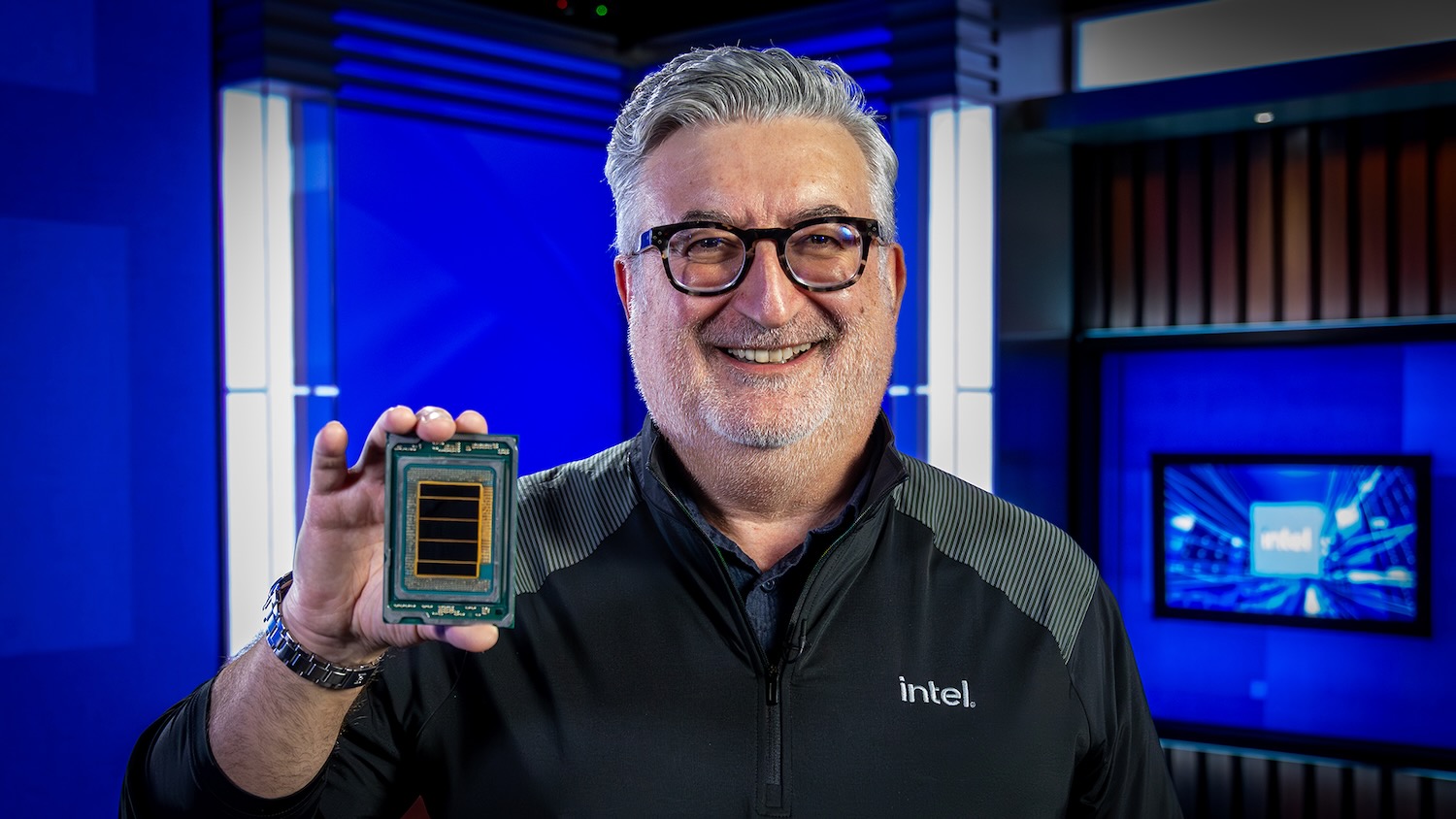
Intel has officially unveiled its next-generation Xeon 6 series processors, marking a significant advancement in server architecture. These chips, codenamed 'Emerald Rapids,' are built on Intel's 18A process node and feature up to 288 efficiency cores, setting a new standard for performance density in data centers.
The Xeon 6 series introduces the E835 chipset, which supports 200 GbE Ethernet connectivity—a first for Intel's server platforms. This high-speed networking capability is designed to address the growing demand for bandwidth in modern data center environments. Additionally, the processors will integrate the upcoming Crescent Island GPU, promising enhanced graphics performance and AI acceleration.
Key Specifications
- Core Configuration: Up to 288 efficiency cores (E-cores) for compute-intensive workloads.
- Chipset: E835 with support for 200 GbE Ethernet, enabling high-speed networking.
- GPU Integration: Crescent Island GPU for improved graphics and AI performance.
- Process Node: 18A, delivering higher transistor density and efficiency.
The Xeon 6 series is positioned to cater to power users and data center operators who require scalable, high-performance solutions. The introduction of 200 GbE Ethernet on the E835 chipset addresses a critical need for bandwidth in modern networks, while the Crescent Island GPU offers potential for advancements in AI and graphics workloads.
For buyers, the Xeon 6 series represents a significant step forward in platform lock-in, with its integrated networking and GPU capabilities. However, pricing and availability details remain unconfirmed, leaving some uncertainty about when these processors will be widely accessible.
The roadmap for Intel's server platforms continues to evolve, with the Xeon 6 series serving as a bridge between current offerings and future innovations. As data center demands grow, this series may set the stage for further advancements in performance and efficiency, shaping the landscape of high-end computing for years to come.