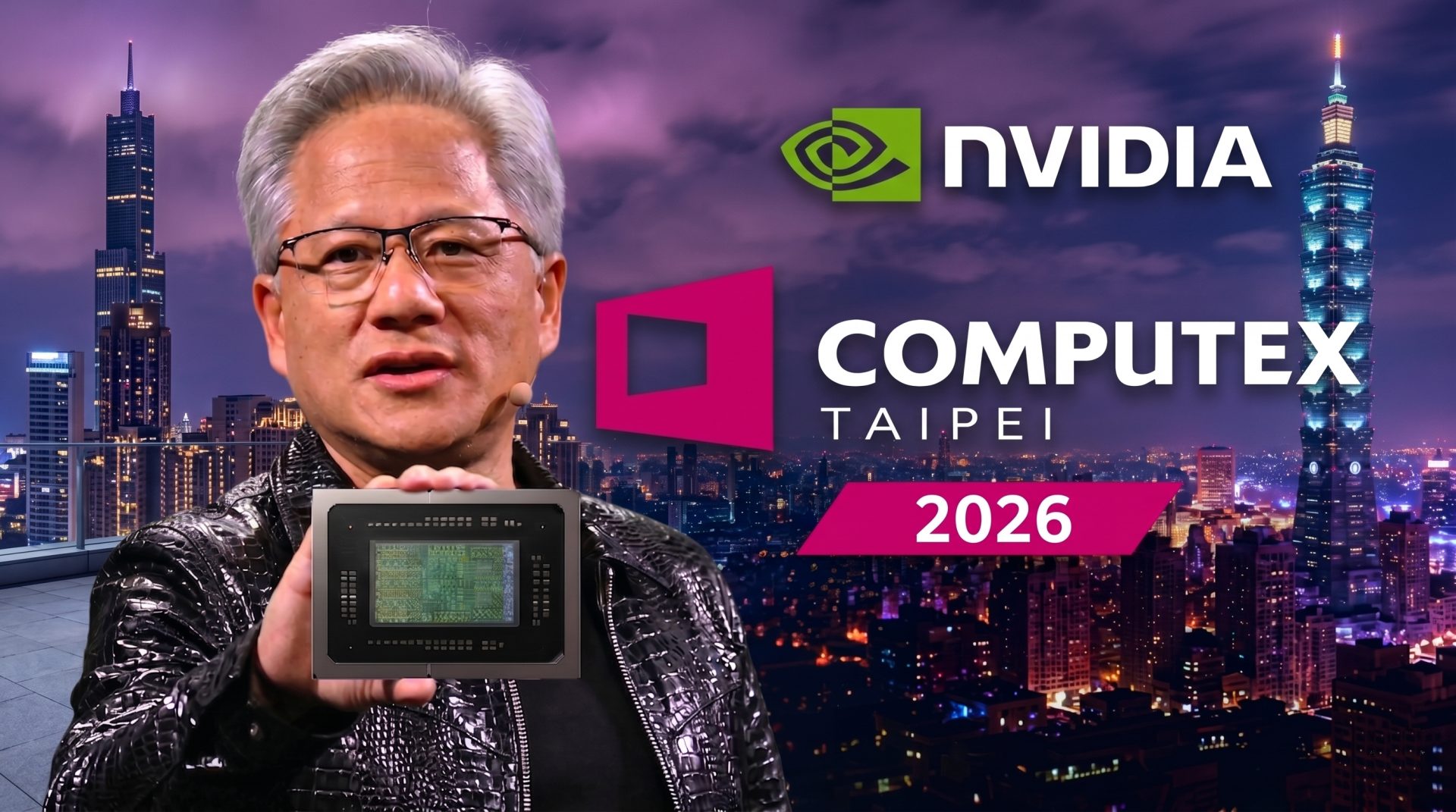
The landscape of artificial intelligence is undergoing a seismic shift. No longer confined to the confines of data centers, AI computing is now making its way into desktop systems with unprecedented power. At the heart of this transformation lies NVIDIA’s GB300 Blackwell Ultra superchip—a technological marvel that promises to redefine what a workstation can achieve.
This isn’t merely an incremental upgrade; it’s a bold leap forward. The DGX Station, powered by the GB300, is designed to deliver 20 PFLOPS of AI compute performance and 748 GB of HBM memory in a single system. This level of processing power is enough to handle tasks that once required entire server racks, making it a game-changer for organizations looking to bring AI capabilities in-house.
The Powerhouse Behind the DGX Station
The GB300 superchip integrates 14 Blackwell Ultra chips into one cohesive unit, setting new benchmarks for performance and efficiency. This integration allows the DGX Station to tackle large-scale language model training and inference with remarkable speed and accuracy. The system’s 748 GB of HBM memory is a record-setter, addressing the growing demands of modern AI models that require vast amounts of data to operate effectively.
- 20 PFLOPS of AI compute delivered by 14 Blackwell Ultra chips.
- 748 GB of HBM memory, enabling large-scale inference without data swapping.
- Four NVIDIA H100 GPUs included for additional flexibility, though the superchip remains the primary focus.
The DGX Station also features 24 OCP 5.0 expansion slots, a dual-socket AMD EPYC server CPU (with limited performance details), and support for up to eight NVLink switches. These specifications highlight NVIDIA’s ambition to create a versatile platform that can handle both AI acceleration and traditional computing tasks.

Platform Lock-In: A Growing Concern
The real challenge for enterprises lies in the DGX Station’s tight integration with NVIDIA’s software ecosystem. The system is built around NVIDIA’s development tools and frameworks, which means users are tied to its long-term roadmap. While this ensures seamless performance and optimization, it also raises concerns about flexibility.
Enterprises that require interoperability with non-NVIDIA hardware or open-source software may find themselves constrained by the platform’s proprietary nature. There is no immediate indication that third-party frameworks will catch up to NVIDIA’s stack, leaving enterprises in a precarious position if their needs evolve beyond the current ecosystem.
A New Era of AI Computing
The GB300 superchip marks a significant milestone in NVIDIA’s strategy to bring high-performance AI computing to the desktop. While the technology is undeniably powerful, its success hinges on whether enterprises can navigate the complexities of platform integration without sacrificing flexibility.
If NVIDIA can address these concerns, the DGX Station could redefine what’s possible for AI at the edge. It could become a cornerstone of enterprise AI, enabling organizations to perform complex tasks in-house with unprecedented efficiency. However, if not, it may serve as a cautionary tale about the risks of betting too heavily on a single vendor’s vision.
For now, the DGX Station stands as a testament to NVIDIA’s ambition and innovation. Whether it will become a cornerstone of enterprise AI or a case study in platform lock-in remains to be seen. One thing is certain: the future of AI computing is being written, and the GB300 superchip is at the forefront of this narrative.