Building a high-performance PC used to be about matching components: CPU, GPU, RAM, and storage. Now, the introduction of NVIDIA’s BlueField-4 STX storage architecture complicates that equation. It promises lower latency and higher throughput but forces builders to reconsider how they integrate storage into their systems.
The architecture is designed for data centers, but its implications ripple outward, affecting how enthusiasts and professionals approach storage upgrades. The key question isn’t just whether it’s worth the cost—it’s whether the ecosystem will follow. Compatibility remains a wild card; if motherboard manufacturers don’t adopt it quickly, the trade-off between performance and risk becomes clearer.
At its core, BlueField-4 STX is built around NVIDIA’s 5nm Arm-based BlueField-4 system-on-chip (SoC). It delivers up to 200GB/s of bandwidth for storage devices, a figure that dwarfs traditional PCIe 5.0 SSDs. But this performance comes with strings attached: it requires a new generation of motherboards and storage controllers, neither of which are widely available yet.
For PC builders, the immediate challenge is balancing the allure of cutting-edge specs against the uncertainty of ecosystem support. The architecture’s focus on data center-grade reliability suggests long-term stability for server environments, but its relevance to consumer or workstation builds remains unproven. If adoption stalls, builders may find themselves in a position where the benefits are theoretical while the costs—both financial and in terms of compatibility—are very real.
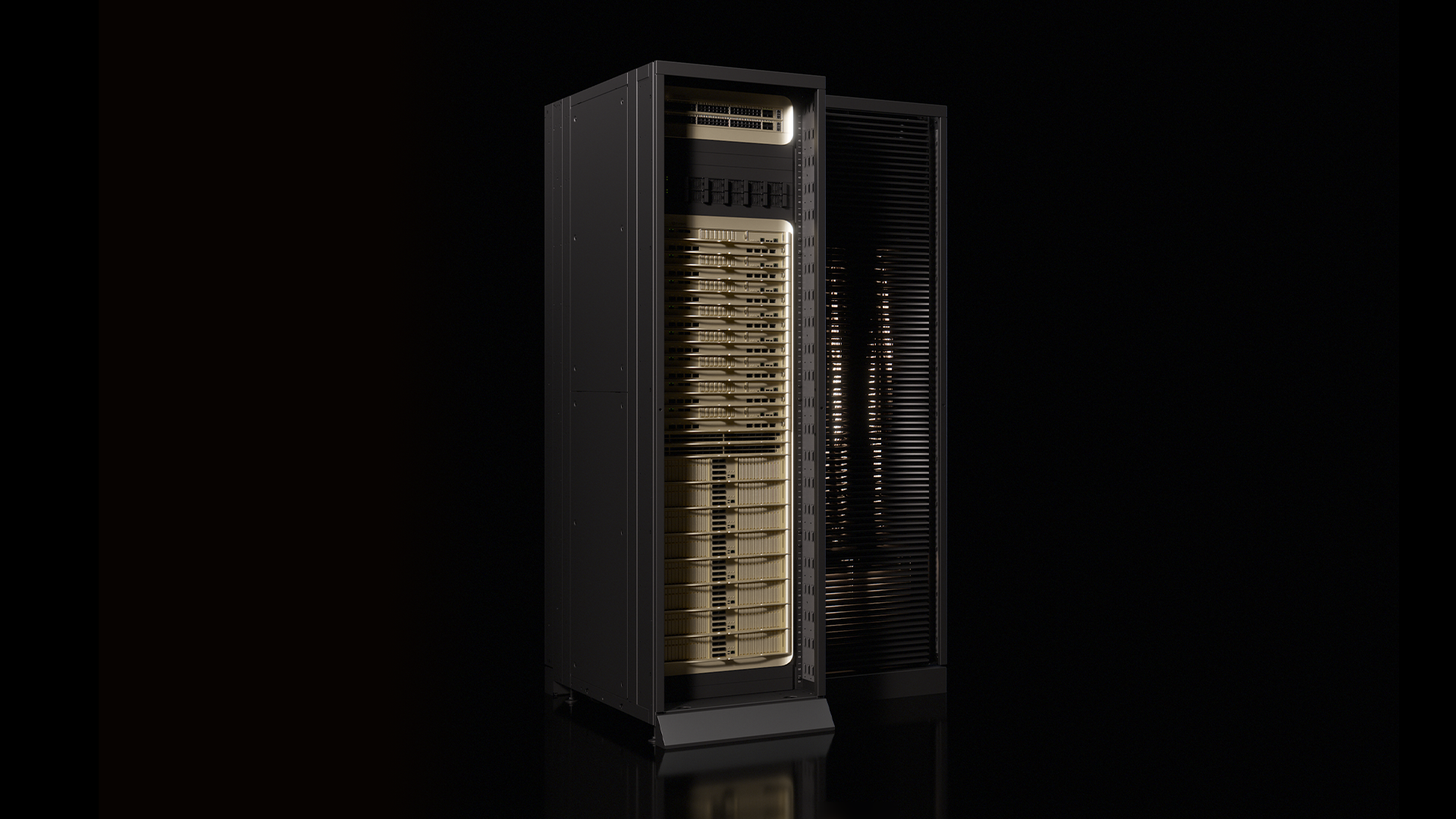
- Up to 200GB/s bandwidth for storage devices
- 5nm Arm-based BlueField-4 SoC
- Designed for data center-grade reliability but with potential for broader use
The architecture’s design also introduces a shift in how storage is managed. Traditional PCIe SSDs rely on the CPU to handle data transfer, creating bottlenecks as workloads grow. BlueField-4 STX offloads some of that work to its own processing unit, reducing latency and freeing up CPU cycles. This could be a game-changer for applications like AI training or large-scale data analysis, where storage speed is critical.
Yet, the lack of immediate availability for consumer hardware means that for now, the architecture exists mostly on paper. Motherboard manufacturers have yet to announce full support, and storage devices built around BlueField-4 STX are not expected until late 2025. Builders looking to upgrade today will need to weigh whether the potential future benefits justify the risk of being stuck with an unsupported platform.
NVIDIA’s move reflects a broader trend in the industry: pushing performance boundaries while leaving the ecosystem to catch up. The BlueField-4 STX architecture is a prime example of this, offering significant advantages if the market aligns—but carrying significant compatibility risks if it doesn’t. For now, builders must decide whether they’re willing to bet on the future or stick with proven, if less performant, alternatives.
The architecture’s long-term success hinges on two factors: how quickly motherboard manufacturers adopt it and whether storage device makers follow suit. If both happen, BlueField-4 STX could redefine what’s possible in PC storage. If not, it may remain a curiosity—a glimpse of what could have been, had the ecosystem been ready.