Nvidia’s latest leap in upscaling technology—DLSS 4.5—is a game-changer for performance and visual fidelity. With its ability to generate additional frames in real-time while maintaining sharp details, it promises smoother gameplay on mid-range hardware. Yet beneath the hype lies a familiar concern: history shows that when developers gain a shortcut to boost visuals, they often prioritize flash over substance.
The new feature introduces Frame Generation, a technique that dynamically creates intermediate frames to reduce input lag and improve fluidity. Benchmarks reveal a staggering 2x performance boost in supported titles, effectively turning a $600 GPU into a $1,200 powerhouse for many users. But the real question isn’t whether DLSS 4.5 works—it’s whether studios will use it responsibly.
Take Cyberpunk 2077* as a cautionary tale. When Nvidia’s DLSS 2.0 launched, the game initially ran at a fraction of its intended resolution, forcing players to toggle upscaling manually. Fast-forward to today, and many titles now default to DLSS by default—often without clear performance trade-offs. The risk? Developers might treat DLSS 4.5 as a crutch to mask subpar optimizations, leaving gamers with visually impressive but sluggish experiences.
At its core, DLSS 4.5 is a double-edged sword. For the average gamer, it’s a lifeline—transforming older GPUs into high-end machines. But for the industry, it’s an invitation to cut corners. Will studios embrace it as a tool for better performance, or will it become another layer of obfuscation? Only time will tell.
- DLSS 4.5 introduces Frame Generation, doubling FPS in supported games while maintaining 4K quality.
- Supported GPUs include the RTX 40 Series (and select RTX 30 Series models).
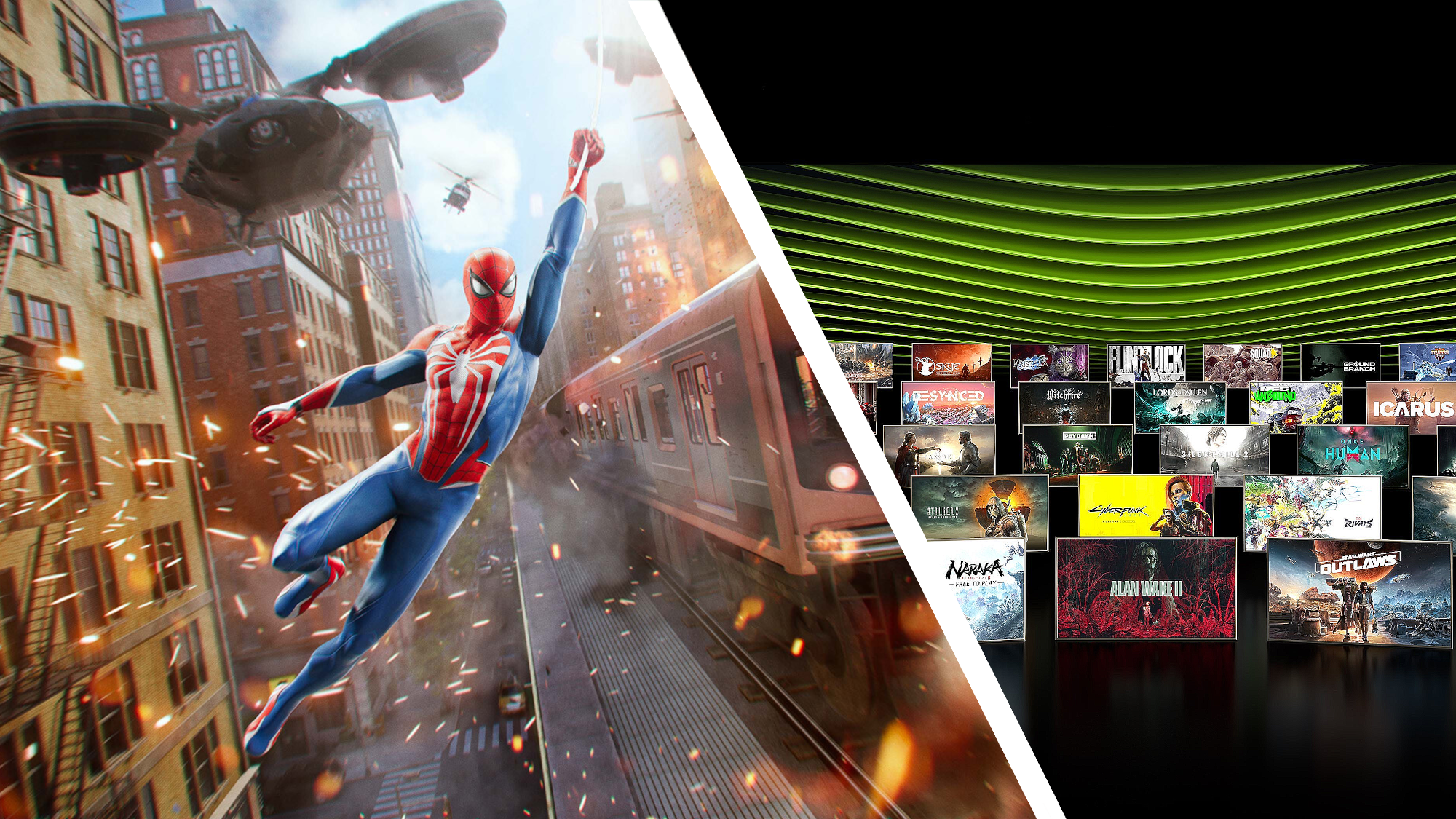
- Early adopters report 2x performance gains in titles like Alan Wake 2 and Starfield*.
- The biggest concern? Developers may default to DLSS 4.5 without transparency, hiding poor optimizations.
- Nvidia’s AI denoiser now runs at 240Hz, reducing input lag further—but only on compatible hardware.
For now, DLSS 4.5 is a triumph of technology. Whether it remains a force for good depends on how the industry wields it.