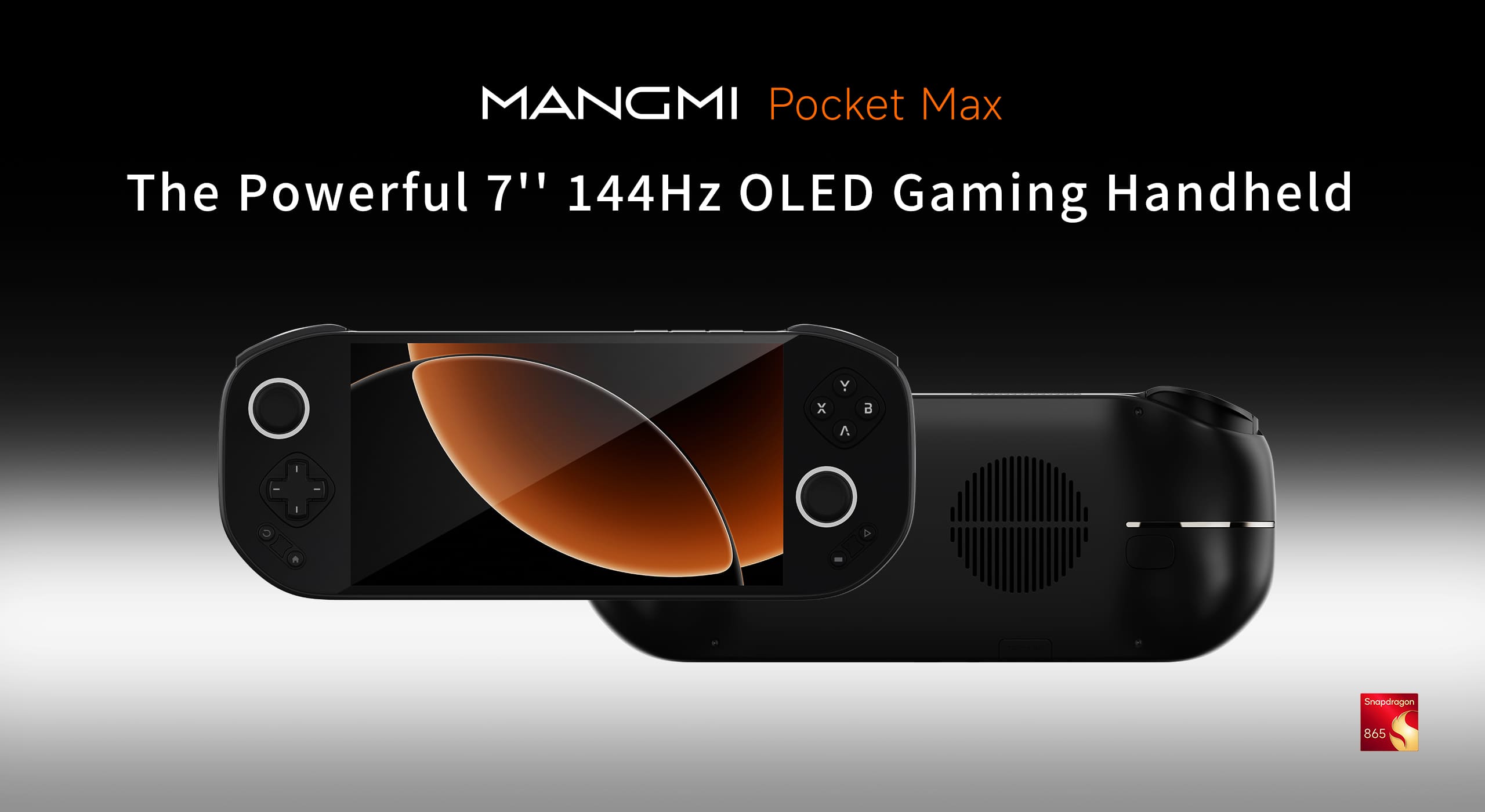
The Pocket Max isn’t just a handheld—it’s a reimagining of what a budget gaming device can deliver. While competitors focus on raw power or niche features, this device prioritizes display technology and modularity, making it a standout for players who value visual fidelity and customizable controls.
For those who’ve grown accustomed to the limitations of IPS panels or rigid button layouts, the Pocket Max offers a stark contrast. The 7-inch OLED screen, with its 144Hz refresh rate and 2ms response time, ensures games feel responsive and fluid, while the 800-nit brightness and 150% sRGB coverage make colors pop—critical for titles that rely on vibrant visuals. The modular button system, with its mechanical switches and Hall Effect triggers, allows for tactile customization, a feature rarely seen at this price.
The device’s performance is anchored by the Snapdragon 865, a chipset typically found in flagship smartphones. While it may not match the raw power of dedicated gaming handhelds like the Steam Deck, it handles most Android titles smoothly, with the Adreno 650 GPU delivering solid frame rates in mid-range games. The 8GB LPDDR4X RAM and 128GB UFS 3.1 storage further enhance multitasking and game loading speeds, ensuring minimal lag during use.
The 8000mAh battery is a notable upgrade, offering extended playtime—especially important for handheld gaming where portability is key. The inclusion of a 27W fast-charging adapter means users can quickly top up the battery between sessions, though sustained high-performance gaming may still require occasional cooling intervention.
The Pocket Max’s design philosophy extends to its connectivity as well. With USB 3.1 Type-C, Wi-Fi 6, and Bluetooth 5.1, it supports modern peripherals and wireless gaming setups. The 3.5mm headphone jack and microSD slot add practicality, ensuring compatibility with a wide range of accessories.
Who should consider this device? It’s ideal for casual gamers who want a high-refresh-rate OLED display without the premium price tag, as well as handheld enthusiasts who appreciate modular controls and customizable feedback. The tradeoff is in raw power—while it excels in visuals and ergonomics, it may struggle with the most demanding titles. Compared to alternatives like the Steam Deck or AYANEO, the Pocket Max offers a more affordable entry into premium handheld gaming, making it a compelling choice for those who prioritize display quality and modularity over sheer performance.
The device launches on February 5 at a limited-time price of $199, rising to $219 after February 12. For those who’ve been waiting for a handheld that balances cutting-edge display technology with budget-friendly pricing, the Pocket Max arrives at an opportune moment.