NVIDIA's older graphics processing units (GPUs), originally designed for gaming and professional rendering, are now playing a pivotal role in artificial intelligence workloads. Despite their age—some models entering this market are five years old—they remain highly capable, particularly when paired with the right software stacks. This repurposing is part of a broader trend where legacy hardware finds new purpose in emerging computational domains.
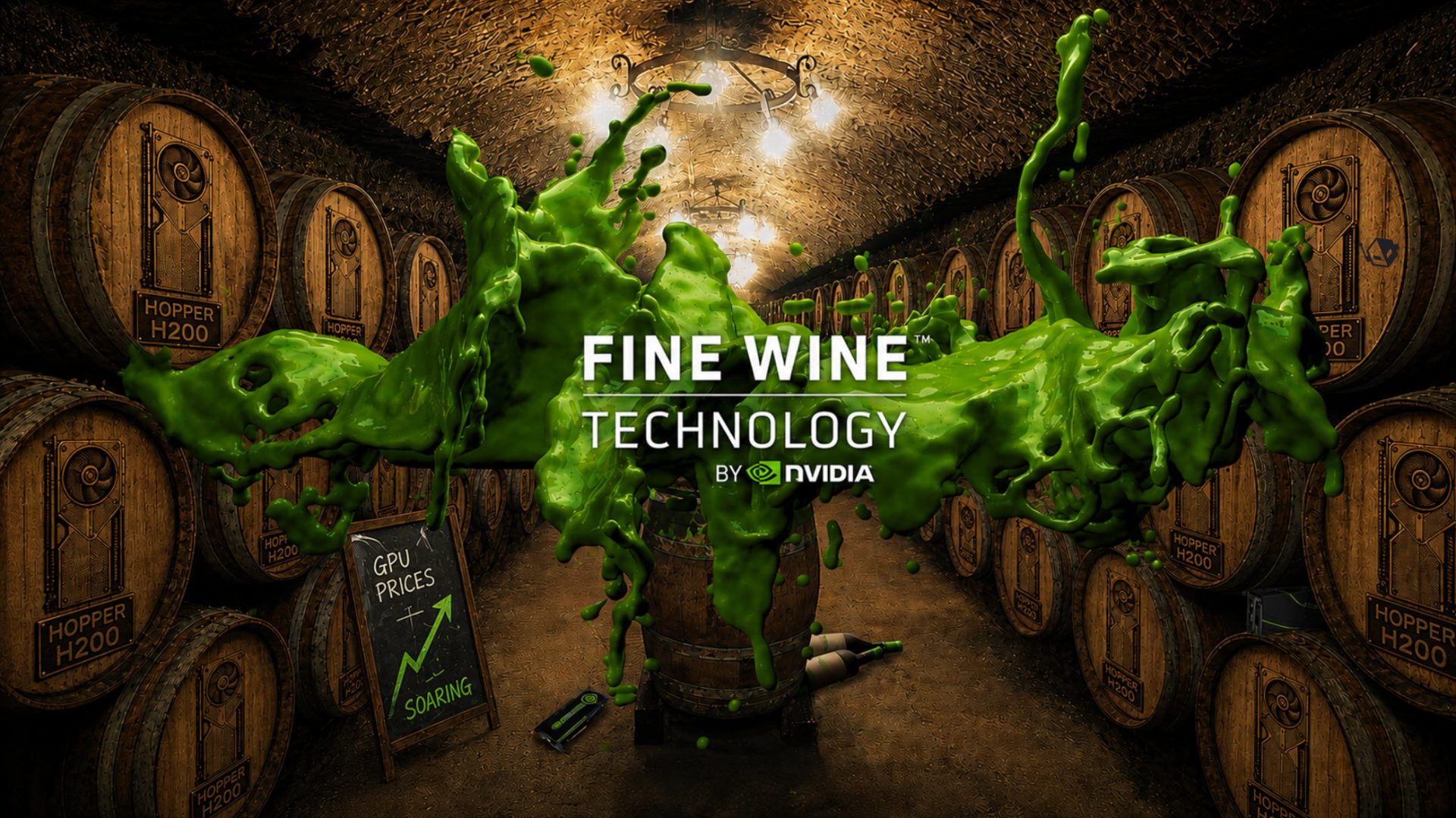
The surge in demand for AI infrastructure has led to a notable price increase for these GPUs. Models like the NVIDIA A100, which first launched in 2020, are now fetching premium prices due to their continued relevance in data center and research environments. This phenomenon is not limited to NVIDIA; other legacy GPUs from the company's lineup, such as the V100 and T4, are also seeing upward price movements, reflecting the market's insatiable appetite for computational power.
An Ecosystem Built on Adaptability
The Windows platform ecosystem has long been a cornerstone of NVIDIA's GPU dominance. While modern AI workloads often rely on Linux-based environments, Windows remains a critical operating system for many enterprise and research applications. NVIDIA's CUDA toolkit, which enables parallel computing across its GPUs, is fully compatible with Windows, allowing developers to leverage these legacy models for AI tasks without significant porting efforts.
- Supported Devices: NVIDIA A100, V100, T4 (and other legacy models)
- Operating Systems: Windows 10/11 Pro, Enterprise; Linux variants
- Key Software: CUDA 12.x, TensorRT, NVIDIA AI Enterprise
The adaptability of these GPUs extends beyond traditional AI workloads. They are also being used in high-performance computing (HPC) tasks, such as weather modeling and financial simulations, where their parallel processing capabilities are highly valued. This versatility underscores the platform's ability to evolve alongside technological trends, ensuring that older hardware remains relevant even as newer generations enter the market.
Who Stands to Benefit?
The rise of legacy GPUs in AI workloads primarily benefits enterprises and research institutions with existing NVIDIA infrastructure. Companies that invested in these models during their initial release can now repurpose them for AI tasks without incurring the cost of newer, more expensive hardware. However, the price hikes pose a challenge, particularly for smaller organizations or startups that may lack the budget for high-end GPUs.
For NVIDIA, this trend reinforces its position as a leader in the AI hardware space. The company's ability to maintain backward compatibility and performance across generations of GPUs ensures that its ecosystem remains robust and future-proof. As demand continues to grow, the balance between supply and price will be closely watched by industry observers.
The story of NVIDIA's legacy GPUs is a testament to the platform's adaptability and resilience. In an era where computational power is the lifeblood of AI innovation, these older models are proving that performance does not always require cutting-edge hardware—just the right ecosystem to unlock it.