processors have long been defined by their ability to balance performance with power efficiency. But as artificial intelligence becomes more deeply embedded in smartphones, the traditional metrics of processing power are being recalibrated. NVIDIA's Rubin AI platform represents a turning point in this evolution, promising to redefine what mobile devices can achieve—but at a cost that will ripple through the entire industry.
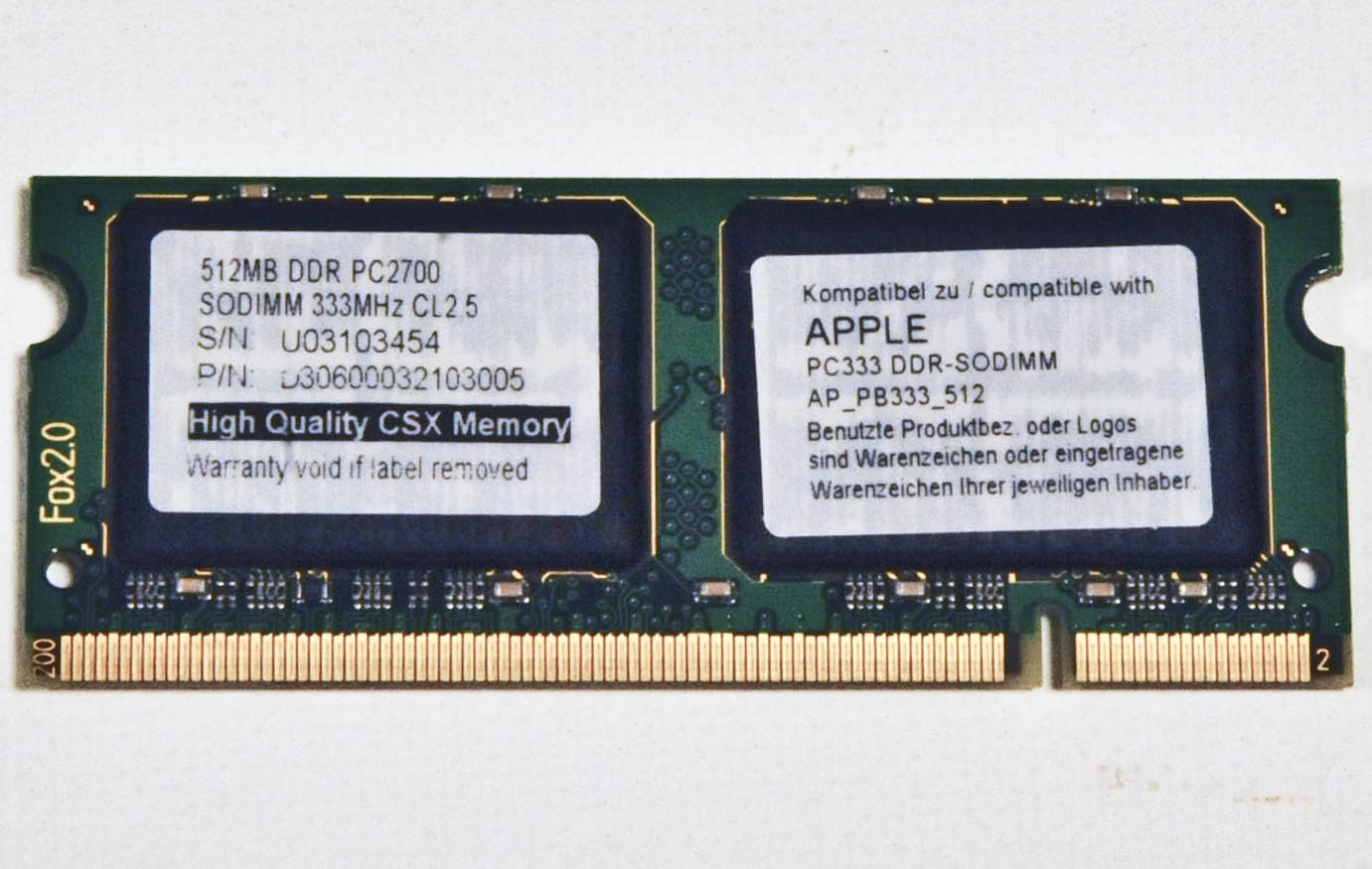
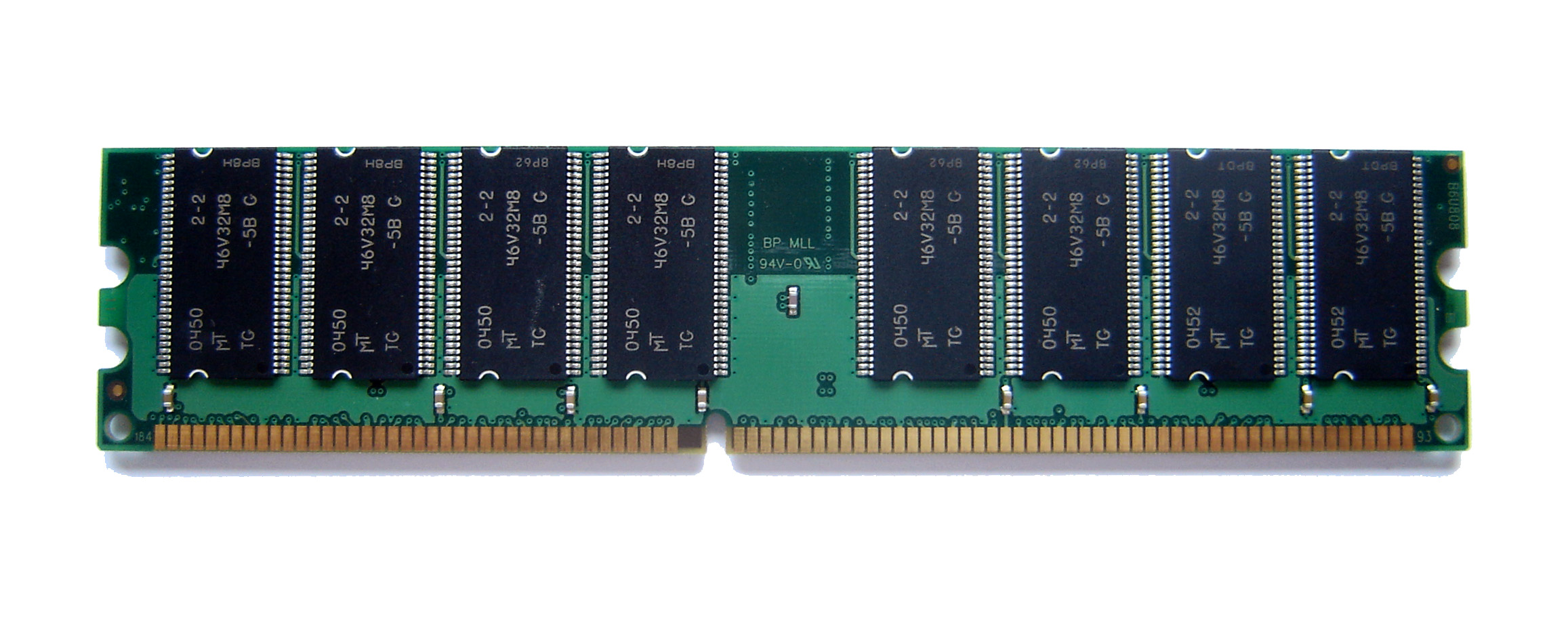
Unlike previous generations of mobile chips, Rubin is not just another performance boost. It is built from the ground up to handle complex AI tasks locally, eliminating the need for constant cloud connectivity and enabling real-time processing of large datasets. This shift demands unprecedented memory capacity: approximately 120 gigabytes of LPDDR in 2027 alone, far exceeding the combined smartphone demand of Apple and Samsung today.
- Memory Consumption: Rubin will require around 120GB of LPDDR by 2027, surpassing current combined demand from Apple and Samsung smartphones.
- AI Optimization: The platform is designed for real-time image processing, natural language understanding, and on-device learning without significant cloud reliance.
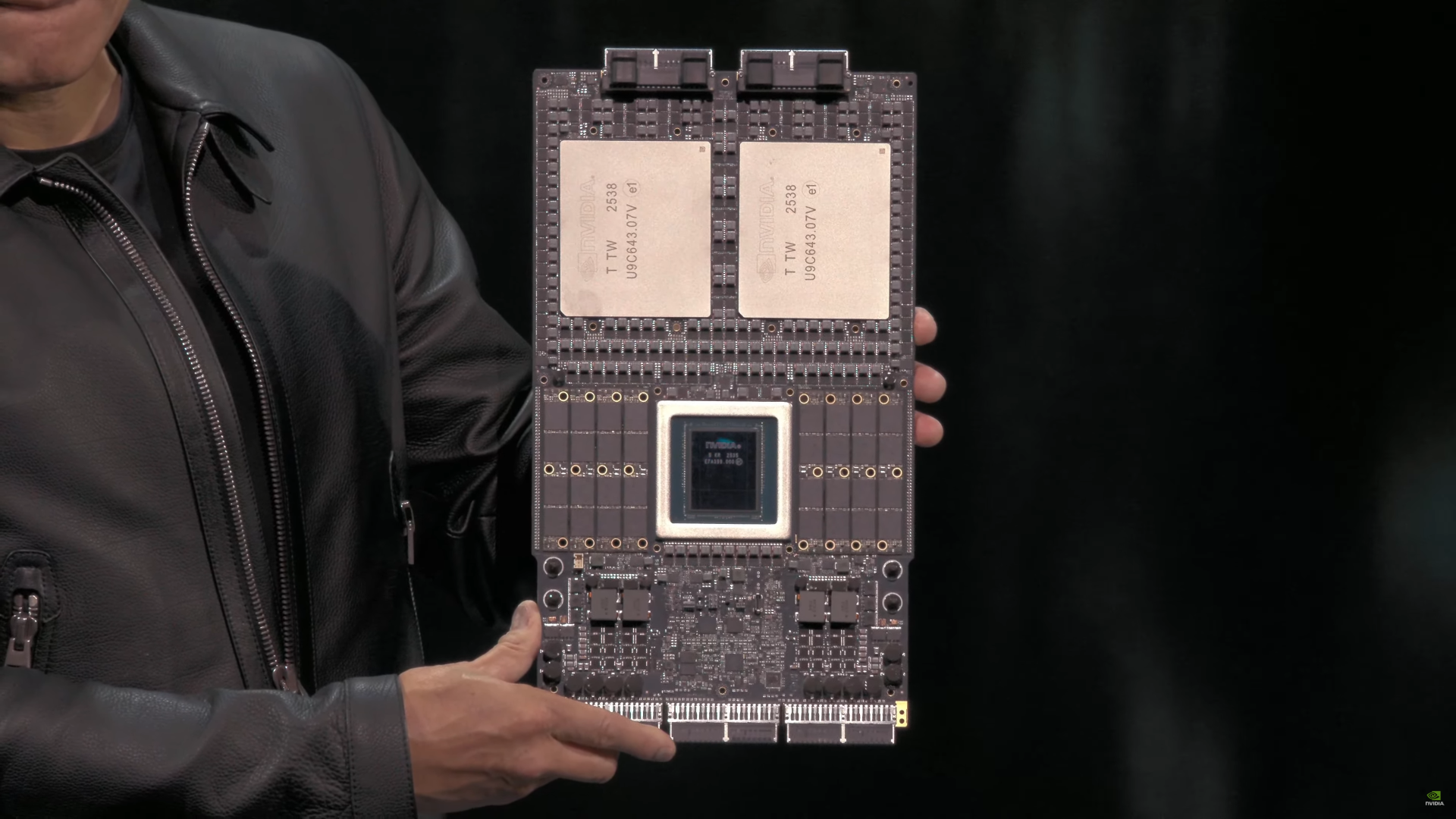
- Architecture: Features a custom AI accelerator chip optimized for power efficiency while delivering high performance.
The implications for the smartphone supply chain are immediate. Manufacturers will need to secure larger allocations of LPDDR5X and future memory generations, potentially leading to higher production costs and shortages if demand outpaces supply. Rubin's memory hunger could also force a reevaluation of battery life expectations, as increased processing power often translates to shorter runtime during intensive tasks.
For users, the trade-offs will be clear: faster, more responsive AI features with the cost of reduced battery efficiency. Gamers may experience real-time graphics enhancements and adaptive frame rates, but general productivity tasks could see performance dips if software isn't optimized for Rubin's architecture. The platform's success will depend on whether NVIDIA can prove that these benefits outweigh the drawbacks.
While no official pricing or release window has been announced, industry observers expect Rubin to become a standard in premium smartphones by 2027. Its impact will extend beyond just hardware—it may also accelerate the shift toward more specialized AI chips, challenging traditional CPU/GPU designs and reshaping how mobile devices are built.