Nvidia’s attempt to control the chaos of GPU pricing may have just collapsed. Sources close to the industry suggest the company has quietly discontinued its Open Price Program, a financial incentive system meant to discourage add-in board (AIB) partners from inflating prices above manufacturer-suggested retail prices (MSRP). Without it, the last remaining lever to prevent runaway markups has vanished—just as demand for AI-accelerated GPUs surges and memory shortages deepen.
The program, if it existed, functioned like a cash rebate for AIBs that adhered to MSRP. By rewarding compliance, Nvidia aimed to flood the market with cards priced fairly at launch. But with the program now reportedly dead, the stage is set for a pricing freefall—one that could push RTX 50-series GPUs into territory far beyond their listed prices.
For years, Nvidia’s MSRP has been a fiction for most buyers. At launch, the RTX 40-series followed a familiar script: AIBs released a handful of MSRP models for reviewers, only to see them vanish within hours. The rest? Scalped into oblivion. Now, even that thin veneer of stability is gone. Industry contacts suggest the RTX 5080—already a niche product—could see price hikes of 40% to 50%, while the RTX 5070 Ti, once a mid-range staple, may become a relic as Nvidia prioritizes yields for its more expensive sibling.
The RTX 5080’s precarious future
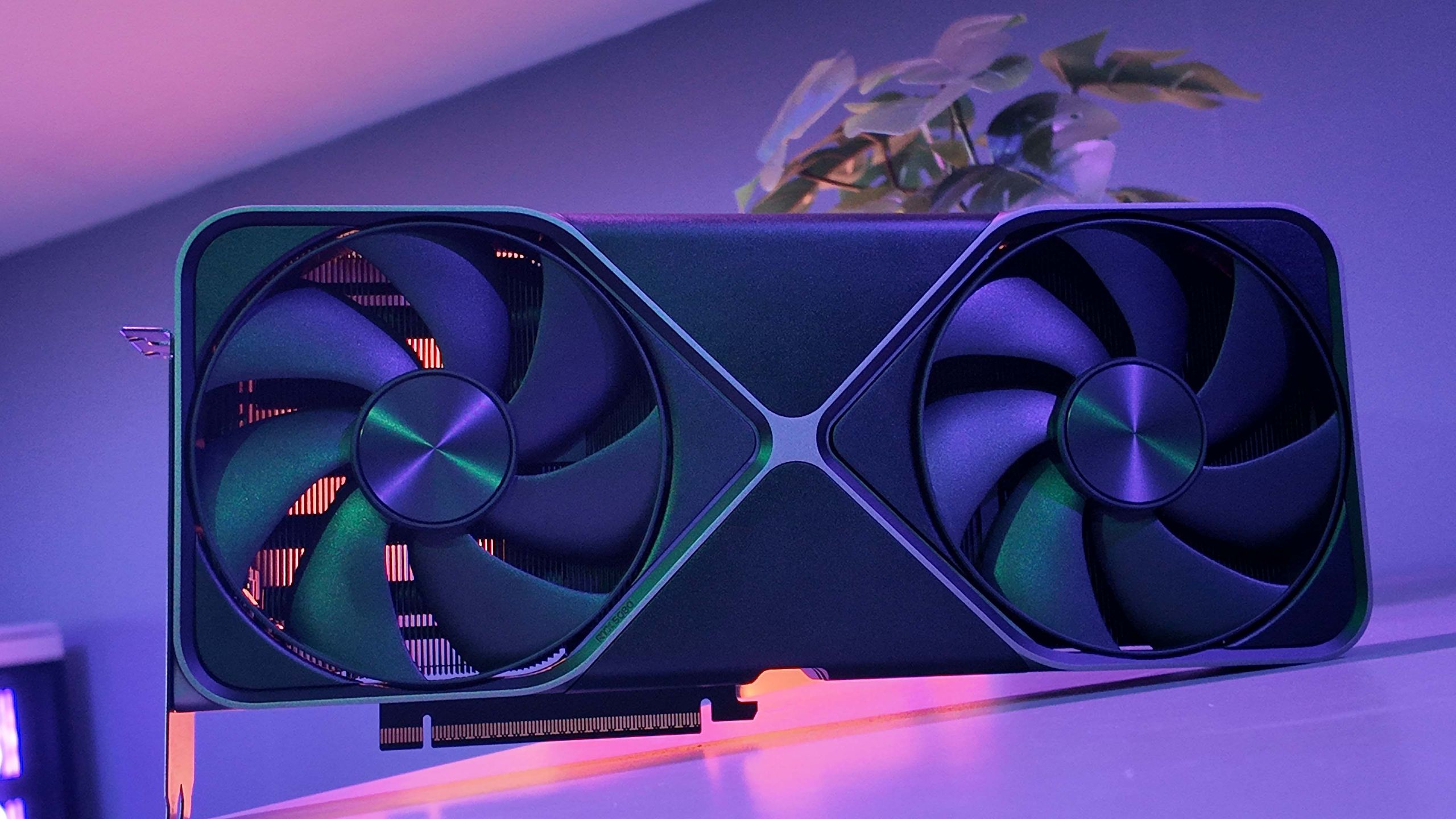
The RTX 5080 and RTX 5070 Ti share the same GB203 silicon, but Nvidia’s production priorities are clear: The 5080 wins. Sources indicate the company is now allocating nearly all full dies to the higher-end model, leaving the 5070 Ti with whatever scraps remain. That shift alone could cripple supply for the mid-range card, but the death of the Open Price Program removes any incentive for AIBs to keep it affordable.
Add to that the lingering memory crisis, and the math is brutal. The RTX 50 Super series—meant to bridge the gap between the 40-series and 50-series—never materialized, further tightening an already strained market. With AI workloads consuming VRAM at an unprecedented rate, the pressure on prices will only intensify.
A self-inflicted wound?
Nvidia’s move may have been inevitable. The Open Price Program was likely a temporary fix, designed to stabilize prices during launch chaos. But in an era where AI training rigs are outbidding gamers for every last stick of GDDR6, the program’s usefulness has expired. The company now faces a choice: Watch AIBs gouge prices or risk alienating partners by enforcing stricter controls—neither a sustainable path forward.
For consumers, the message is simple: The days of MSRP being anything more than a suggestion are over. The RTX 5080’s price could soon reflect its true market value, while the 5070 Ti may disappear entirely. In the battle for GPU supremacy, Nvidia’s latest decision ensures the fight will be fought with one hand tied behind its back.