Premium laptops are about to get a major upgrade. Chinese display manufacturers are accelerating their production schedules to equip rival MacBook Pro models with next-generation OLED screens, aiming to challenge Samsung's dominance in this space.
The shift is not just about visual quality; it’s about efficiency and performance per watt. These new OLEDs promise brighter, more vibrant images while consuming less power and generating less heat. For developers and power users, this could mean longer battery life and cooler operating temperatures, even during intensive workloads.
- Next-generation OLED displays for premium laptops are in development, with a focus on efficiency and thermals.
- Chinese manufacturers are pushing production schedules to compete with Samsung's established OLED solutions.
- Expected improvements include better brightness, lower power consumption, and reduced heat output.
- Developers will benefit from cooler operating temperatures and longer battery life during demanding tasks.
The push for OLED adoption in high-end laptops is part of a broader trend toward more efficient displays. Traditional LCD panels, while reliable, often struggle with power efficiency and heat dissipation, especially under heavy use. OLEDs, on the other hand, can offer deeper blacks, higher contrast, and better energy efficiency, making them ideal for devices that demand both performance and portability.
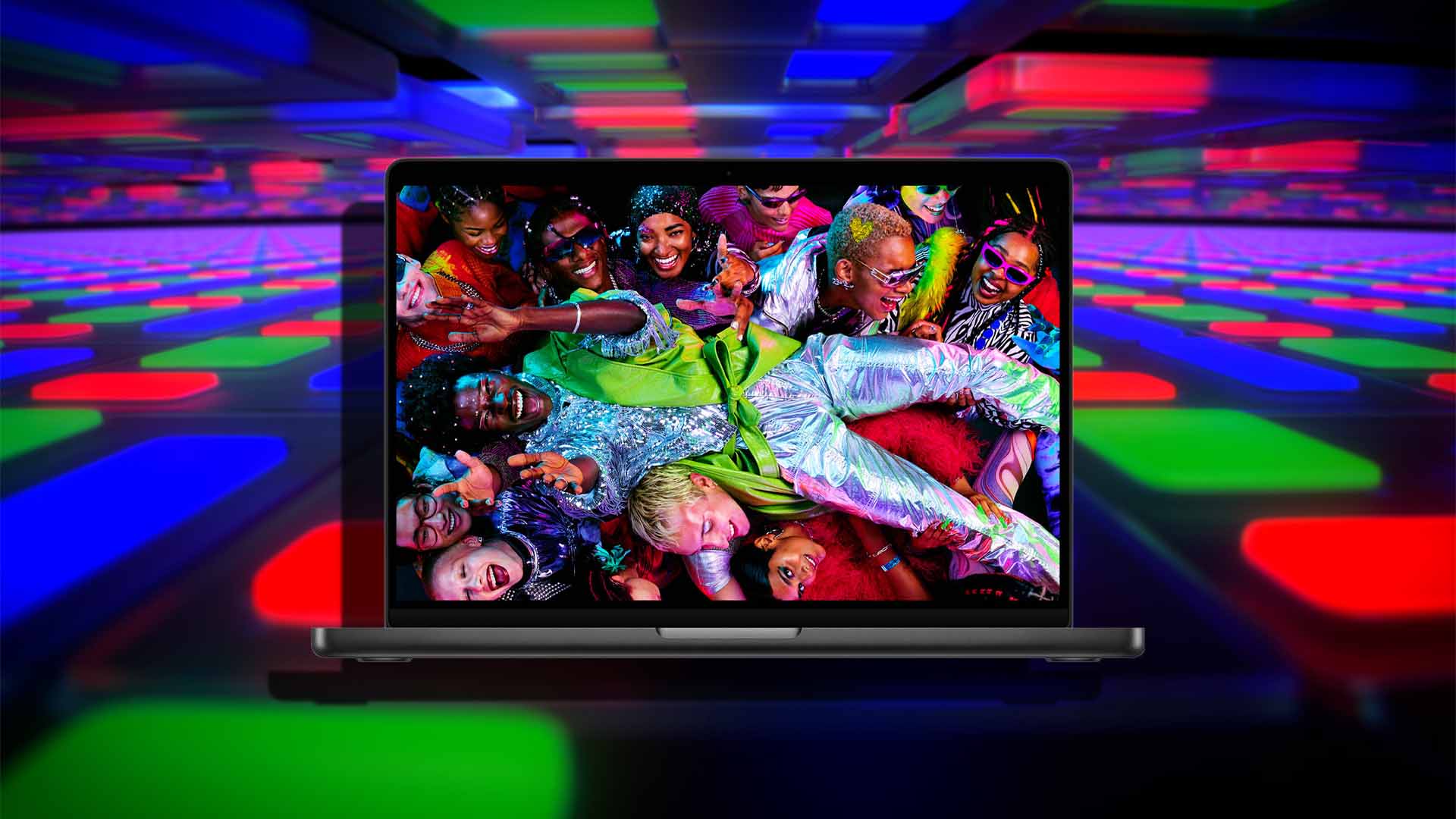
One of the key advantages of these new OLED displays is their ability to maintain performance without significant heat buildup. This is particularly important for laptops, where thermal management has long been a challenge. By reducing heat output, manufacturers can extend battery life while also improving the longevity of internal components. For developers running complex simulations or rendering graphics, this could translate to more productive sessions with fewer interruptions due to thermal throttling.
While Samsung remains the market leader in OLED displays for laptops, Chinese manufacturers are closing the gap. Their goal is not just to match Samsung’s offerings but to surpass them in terms of efficiency and cost. If successful, this could lead to a more competitive market, ultimately benefiting consumers with better options and potentially lower prices.
The impact on developers will be noticeable. Cooler operating temperatures mean less strain on hardware, leading to longer device lifecycles and more consistent performance during resource-intensive tasks. Additionally, the improved energy efficiency of OLEDs could result in extended battery life, allowing developers to work for longer periods without needing to recharge.
As these new displays make their way into the market, the focus will be on balancing visual quality with thermal and power efficiency. The race is on to see who can deliver the best solution, but one thing is clear: OLEDs are poised to become the standard for premium laptops in the near future.