Samsung's ongoing labor negotiations are sending ripple effects through the global tech ecosystem, with DDR4 module prices jumping nearly 25% in just seven days. The sharp rise is forcing companies to rethink their supply chain tactics as potential production disruptions loom on the horizon.
DDR4 memory, a cornerstone component for laptops, servers, and data center infrastructure, has become a focal point of concern for manufacturers and IT buyers. Samsung's position as a dominant supplier—known for its high-performance modules—means any slowdown could have cascading effects on product availability and pricing stability.
Market reactions and strategic shifts
The price volatility is already prompting companies to explore alternatives, though industry experts caution that not all options match Samsung's reliability or performance benchmarks. This shift could lead to delays in hardware deployments or require adjustments to existing systems, adding another layer of complexity for IT decision-makers.
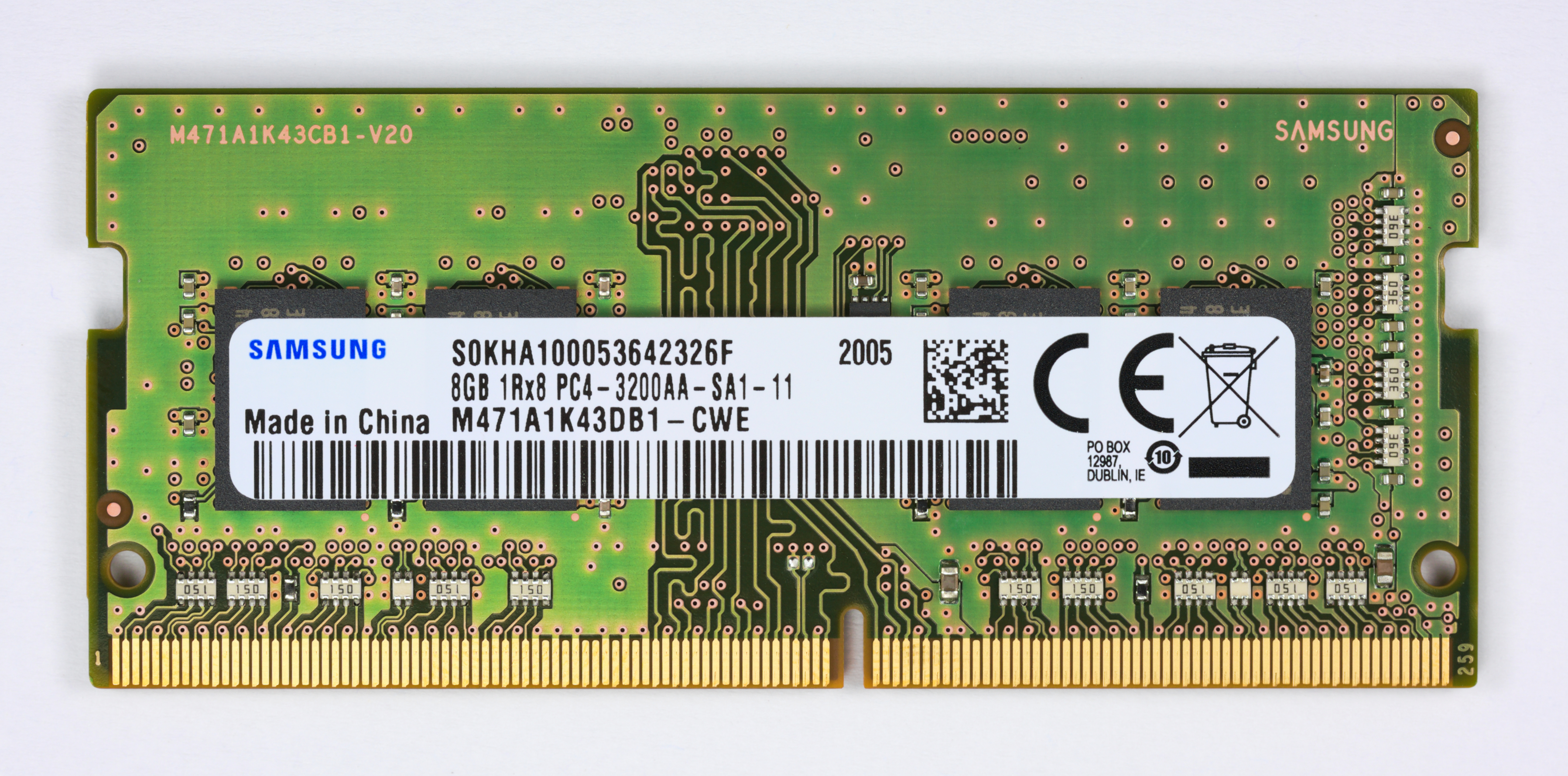
- Samsung's DDR4 modules remain a gold standard, but alternatives may introduce compatibility risks.
- Price fluctuations suggest deeper supply chain fragility if negotiations extend beyond initial expectations.
The situation underscores the need for proactive measures, such as stockpiling, though overordering carries its own challenges—particularly with newer hardware generations. As the timeline for any potential strike becomes clearer, companies will face tough choices in an already constrained market.
This latest development serves as a stark reminder of how vulnerable global tech supply chains remain to labor-related disruptions. With Samsung's role in stabilizing DDR4 supplies under scrutiny, the industry will be watching closely to see whether this episode reshapes long-term procurement strategies or becomes a temporary blip in an otherwise tight market.