OpenAI has announced its first smartphone will run on a custom version of MediaTek’s Dimensity 9600, equipped with dual neural processing units (NPUs) designed to process large language models directly on the device. This architecture is intended to deliver faster, more privacy-preserving AI experiences compared to cloud-dependent alternatives.
The Dimensity 9600 is typically paired with Qualcomm’s Snapdragon chips in many flagship devices, but OpenAI’s version will skip that integration entirely. Instead, it incorporates two NPUs—one for general AI tasks and another tailored specifically for large language models—allowing the phone to run advanced models without offloading work to servers.
- Chipset: Custom MediaTek Dimensity 9600 with dual NPUs (1 dedicated to LLMs)
- CPU: Arm Cortex-X4 (primary core), Cortex-A720, Cortex-A520
- GPU: Immortals G34
- RAM: Up to 16GB LPDDR5X-6660
- Storage: Up to 1TB UFS 4.0
- Display: 6.7-inch LTPO OLED, 2488 x 1104 resolution, 120Hz adaptive refresh
- Cameras: Triple rear (50MP main, 12MP ultrawide, 32MP telephoto), 16MP front
- Connectivity: 5G, Wi-Fi 7, Bluetooth 5.4, USB-C
The dual-NPU design is the most significant departure from existing smartphone chips. While MediaTek’s standard Dimensity 9600 already includes an NPU, OpenAI’s custom version adds a second, specialized unit for large language models. This allows the phone to run inference locally without sacrificing performance or privacy.
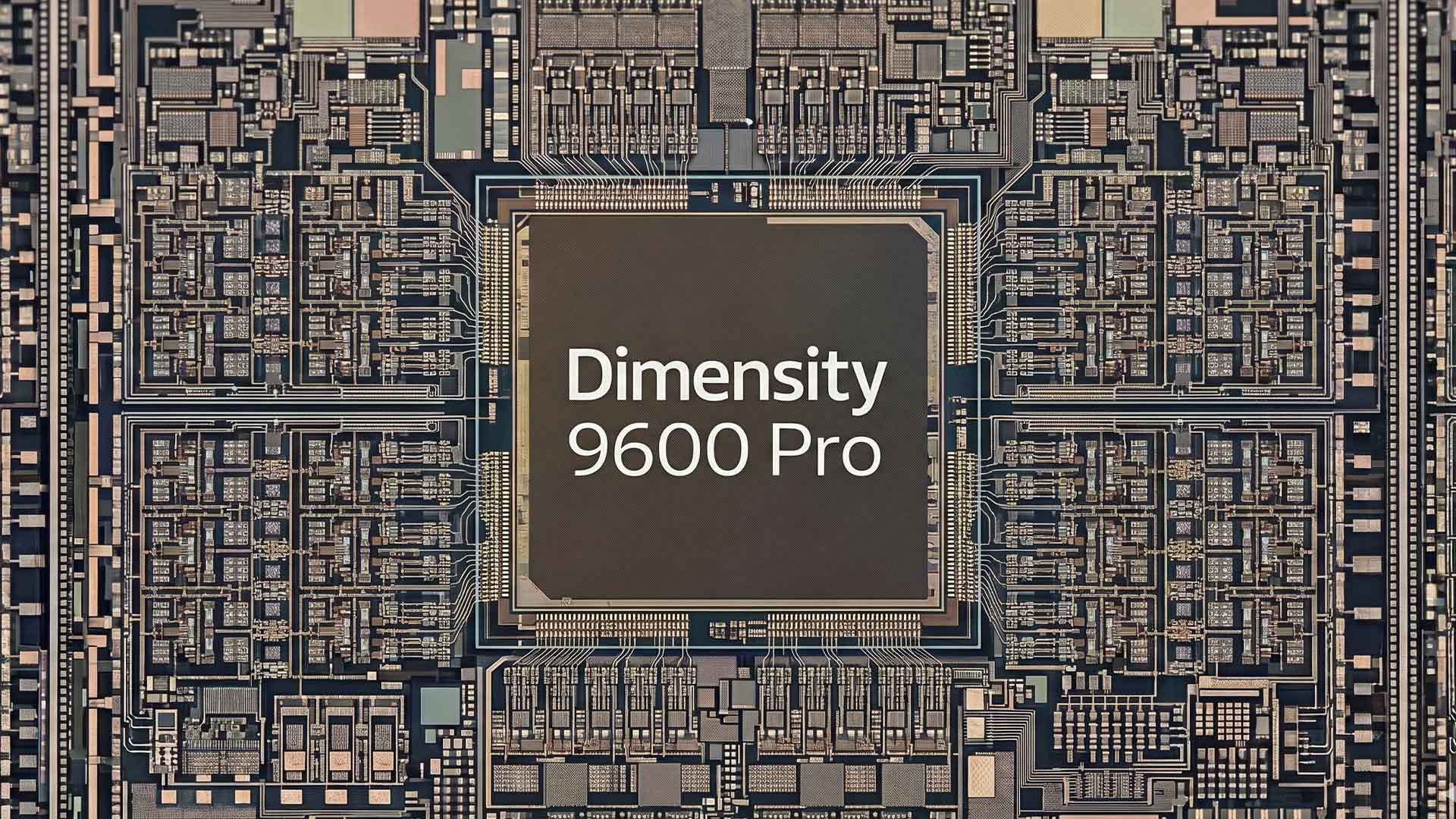
The phone’s hardware is optimized for AI workloads, but it remains unclear whether OpenAI will prioritize on-device processing in its software stack. If so, this could set a new benchmark for mobile AI—one that doesn’t rely on constant cloud connectivity. For now, the focus is on proving the concept: can a smartphone with this architecture deliver real-time, high-quality AI interactions without latency or privacy trade-offs?
The device will challenge Apple’s iPhone in both performance and AI capabilities, but its success hinges on whether OpenAI can translate hardware innovation into a seamless user experience. If it does, this could redefine what mobile devices are capable of—without needing the cloud.