The world’s first DDR5 memory module to feature an ‘Infinity Mirror’ heat sink has arrived, promising a balance of high-speed performance and striking visuals. The XPG NovaKey RGB DDR5 pushes clock speeds to 6,400 MT/s while maintaining stability for both gaming and AI workloads, but its most distinctive trait is the patented optical design that creates a three-dimensional reflection effect.
That’s the upside—here’s the catch: achieving such a bold aesthetic required a tradeoff. The Infinity Mirror design, which mimics an infinite tunnel when viewed from different angles, relies on a heat sink made from 50% recycled aluminum and 85% post-consumer recycled plastic. While this aligns with XPG’s sustainability goals, it also means the module may run slightly warmer under sustained loads compared to traditional heatsinks, though the company insists on rigorous thermal testing to ensure reliability.
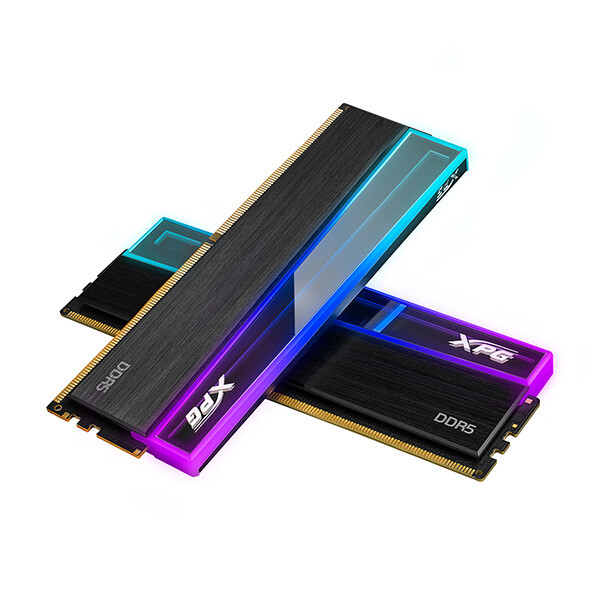
Specifically, the NovaKey DDR5 is available in single and dual-module kits, with capacities of 16 GB or 32 GB per stick. It supports ultra-low latencies down to CL30 and is optimized for Intel XMP 3.0 and AMD EXPO profiles, making it compatible with both mainstream gaming builds and professional workstations. The module’s 10-layer PCB, integrated PMIC, and On-die ECC further reinforce its suitability for demanding tasks like AAA game rendering or on-device AI processing.
The design itself is a study in contrast: matte black metal accents and brushed aluminum finishes ground the module when RGB lighting is off, while the slanted-cut heat sink and geometric silhouette deliver a futuristic look. XPG’s branding here is deliberate—‘Nova’ evokes the explosive energy of a supernova, while ‘Key’ underscores its role as essential hardware for high-performance systems.
What to watch next: The NovaKey DDR5 will be available globally in the coming weeks, with pricing expected to align with premium DDR5 kits. Whether this design becomes a staple in high-end builds remains to be seen, but it signals XPG’s intent to push boundaries beyond raw performance metrics.