Robots moving through a warehouse floor no longer need to choose between speed and accuracy. A new computing platform, built on high-performance hardware, is redefining the balance for physical AI workloads in robotics. This shift is part of a broader trend toward integrating AI more deeply into robotic systems, where real-time decision-making meets the precision required for physical tasks.
At the heart of this development is a platform that combines NVIDIA's latest GPU architecture with specialized software optimized for robotic applications. Unlike earlier generations, which treated AI as an add-on layer, this system treats it as a core component—one that can be trained and deployed without compromising the deterministic behavior robots need to operate safely in physical environments.
More than just compute
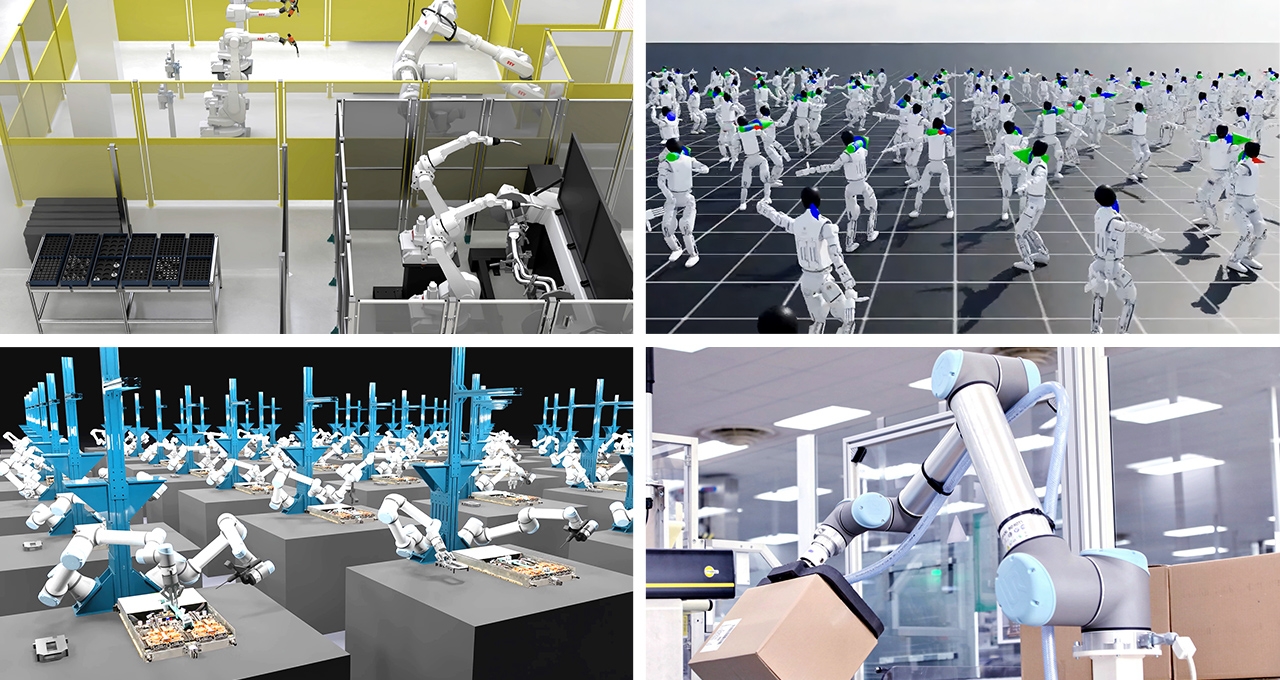
The platform is not just about raw processing power. It includes tools for fine-tuning neural networks specifically for robotic control, allowing developers to adjust models based on the specific dynamics of their hardware—whether it's a mobile manipulator navigating cluttered spaces or an industrial arm performing repetitive tasks with sub-millimeter precision.
- Up to 20 TFLOPS of AI performance with a power efficiency that allows sustained operation in edge robotic systems.
- Support for real-time path planning and obstacle avoidance, critical for autonomous mobile robots (AMRs) in logistics settings.
- Integration with existing robotic frameworks, ensuring compatibility without the need for ground-up redesigns.
This is a notable evolution from previous approaches that relied on cloud-based inference or pre-trained models with limited adaptability. The new platform emphasizes local processing, reducing latency and increasing reliability—factors that matter when a robot must react to an unexpected obstacle in under 10 milliseconds.
A look ahead
For power users building advanced robotic systems, this development lowers the threshold for deploying physical AI without sacrificing control. The combination of high throughput and low latency means that tasks once relegated to specialized hardware can now run on a single platform, streamlining development and reducing the complexity of robotic deployments.
The immediate beneficiaries will be those working in logistics, manufacturing, and warehouse automation, where the need for both speed and precision is non-negotiable. As the ecosystem matures, similar improvements could ripple outward to consumer robotics, but the focus remains on industrial applications where performance margins are tightly constrained.