The ultra-compact display market has entered uncharted territory following the price drop of a once-premium portable monitor. Now priced at just $50, this device has disrupted the traditional monitor landscape, forcing industry players to reconsider what defines value in compact displays.
Originally launched with a premium price tag, the monitor stood out for its portability and performance, offering 13.3 inches of IPS panel real estate, 2560x1440 resolution, and 90 Hz refresh rate—all packed into a device weighing under 700 grams. Its initial cost positioned it as a niche product for professionals who prioritized mobility without sacrificing screen quality. However, the recent price adjustment has opened the door for broader adoption, particularly among developers and creatives who previously balanced portability against cost.
The shift has sparked a quiet but noticeable ripple effect in the market. Traditional monitors, which once dominated the compact display segment with similar or even superior specifications, now find themselves competing on price rather than performance alone. This dynamic is pushing manufacturers to innovate, whether by refining power efficiency, reducing weight, or integrating more versatile connectivity options.
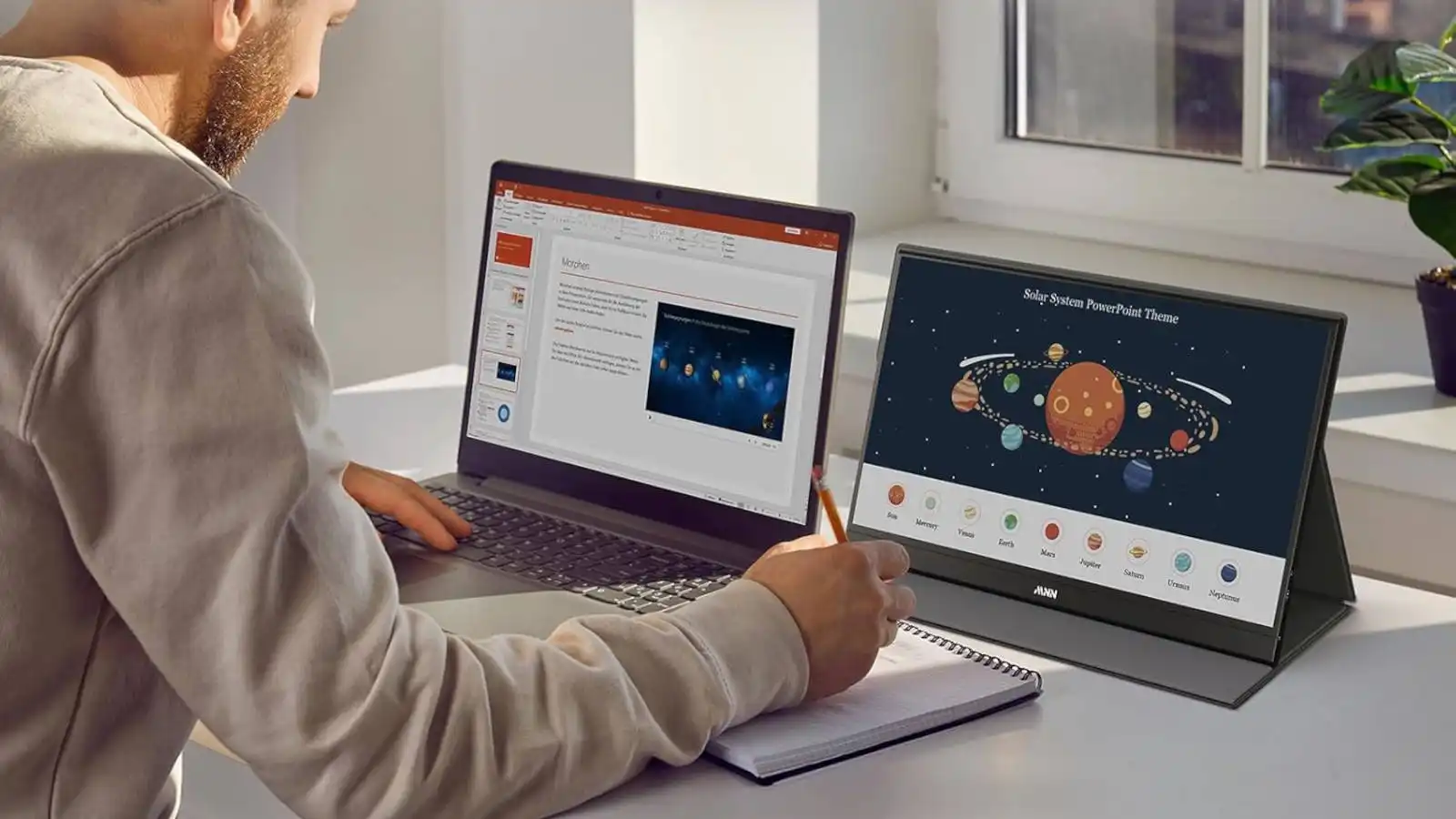
Developers, in particular, are navigating a new landscape where the line between portable and stationary displays has blurred. The $50 price point makes it feasible to use such monitors as secondary screens or even primary displays for tasks that don’t demand high-end graphics performance. However, this also means that users must now weigh the trade-offs more carefully—portability and affordability come with limitations in terms of brightness, color accuracy, or durability compared to their stationary counterparts.
Community reaction to the price drop has been a mix of cautious optimism and practical scrutiny. There’s a sense of opportunity for those who had previously dismissed portable monitors as too expensive or impractical, but there’s also a growing awareness that the new price point may not suit every use case. For instance, professionals working with demanding visual tasks—such as video editing or 3D modeling—might still find the limitations of a compact, budget-friendly display restrictive. Meanwhile, casual users and students are embracing the affordability, seeing it as a viable alternative to laptops for light productivity.
The market’s evolution is also prompting conversations about what comes next for portable displays. Will manufacturers double down on performance within the same price bracket? Or will they focus on refining form factors to make these devices even more versatile? One thing is clear: the $50 barrier has been broken, and the industry is left to figure out how to sustain this momentum without compromising quality or innovation.