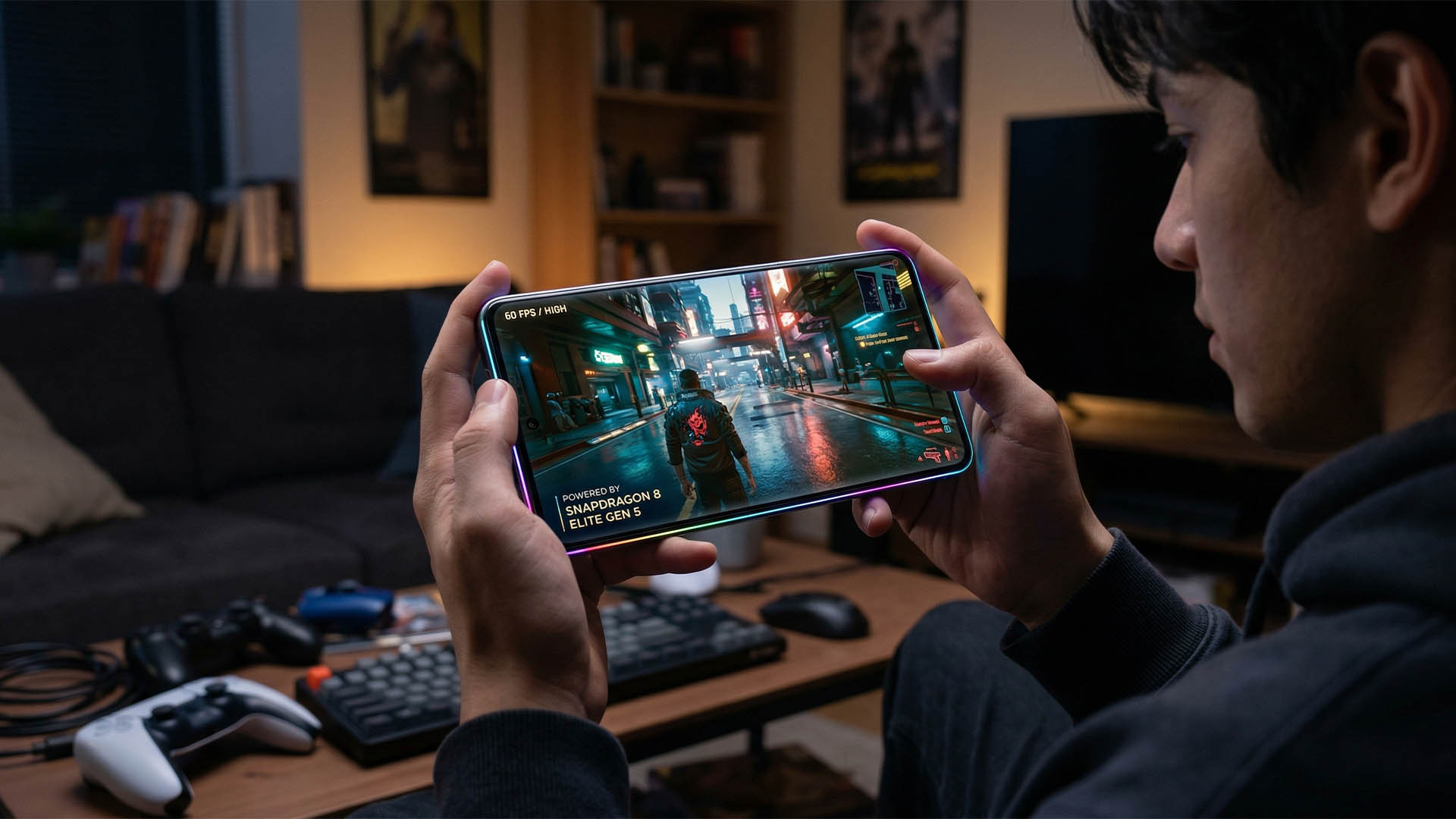
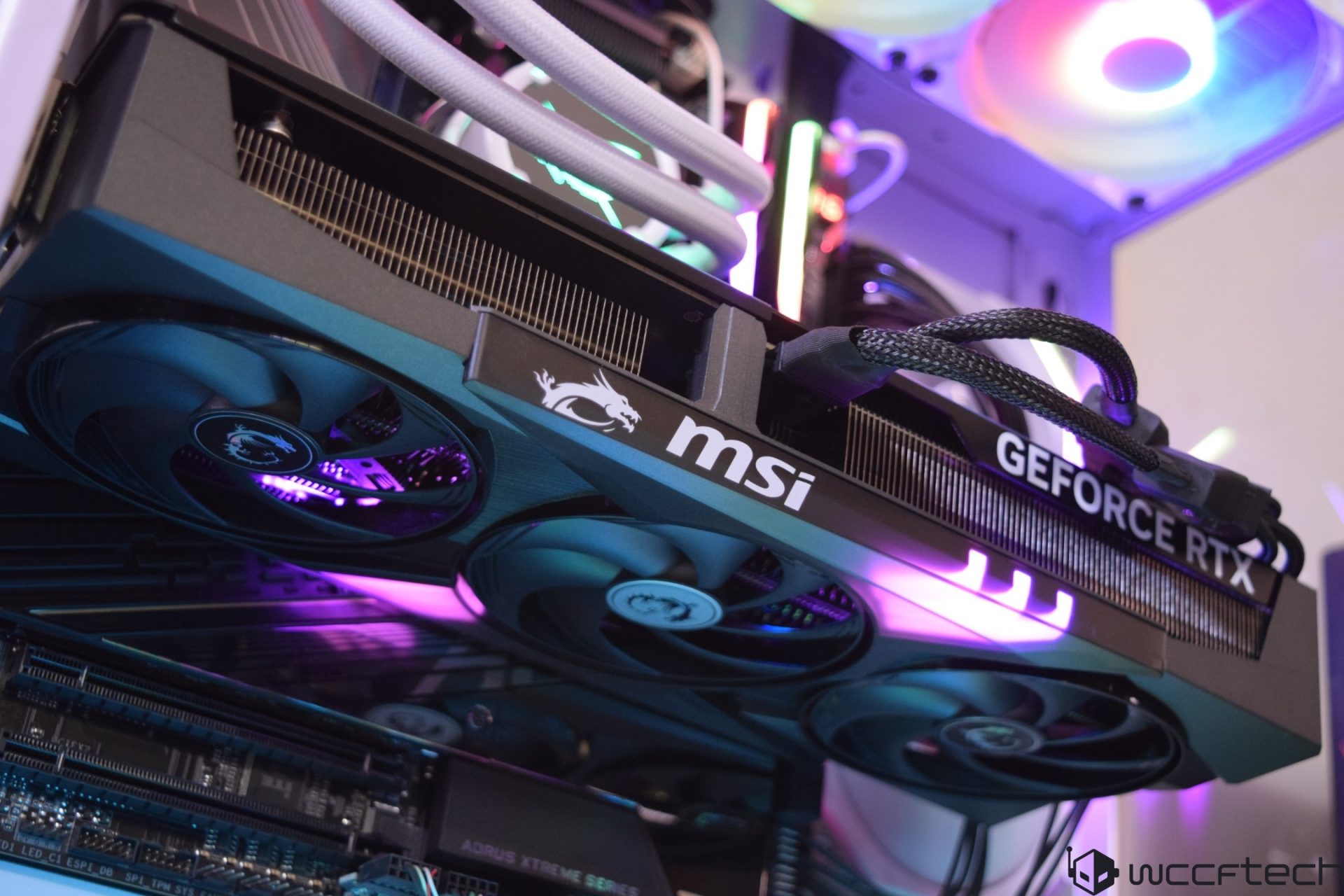
Gamers often face a simple choice: stick with what works or jump to a newer model that promises more power but comes with unknown caveats.
ASUS’s latest laptop iteration delivers noticeable improvements in performance and battery efficiency, yet the practical impact on daily workflows remains a question mark. The new model steps up from its predecessor with faster processors, more efficient cooling, and an upgrade to 16 GB of LPDDR5 RAM—standard for mid-range gaming laptops today. However, whether these changes translate into smoother gameplay or longer sessions without thermal throttling is still unconfirmed.
Performance gains are the most straightforward part of the story. The new laptop’s CPU and GPU combination pushes benchmarks higher than before, but real-world scenarios—especially during extended gaming sessions—can be unpredictable. Users report that while synthetic benchmarks look strong, sustained performance under load can dip, leaving room for doubt about whether the upgrade is truly worth it.
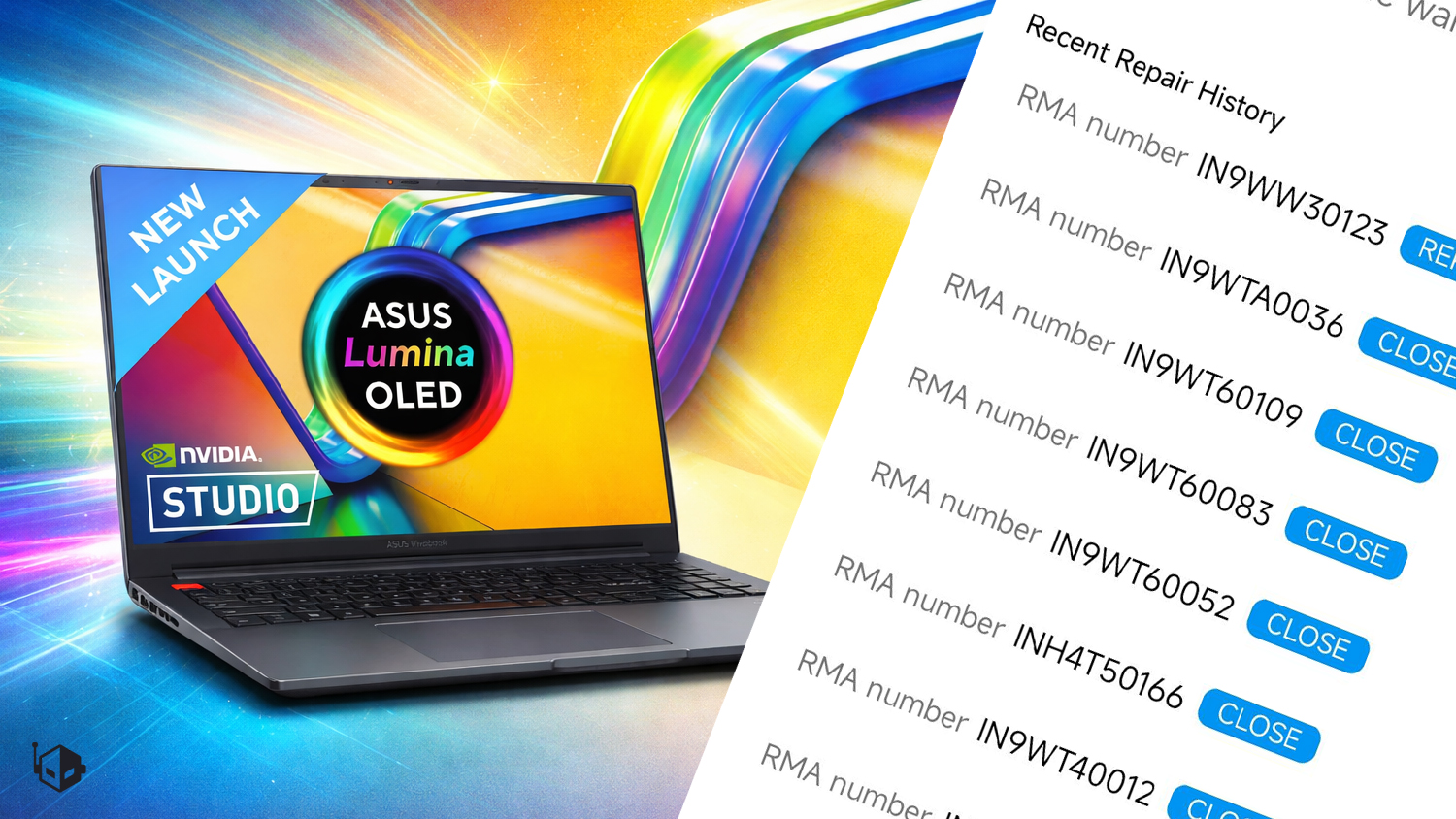
- Key Upgrades:
- Faster CPU and GPU with improved single-threaded performance
- 16 GB LPDDR5 RAM (up from 8 GB in previous models)
- Better thermal management, reducing heat under prolonged load
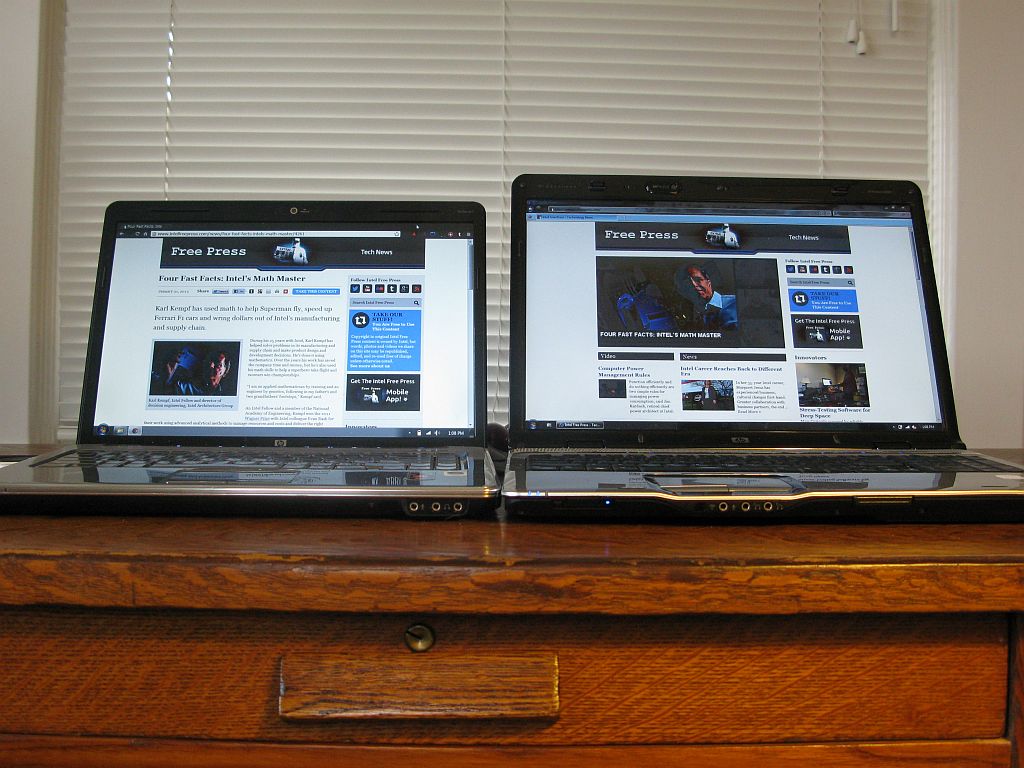
- Larger 14-inch display with higher brightness for better visibility in dim lighting
The biggest uncertainty lies in reliability. While the new model introduces hardware improvements, anecdotal reports suggest that some users experience persistent issues even after multiple replacement requests. Whether this is an isolated case or a broader pattern remains unclear, but it raises questions about long-term durability and customer support responsiveness.
For gamers weighing whether to upgrade, the decision hinges on two factors: immediate performance gains and long-term reliability. The hardware specs are undeniably stronger, but real-world usage—especially under stress—could still leave room for improvement. Without official confirmation on widespread issues or their resolution, the upgrade remains a calculated risk rather than a guaranteed leap forward.