RAM shortages have reached a critical point where thefts are no longer focused on entire PCs but specifically target high-value memory modules. The escalating demand and limited supply have pushed prices to record highs, making RAM one of the most lucrative components for thieves.
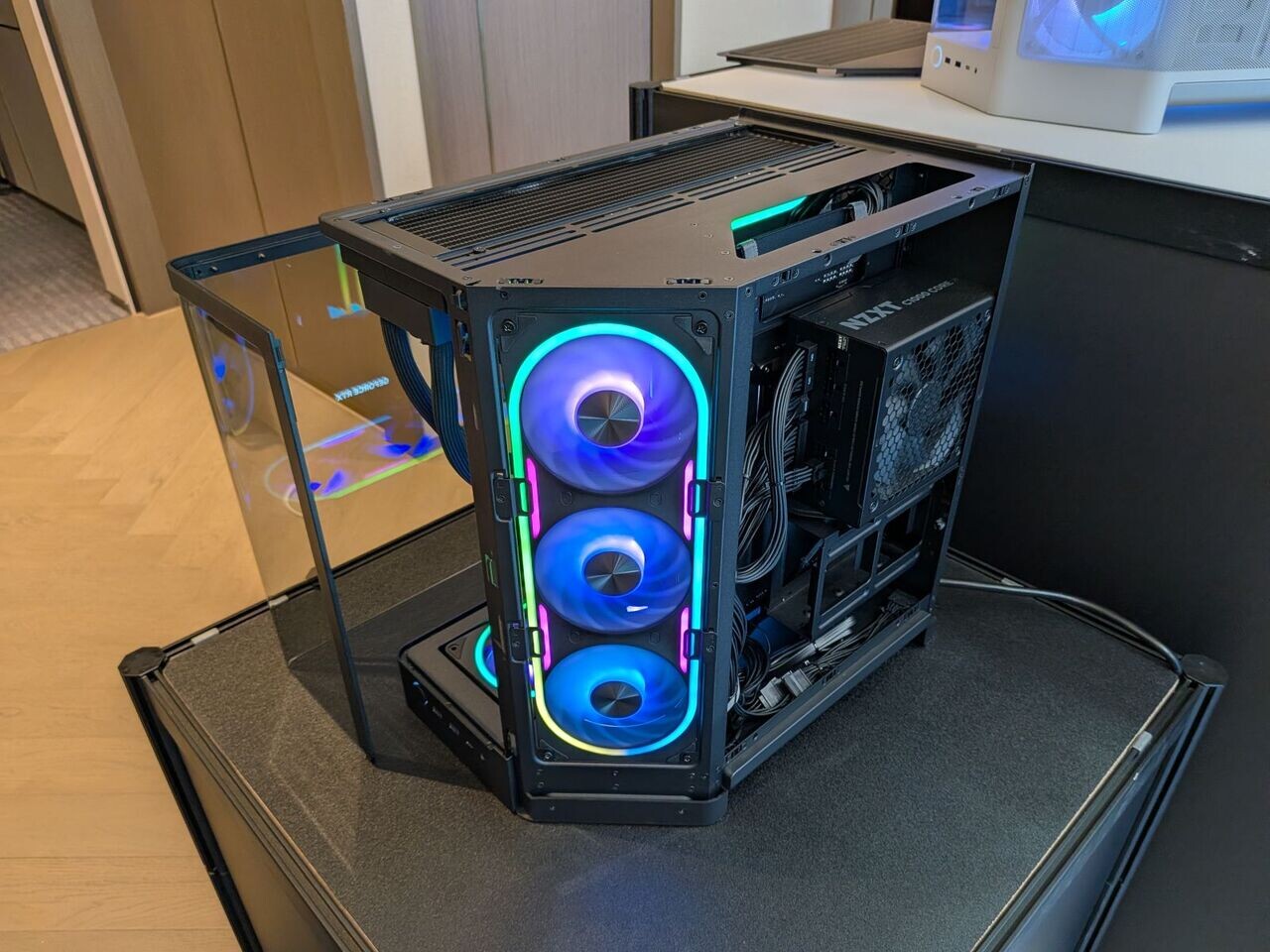
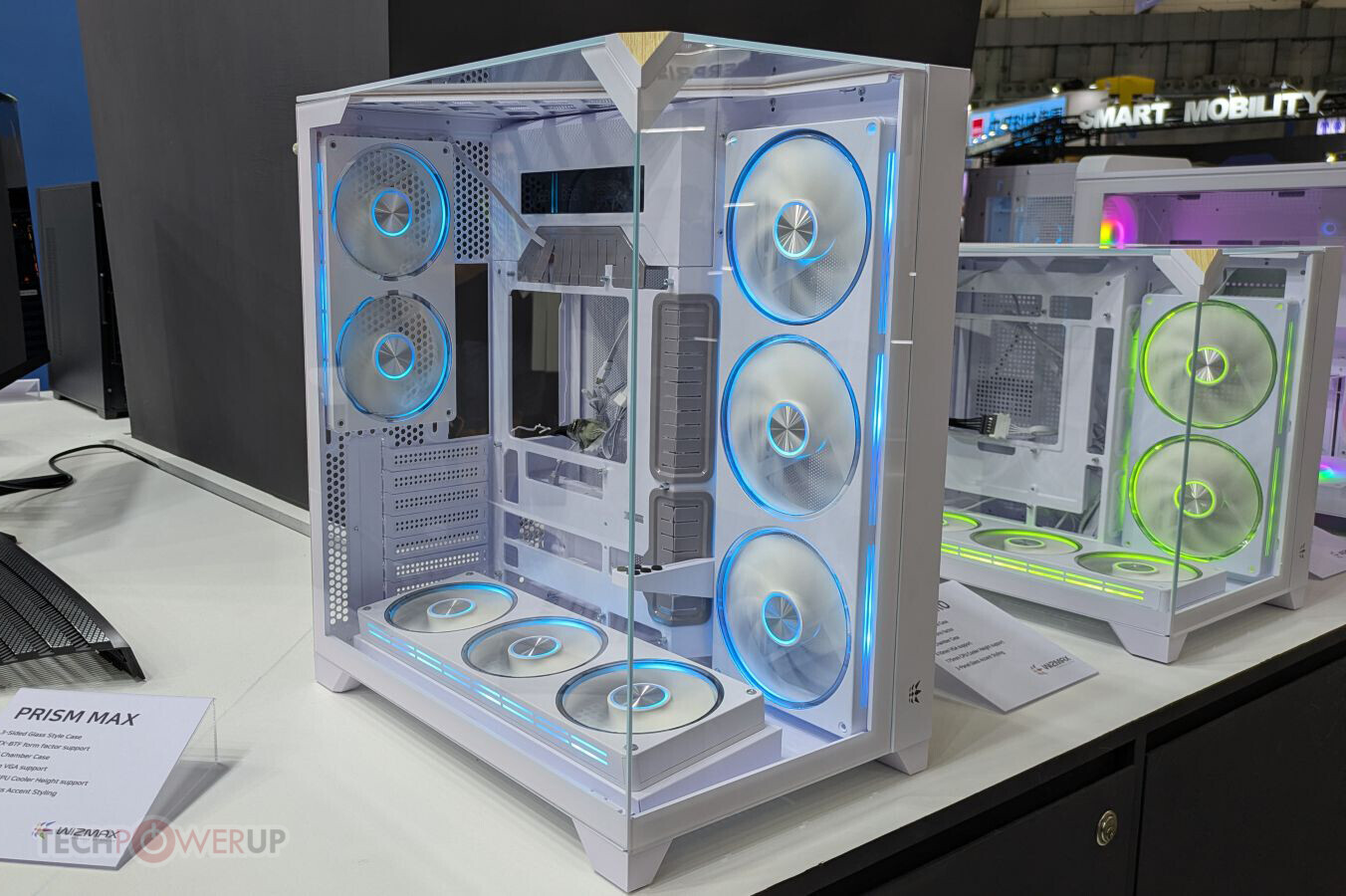
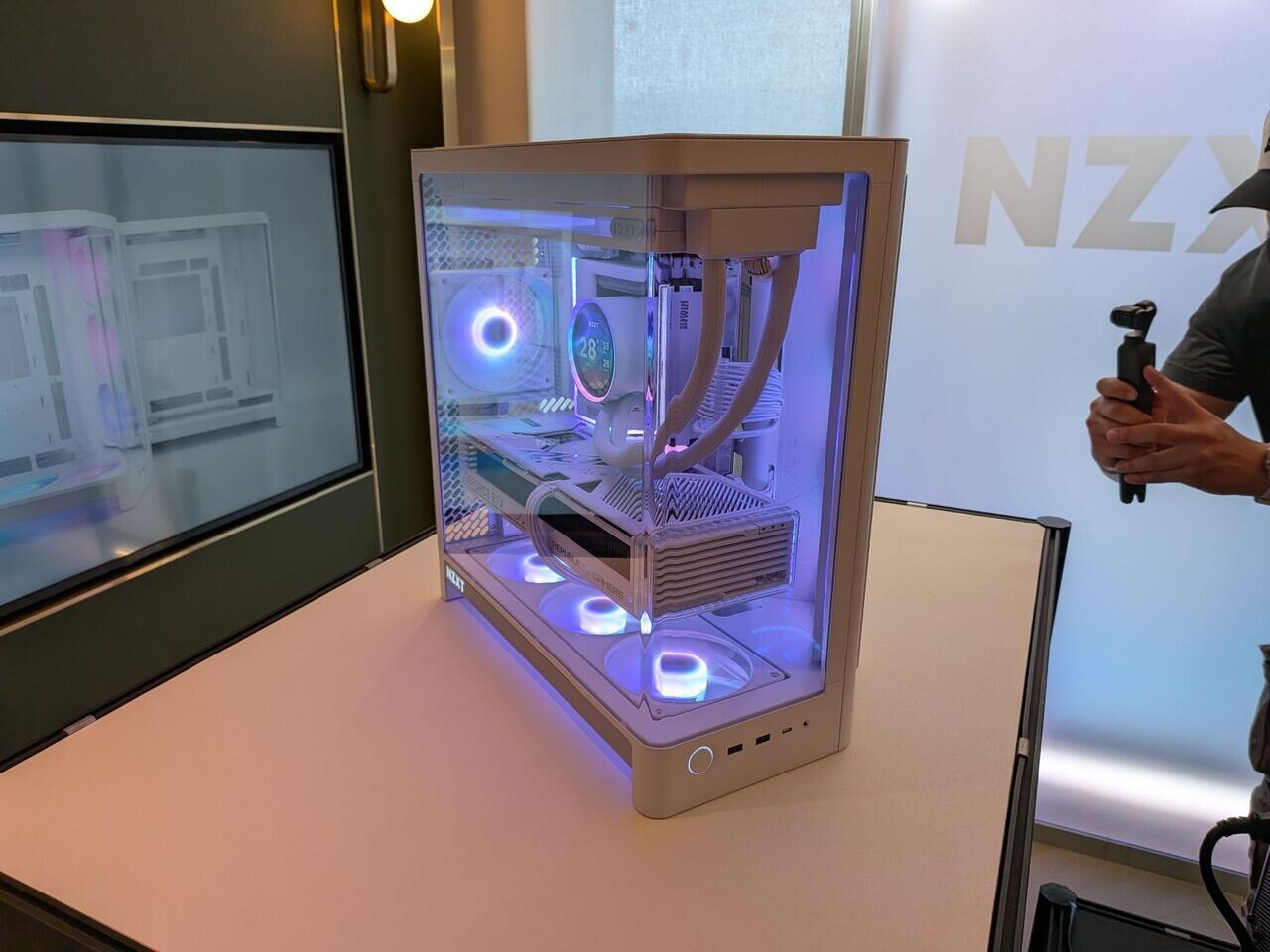
In a recent incident reported in a Korean public forum, an intruder broke into an office and stole four 32 GB Micron DDR5 memory modules by smashing the tempered glass of a PC case. The theft underscores the economic incentive behind such acts, as a single 256 GB RAM module is now being sold for thousands of dollars in retail markets. This surge in pricing is significantly outpacing other hardware components, driven by ongoing DRAM shortages that show no signs of easing.
Insurance companies are facing challenges in compensating for the stolen modules due to the inflated market value. The practical impact of this situation extends beyond theft, affecting system builders and consumers who rely on DDR5 memory for high-performance computing tasks. The theft also raises concerns about the security of valuable components, as thieves find it more efficient to target specific parts rather than entire systems.
Industry experts, including representatives from Micron, have warned that RAM shortages are expected to persist well beyond 2028, despite significant investments in manufacturing capacity. This prolonged shortage is projected to affect not only PCs but also other electronic devices, including TVs and home appliances. The situation has become so severe that memory suppliers are reportedly prioritizing a limited number of PC manufacturers, further exacerbating the supply chain issues.
The theft incident serves as a stark reminder of the economic pressures driving these market conditions. As RAM prices continue to climb, the potential for more such incidents increases, posing challenges for both security and accessibility in the hardware market.