The Raspberry Pi 5 has become the latest victim of the ongoing semiconductor crunch, with its price set to rise by $100—a move that underscores the fragility of supply chains for even small-scale embedded devices. The foundation is quietly acknowledging that the jump from $50 to $60 for the base model reflects not just inflation but a fundamental shift in how the board is assembled.
At the heart of the change lies a rethinking of memory allocation. Earlier generations of Raspberry Pi boards relied on a single 4 GB LPDDR4 chip, but the Pi 5’s more demanding workload—faster CPU cores, improved GPU performance, and expanded I/O capabilities—has pushed the team to adopt dual-channel LPDDR5. The result is a board that technically offers more bandwidth, but one that now carries a higher price tag due to the scarcity of LPDDR5 modules.
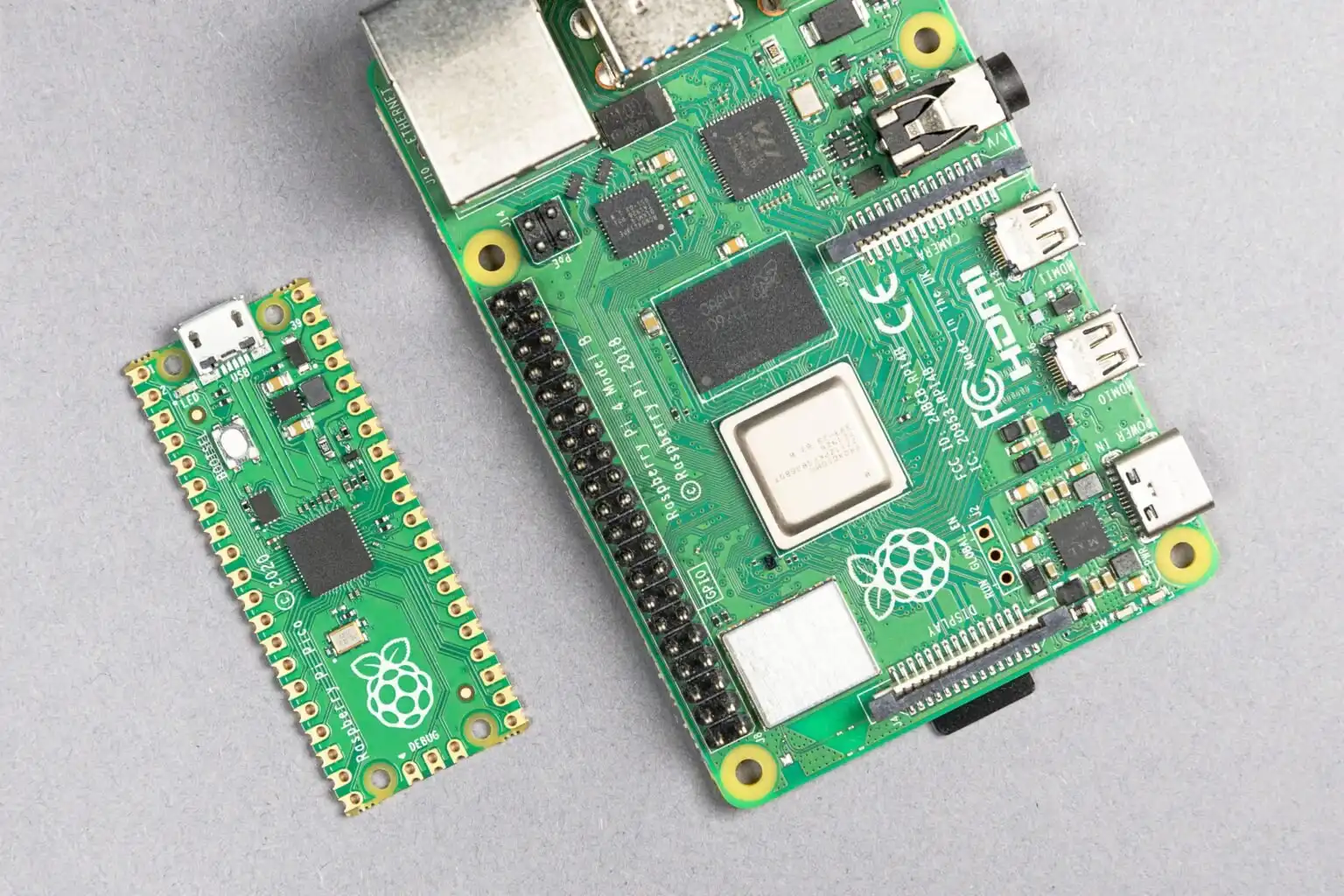
This isn’t just about cost; it’s also about compatibility. Developers who built projects around the original Pi 4’s memory profile may find themselves facing unexpected constraints. The shift to LPDDR5, while more efficient for modern workloads, means that legacy software or tightly optimized code could encounter bottlenecks if not adjusted. The foundation has been careful not to promise backward compatibility in performance terms, leaving it to users to adapt.
Looking ahead, the Raspberry Pi 5’s roadmap remains unchanged, but the price hike introduces a new variable for hobbyists and educators who rely on bulk purchases. Whether this becomes a permanent adjustment or a temporary response to market pressures is still unclear, though the foundation has hinted that they’re exploring ways to mitigate long-term costs without sacrificing performance.
For now, the $60 price point feels like a cautionary tale for the industry: even the most beloved platforms aren’t immune to the ripple effects of global chip shortages. The question is whether users will see this as an upgrade worth the extra cost—or just another reminder that the ‘always affordable’ era may be over.