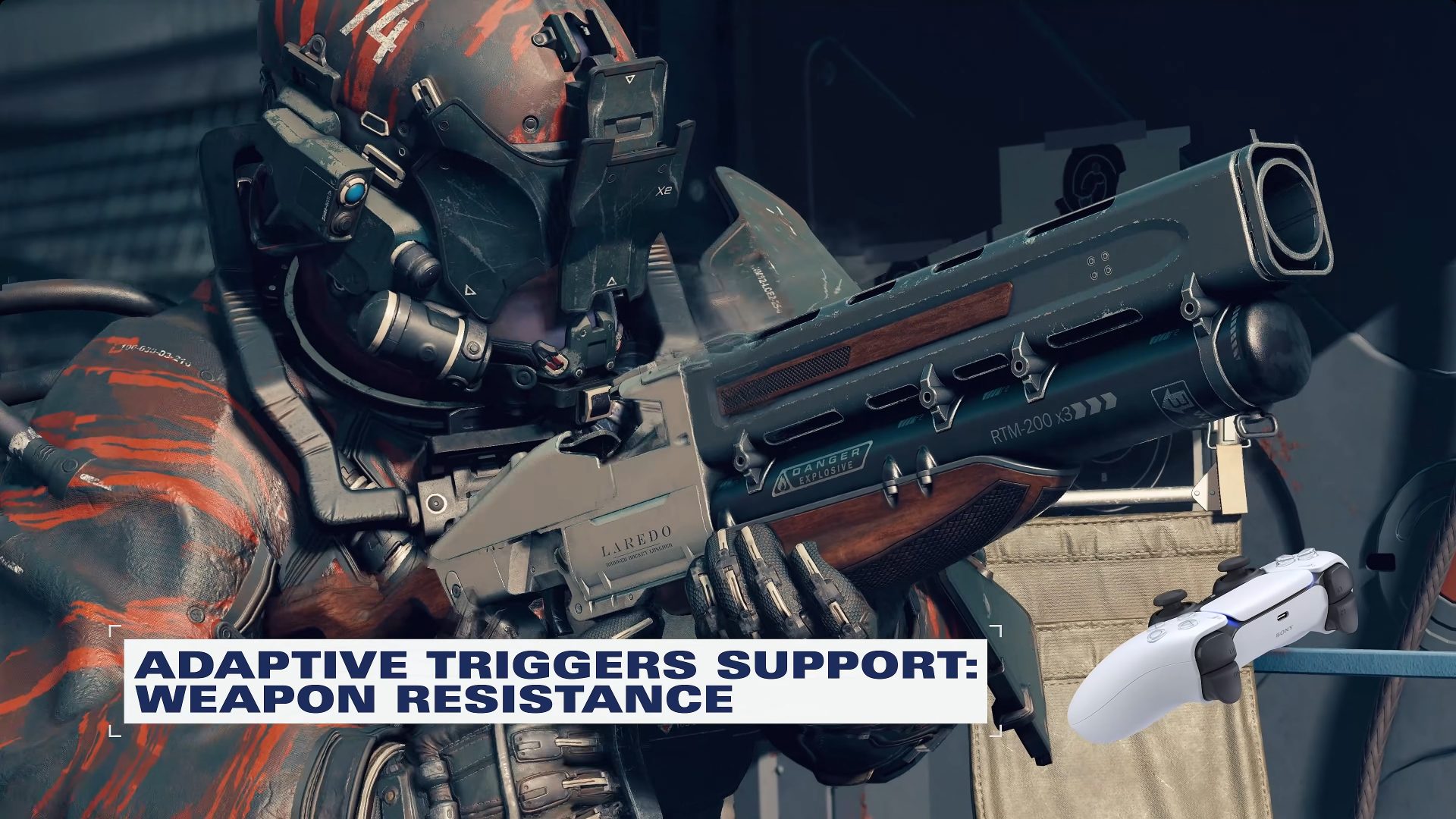
Ex Sanguis arrives at a pivotal moment in PC gaming, where the line between ‘recommended’ and ‘essential’ hardware has blurred significantly. Unlike many titles that offer room for compromise, this game demands precision in component selection—pushing builders toward configurations that may not align with broader industry trends. The result is a scenario where short-term performance gains could come at the cost of long-term adaptability.
Balancing Immediate Performance and Future Flexibility
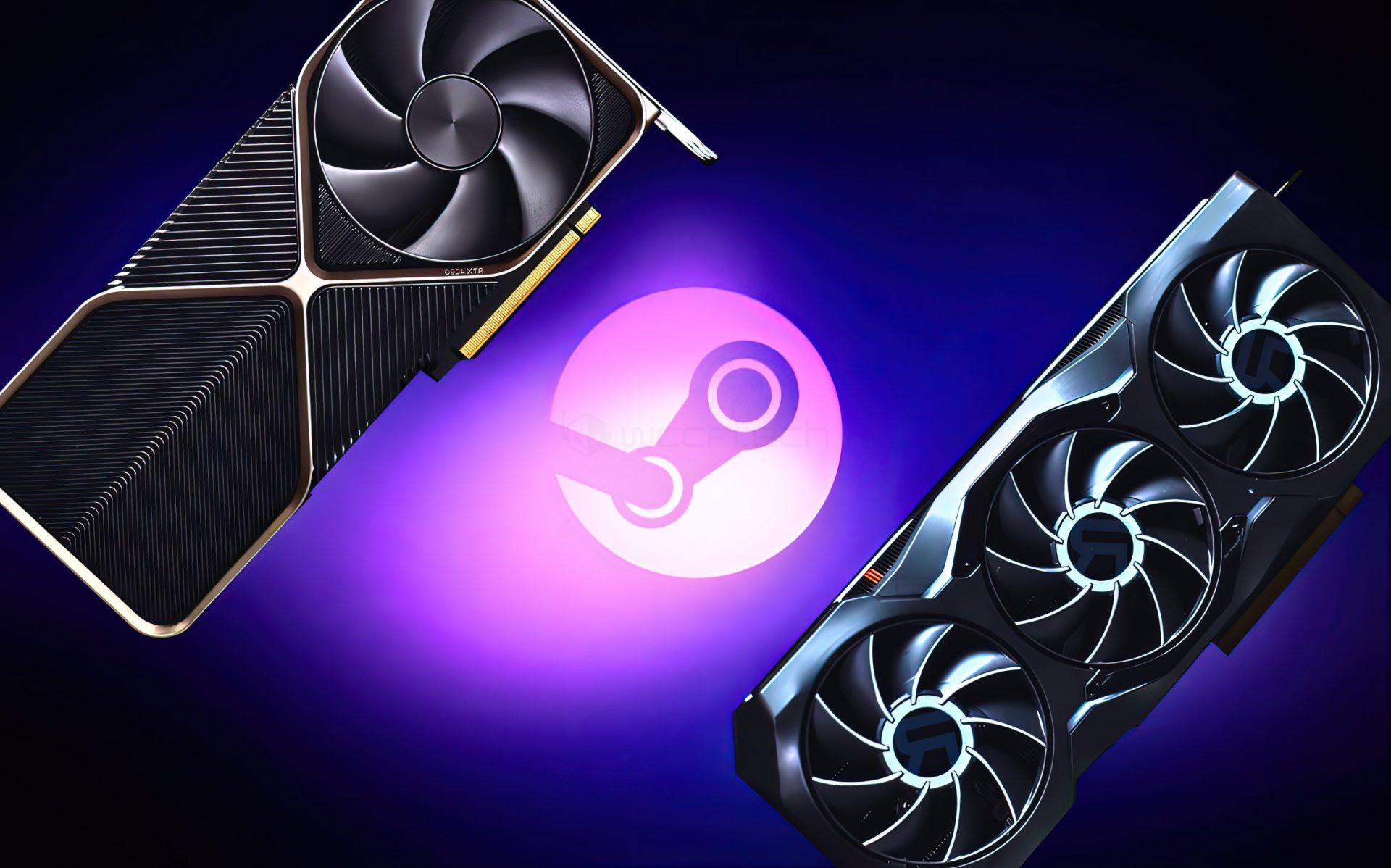
The game’s recommended specifications are designed to deliver a seamless experience, but they also reflect a shift in how developers approach hardware requirements. A graphics card with 8 GB VRAM is no longer just a luxury; it’s increasingly seen as a necessity for smooth performance, even in mid-range builds. This requirement alone could force builders to reconsider their usual component choices, particularly if they’re aiming for systems that can handle not only Ex Sanguis but also other demanding titles on the horizon.
- Key Considerations:
- - Graphics cards with 8 GB VRAM are becoming a standard for high-end performance, even in non-Exclusive titles.
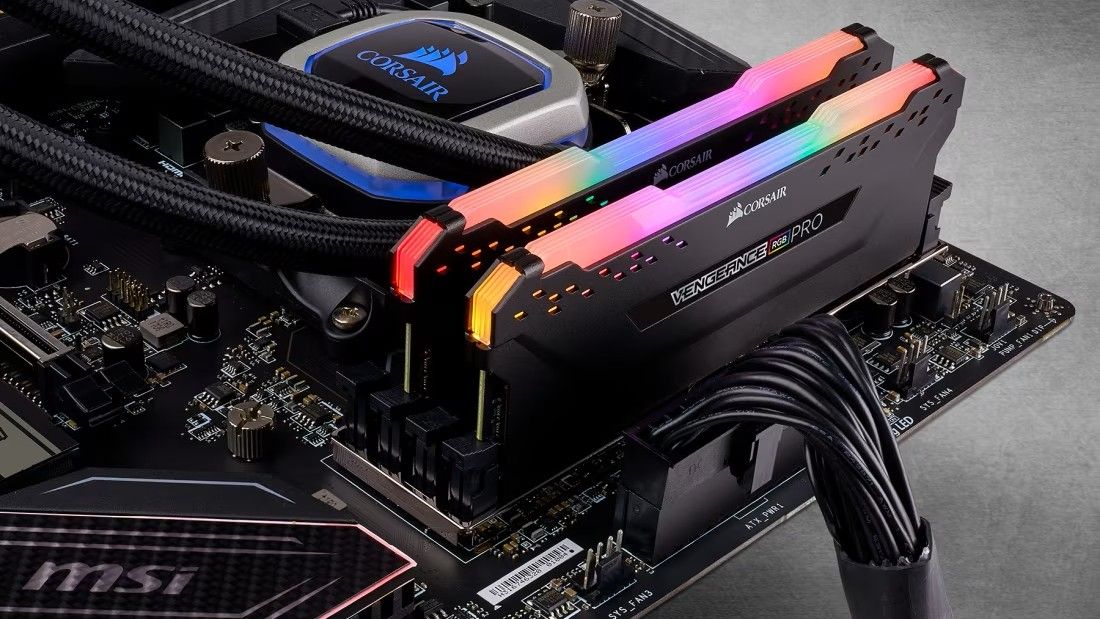
- - DDR4 RAM at 3200 MHz is now a baseline rather than an upgrade, which may limit the benefits of future memory standards like DDR5.
- - NVMe storage is essential, but the lack of clear guidance on whether PCIe 4.0 or 5.0 will be necessary adds uncertainty.
While the minimum requirements are achievable with older hardware, the recommended setup suggests that builders should prioritize components that may not offer as much longevity as they once did. For example, graphics cards with 8 GB VRAM are already being phased out in favor of models with more capacity, which could leave some systems feeling outdated sooner than expected.
The Risk of Premature Upgrades
The absence of a detailed roadmap for Ex Sanguis introduces another layer of complexity. Developers have not indicated whether the game will receive significant updates that require even more powerful hardware in the future. This lack of transparency means builders who invest heavily now might find themselves needing to upgrade again within just a few years—a scenario that could be particularly frustrating given the current market conditions for graphics cards.

Additionally, the emphasis on DDR4 RAM raises questions about how long this standard will remain relevant. While DDR5 is still in its early stages, its adoption is accelerating, and builders who commit to DDR4 now may face compatibility issues or performance bottlenecks if they wait too long to upgrade. This trade-off between current performance and future adaptability is one of the most significant challenges Ex Sanguis presents.
A Broader Industry Challenge
Ex Sanguis is not an isolated case; it reflects a broader trend where games are increasingly demanding more from hardware, often with little regard for long-term compatibility. This shift forces builders to make more strategic decisions about their purchases, balancing the need for immediate performance against the desire for future-proofing.
The game’s focus on high-end components could also influence the market for mid-range graphics cards, potentially making them less attractive for those who want systems capable of handling the latest titles. If developers continue to prioritize games that push hardware to its limits, the gap between mid-range and high-end components may widen, leaving builders with fewer viable options.
Final Considerations
For PC builders, Ex Sanguis represents both an opportunity and a challenge. On one hand, it offers a visually immersive experience that rewards those who invest in the right hardware. On the other, the lack of long-term roadmap information introduces uncertainty about how best to approach upgrades. Builders will need to carefully weigh these factors, ensuring they balance current performance needs with future adaptability.
Ultimately, Ex Sanguis serves as a reminder that PC gaming is no longer just about raw power—it’s about making informed choices that align with both immediate goals and long-term strategy. The trade-offs are more pronounced than ever, but for those willing to navigate them, the rewards can be significant.