NVIDIA’s RTX 50 series GPUs are built around GDDR7 memory that, under normal conditions, operates at reference speeds of 28 to 30 Gbps. The architecture is designed with a strict overclocking limit—typically +3000 MHz—leaving little room for manual tuning beyond what the manufacturer intends. Yet, recent engineering work has shown that this constraint can be bypassed entirely, allowing memory clocks to push well past their rated capacity.
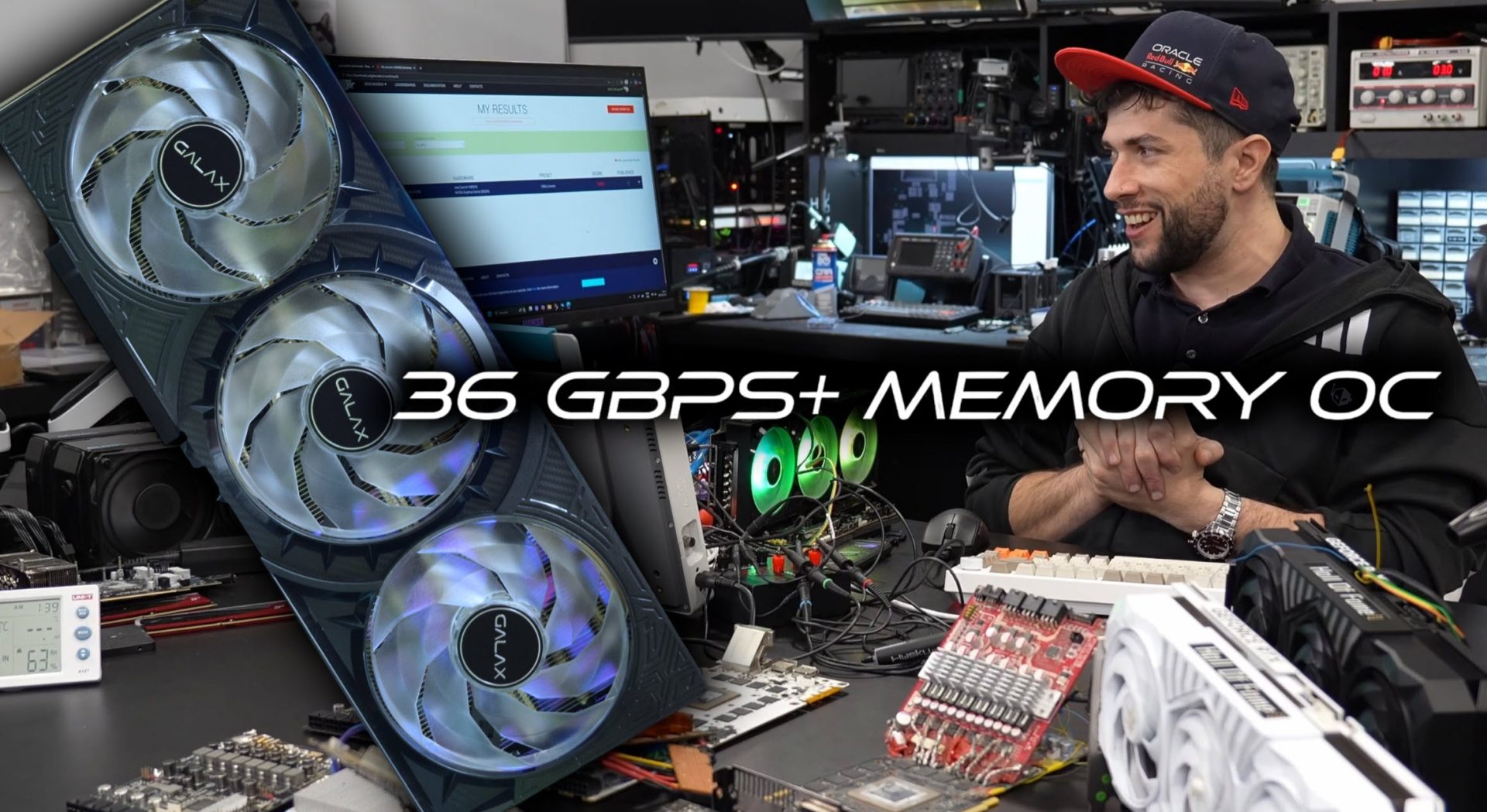
The technique relies on modifying the GPU’s clock management at a low-level logic stage. Instead of simply increasing the overclock profile in software, the approach tricks the GPU into accepting higher frequencies while maintaining stability. In practical terms, this means a card configured for 28 Gbps can effectively run at speeds approaching 36 Gbps—nearly double its baseline performance without hardware changes.
Testing confirms that even entry-level RTX 50 models, such as the RTX 5070 Ti, can achieve these speeds when power limits are fully unlocked. Benchmark results show a significant jump in raw performance: a stock RTX 5070 Ti scores around 9922 points in Unigine Superposition, while the same card with a +3300 MHz GPU overclock and memory pushed to 36 Gbps+ reaches 11993 points—a notable gain without altering the physical memory modules.
That’s the upside—here’s the catch. The mod requires deep hardware knowledge, including disabling multiplexers that monitor power consumption, which can void warranties and stability guarantees. Additionally, while GDDR7 is theoretically capable of higher speeds, current production modules are rated for 28 Gbps, not 36 Gbps. Future memory generations—expected in late 2026 or early 2027—may address this gap, but for now, pushing existing modules beyond their spec remains an experimental edge case.
The technique is not without risks. Unstable clock signals can lead to artifacts or system instability, especially under sustained loads. Engineers emphasize that this approach is meant for advanced users who understand the implications of modifying GPU firmware and power delivery. For most IT teams, sticking to manufacturer-recommended overclocking profiles remains the safer path.
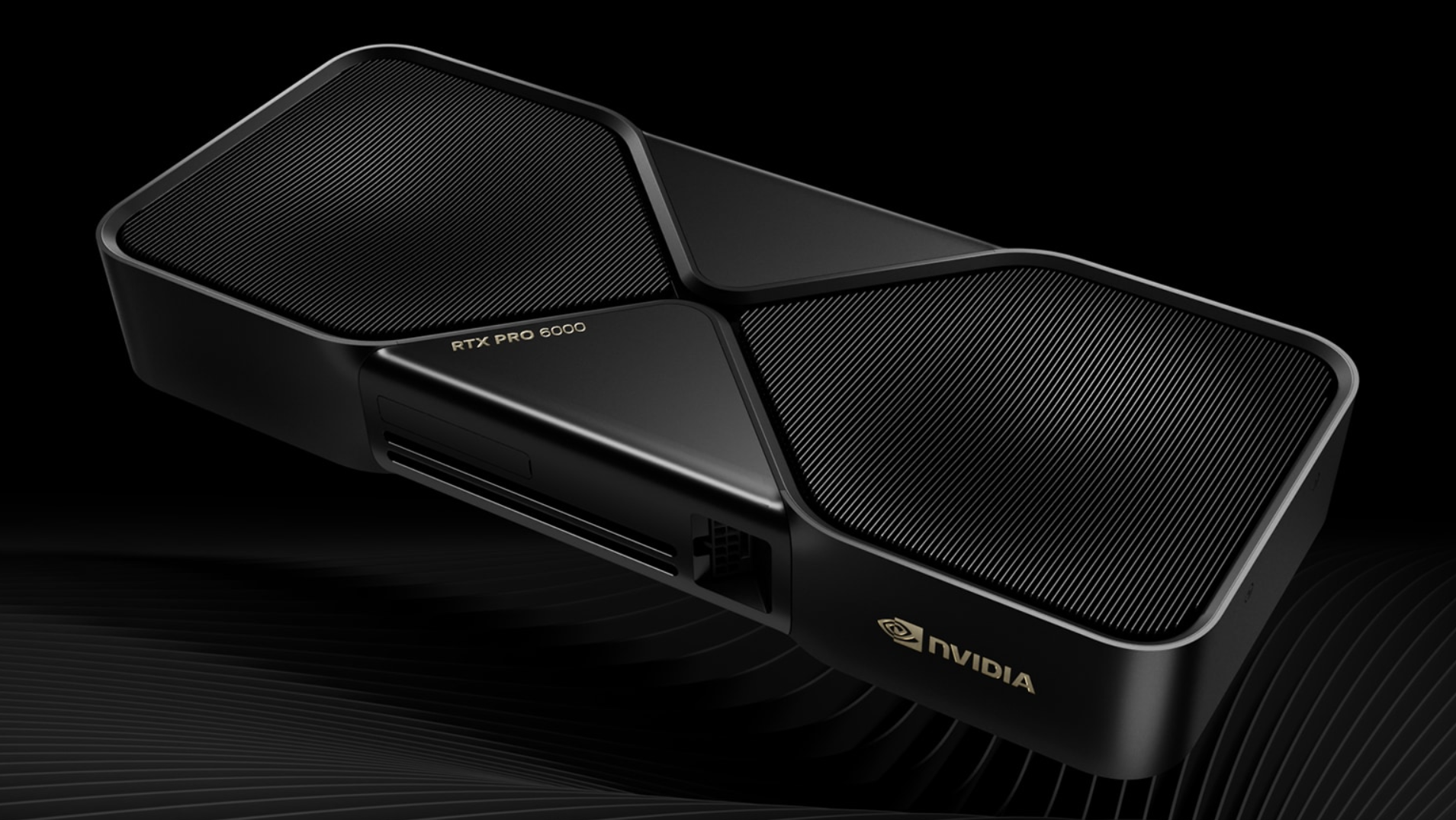
Looking ahead, NVIDIA’s Blackwell architecture—used in professional GPUs like the RTX PRO 5000 series—may incorporate similar clock management, though its limits are still under investigation. If confirmed, it could open new avenues for performance tuning across the RTX 50 ecosystem. For now, the RTX 5070 Ti remains a testbed for what’s possible when hardware and software constraints are creatively redefined.