The AMD Ryzen AI MAX+ 395 APU is not just another chip—it’s a complete reimagining of what a compact workstation can achieve. Packed into a 14-inch ultraportable, this APU delivers the raw power typically reserved for desktop systems, with 16 cores, 32 threads, and RDNA 3.5 architecture that pushes integrated GPU performance to new heights.
For IT teams evaluating upgrades or timing purchases, the Ryzen AI MAX+ 395 presents a critical decision point. Its combination of high core count, low power draw (configurable from 45W to 120W), and advanced memory allocation makes it ideal for workloads that demand both efficiency and performance—whether rendering, AI training, or gaming on an integrated GPU.
The key innovation lies in its memory subsystem. Unlike traditional APUs, the Ryzen AI MAX+ 395 supports up to 128 GB of LPDDR5x memory with a 256-bit bus, allowing for dedicated GPU memory allocation (up to 112 GB). This is a game-changer for large language models (LLMs), bypassing the VRAM limitations that plague even high-end discrete GPUs like the RTX 5090. The result? A workstation-class laptop that can handle tasks most desktops would struggle with, all while maintaining portability.
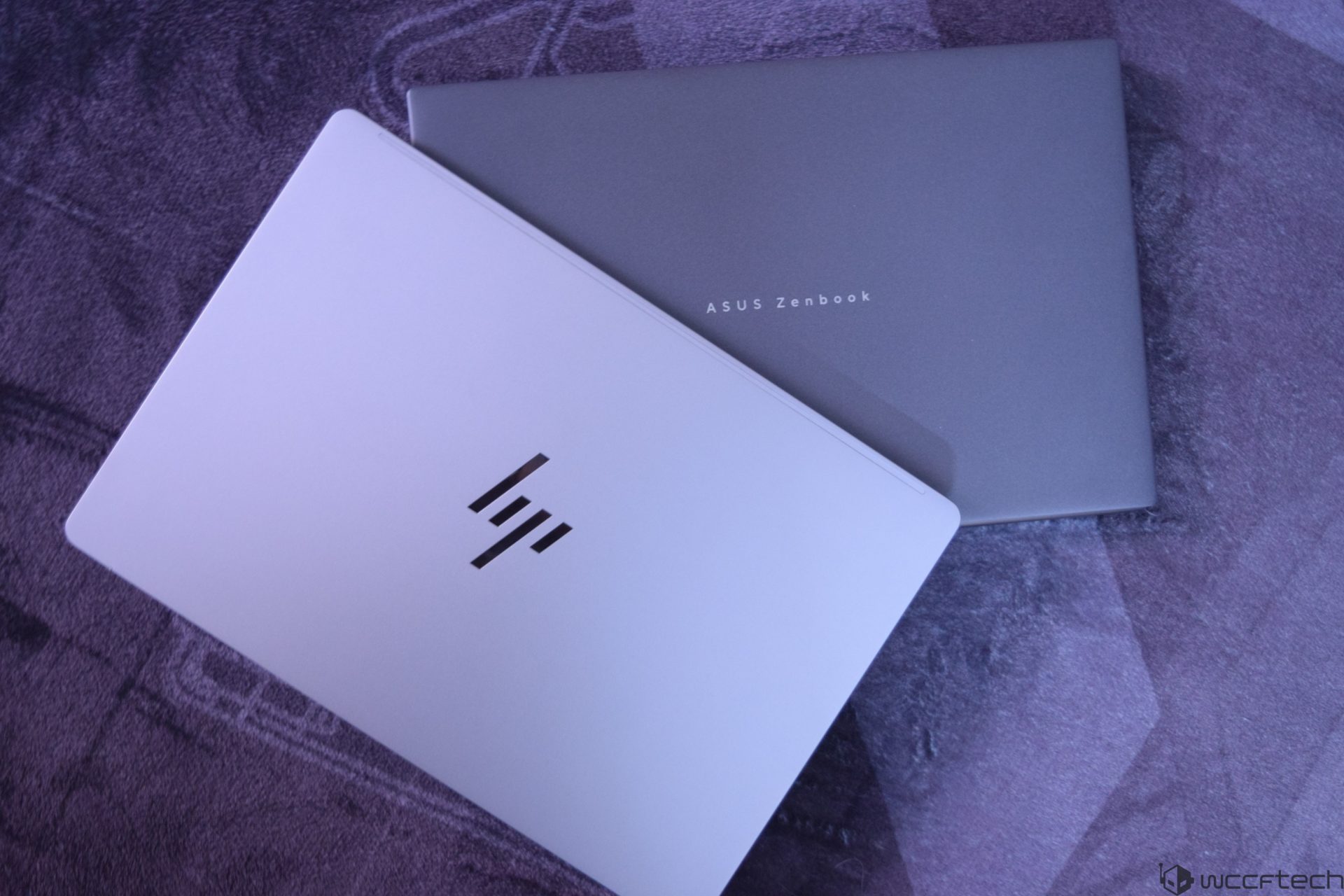
But performance comes at a cost—literally. Priced at $4,000+, this is not an entry-level solution. However, for teams prioritizing power density and future-proofing, the Ryzen AI MAX+ 395 offers a compelling alternative to Intel’s Panther Lake lineup, particularly in multi-threaded workloads where its 32-thread design shines.
The real-world impact is immediate: in Blender rendering, it delivers up to 55% more performance than competing chips. In AI benchmarks, the integrated RDNA 3.5 GPU, combined with a 50 TOPS XDNA 2 NPU, pushes synthetic scores far beyond what’s seen in discrete GPUs like the Arc B390. This isn’t just about raw numbers—it’s about redefining what’s possible in a thin-and-light form factor.
For IT managers, the question is no longer whether to upgrade, but when. The Ryzen AI MAX+ 395 doesn’t just meet current demands; it sets the bar for future workloads, making it a strategic investment for teams that need both performance and flexibility.