The GeForce RTX 5060 Ti 16GB has become a cautionary tale in the GPU market. Once a go-to option for 1440p gaming and content creation, its price has ballooned to $679–$700 in the U.S. and €619 in Europe—effectively turning it into a premium-tier card. Meanwhile, AMD’s RX 9060 XT 16GB, priced at $399–$460, is selling at a fraction of the cost and outperforming the RTX 5060 Ti in sales by a staggering margin.
This isn’t just a regional anomaly. Retailers across North America and Europe report the same trend: the RTX 5060 Ti 16GB is nearly impossible to find at reasonable prices, while alternatives like the RX 9060 XT, RX 9070, or even Intel’s Arc B580 are moving off shelves at a far faster pace. In one week at Germany’s Mindfactory, the RTX 5060 Ti (both 8GB and 16GB combined) sold just 20 units—down from over 200 units a month earlier.
Why the RTX 5060 Ti 16GB Is Now a Premium Card
- Memory: 16GB GDDR6 (once a budget advantage, now a premium feature)
- Architecture: Ada Lovelace (shared with RTX 5070 Ti/5080)
- VRAM Bandwidth: 448 GB/s
- CUDA Cores: 4,352
- TDP: 165W
- Direct Competitors (Now): RTX 5070 Ti ($679), RX 9070 XT (~€550/$599)
- Budget Alternatives: RX 9060 XT 16GB ($399–$460), RTX 5060 8GB ($399)
The RTX 5060 Ti 16GB was designed to bridge the gap between entry-level and mid-range GPUs, but its pricing now aligns with cards twice its performance tier. For example, the RTX 5070 Ti—once a $599 option—now starts at $679, making the 5060 Ti 16GB’s price tag even more baffling. AMD’s RX 9060 XT, with 16GB VRAM** and RDNA 3.5 architecture, delivers nearly identical raw performance in benchmarks while costing 30–40% less. This has forced gamers to reconsider whether NVIDIA’s 16GB focus is worth the premium.
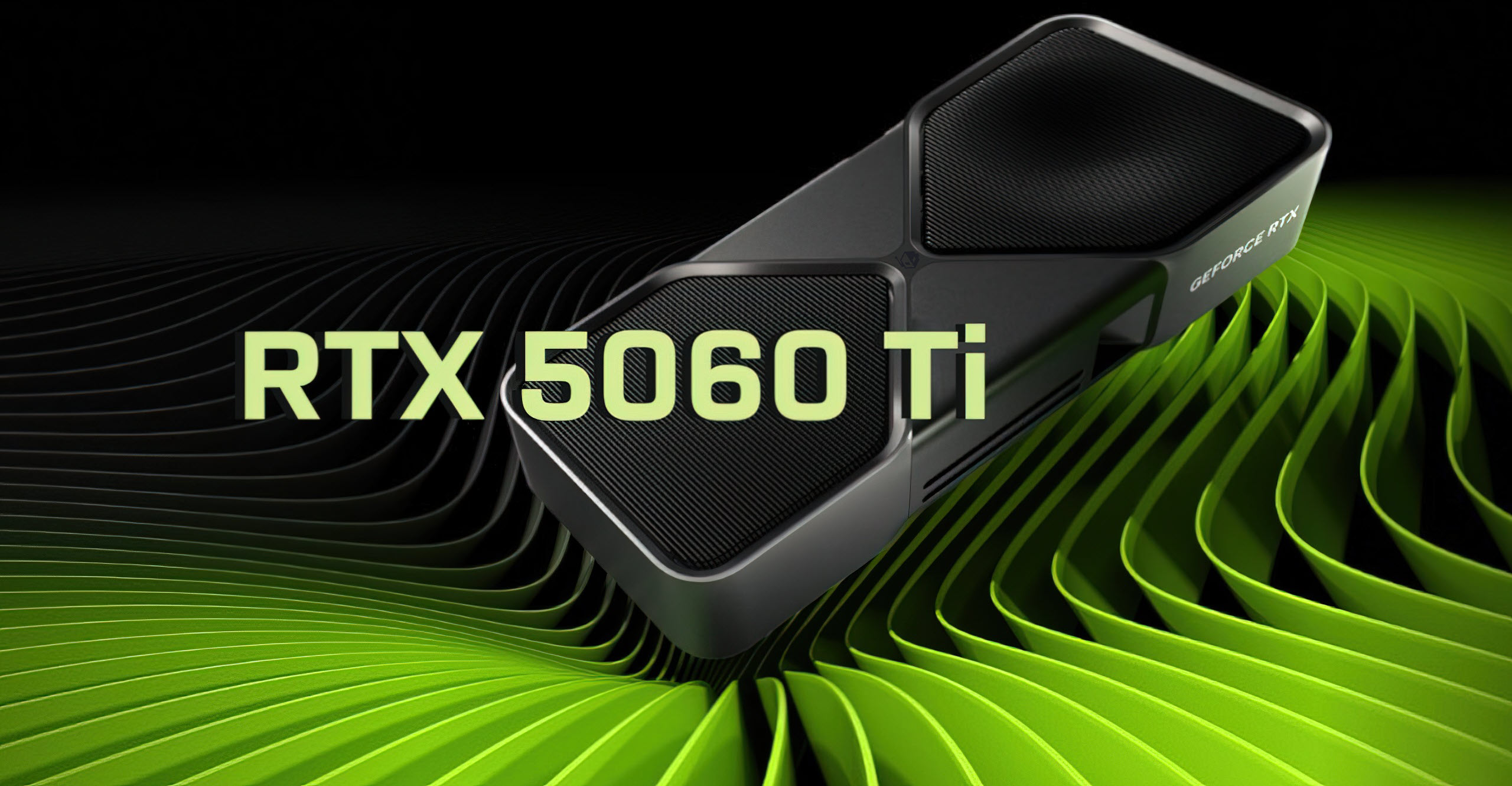
NVIDIA’s shift appears deliberate. The company has reportedly scaled back production of 16GB cards in favor of pushing the RTX 5080 (16GB) as its primary mid-range option, leaving the 5060 Ti 16GB as an afterthought. This strategy mirrors past moves where NVIDIA deprioritized slower VRAM configurations (e.g., RTX 3060 Ti 8GB) to conserve resources. The result? A market where the RTX 5060 Ti 16GB is now a niche product—if it’s available at all.
Who Still Needs the RTX 5060 Ti 16GB?
The card’s original audience—gamers targeting 1440p with DLSS 3 or creators needing extra VRAM—now faces a harsh reality. The RX 9060 XT offers identical VRAM for significantly less, while the RTX 5060 8GB remains a $399 option for those who don’t need 16GB. Even the RTX 5070 (8GB) undercuts the 5060 Ti 16GB in price in some regions. For most buyers, the math no longer adds up.
NVIDIA’s focus on the RTX 5080—a card with 16GB VRAM and DLSS 3.5 support—**has left the 5060 Ti 16GB in a limbo. Without a clear supply chain or pricing correction, the card risks becoming a relic of a more affordable era. Meanwhile, AMD and Intel continue to dominate the budget and mainstream segments, forcing NVIDIA to rethink its approach—or risk losing ground to competitors who are meeting demand with stable pricing.
- The RTX 5060 Ti 16GB now costs $700+, pricing it out of its original market.
- AMD’s RX 9060 XT 16GB is outselling it by 12-to-1 in some regions.
- NVIDIA’s strategy appears to favor the RTX 5080 over 16GB mid-range cards.
- Budget alternatives (RX 9060 XT, RTX 5060 8GB) offer better value.
- Availability is scarce; stock depends on region and retailer.