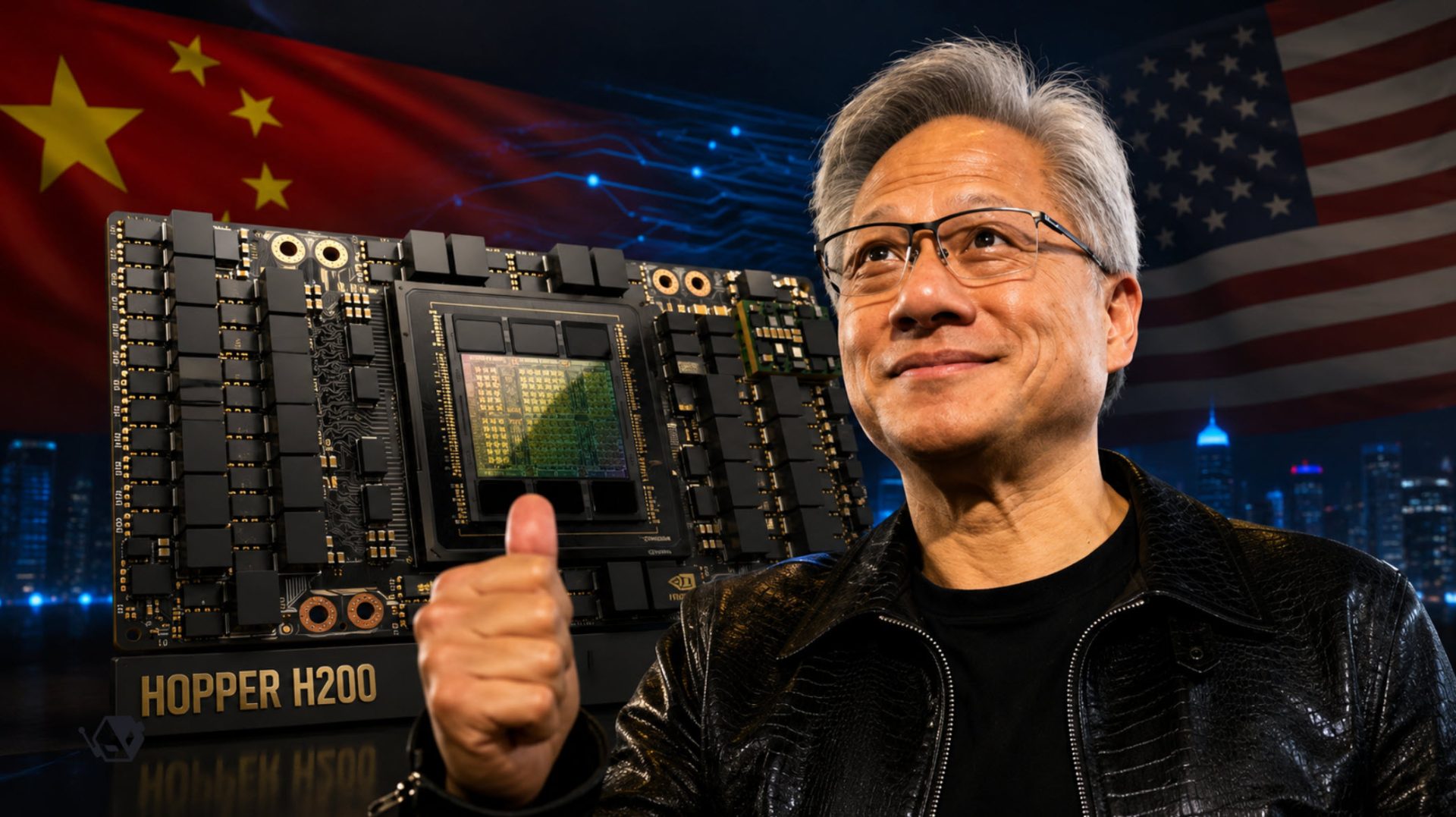
A creator working on high-end 3D rendering projects is suddenly faced with an unwelcome choice: pay nearly double the original price or wait months for a product that may never stabilize in cost. That’s the reality for those eyeing NVIDIA’s RTX 5090, now priced at $4,799 after another round of increases. The jump isn’t just about inflation—it’s driven by a persistent shortage of high-bandwidth memory (HBM3), which has left board partners scrambling and pushed the already-powerful GPU further out of reach for professionals.
The RTX 5090 was designed to be a leap forward in performance, packing 24GB of HBM3 VRAM running at 2.1 Gbps—nearly twice the speed of the previous generation’s memory. It also features an Ada Lovelace architecture with a 16-way GPU configuration and a massive 76.8 CUDA core array, all clocked at speeds that push its theoretical performance to new heights. But those specs come with a catch: HBM3 production is still playing catch-up, and NVIDIA’s decision to raise the price by $300 for board partners has trickled down to consumers.
For creators, this isn’t just about sticker shock—it’s about future-proofing. The RTX 5090 was meant to handle demanding workloads like AI training, real-time ray tracing, and high-resolution rendering with ease. But with prices hovering around $4,800, the question becomes whether it’s worth the investment or if waiting for a more stable market (or even a potential next-generation card) is smarter.
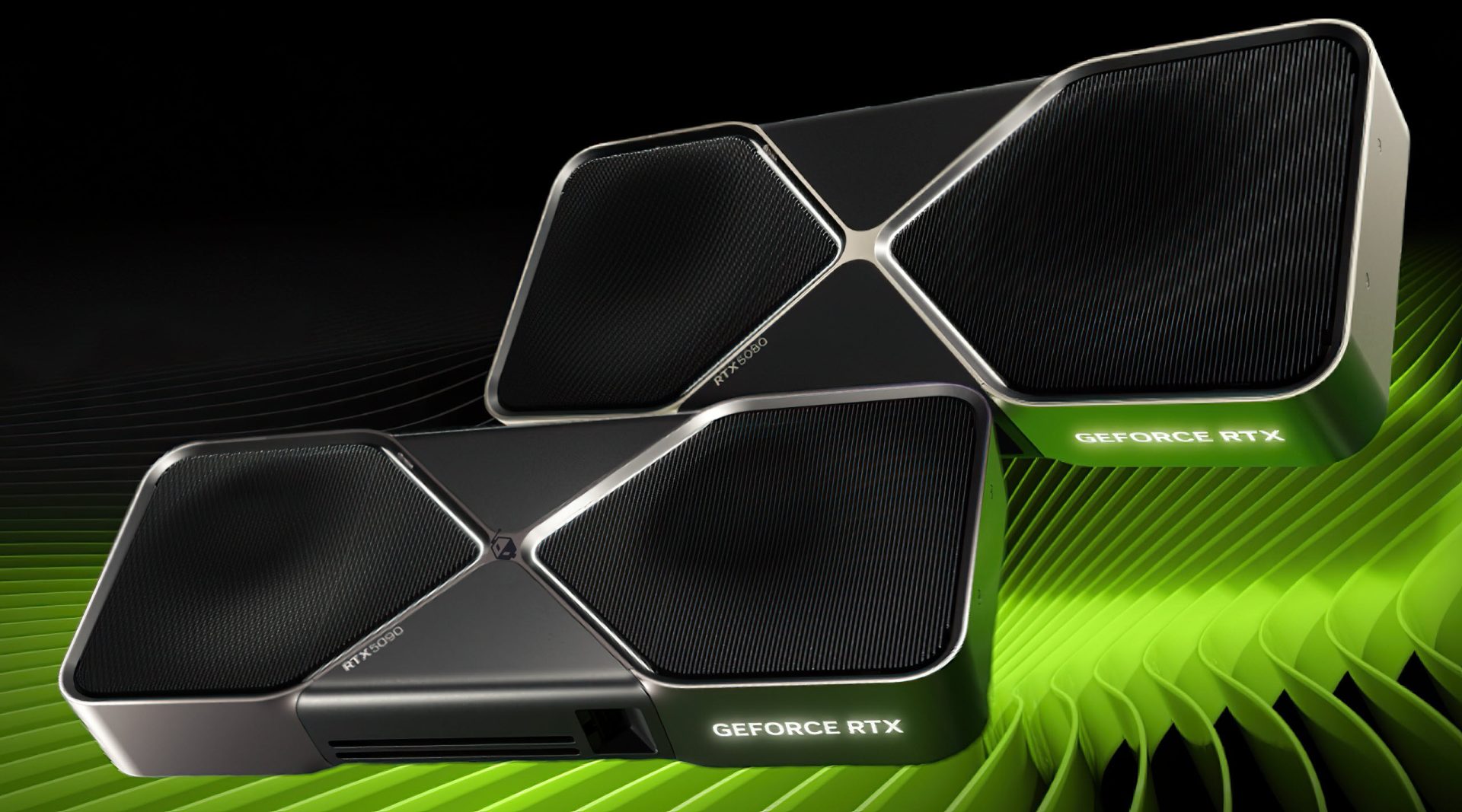
- Architecture: Ada Lovelace
- GPU Configuration: 16-way GPU, 76.8 CUDA cores
- Memory: 24GB HBM3, 2.1 Gbps, 960 GB/s bandwidth
- Clock Speeds: Boost clock up to 2.52 GHz (varies by partner)
- Performance: Designed for AI workloads, real-time ray tracing, and high-resolution rendering
- Price: $4,799 (after recent increases)
The RTX 5090’s price trajectory is worth watching. If HBM3 shortages persist, we could see further increases, making it a risky bet for those planning long-term projects. Alternatively, if NVIDIA or partners manage to stabilize supply, prices might settle—leaving early adopters with a break-even point that’s still years away.
For now, creators are left between a rock and a hard place: pay up front for a card that might not deliver the expected ROI, or hold out and risk missing out on performance gains that could be critical to their work. The market will tell us whether this is a temporary hiccup or the new normal for high-end GPUs.