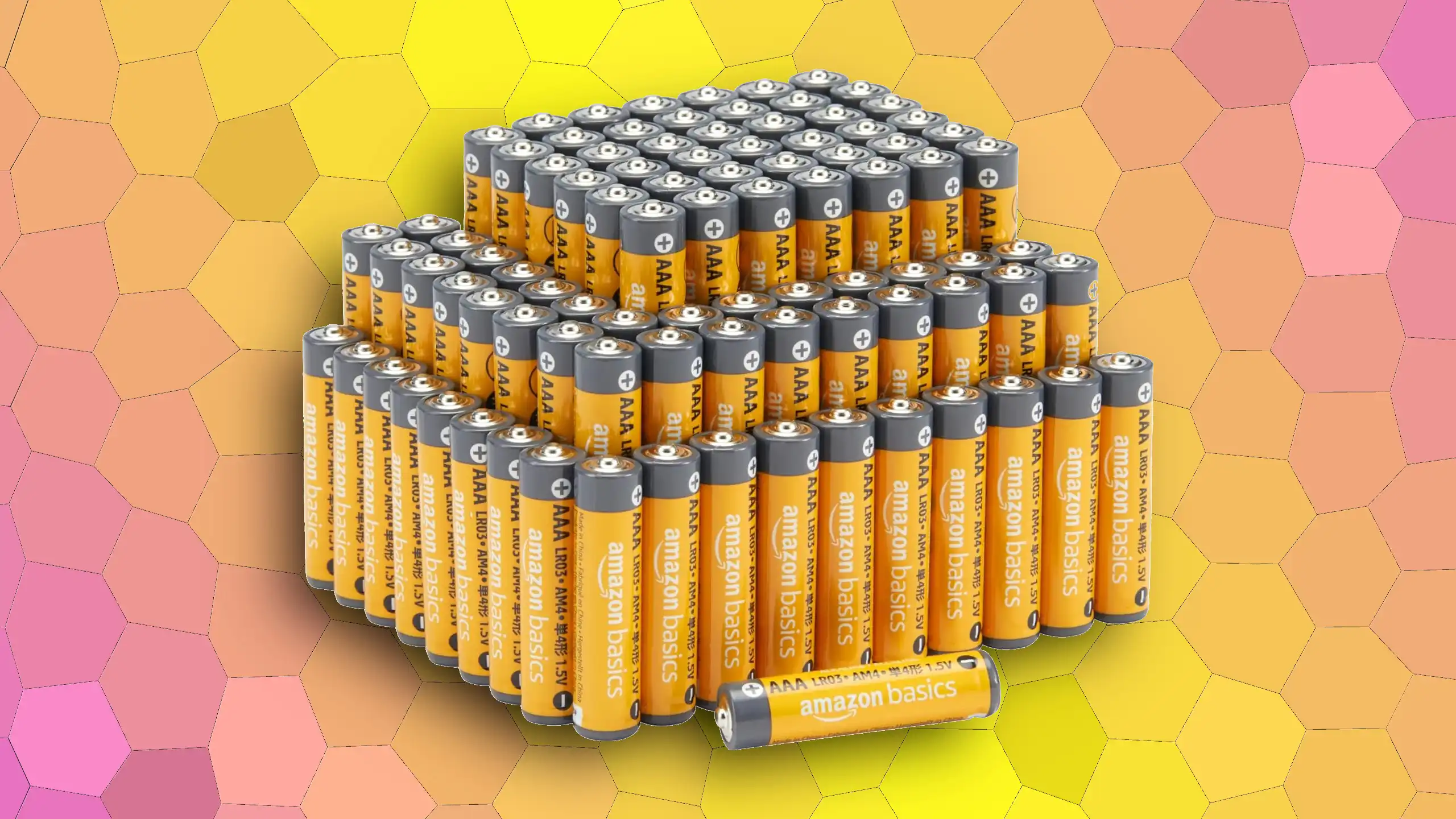
The label on an AmazonBasics battery reads ‘Made in China,’ but the story of how those cells end up on shelves is far less transparent. Behind the scenes, a network of contract manufacturers, some with decades-long relationships with consumer electronics giants, assemble these batteries under Amazon’s private-label banner. The choice of partners—ranging from well-known names to lesser-known factories—shapes performance, longevity, and price, yet those details rarely surface in marketing materials.
AmazonBasics batteries, priced competitively against name-brand alternatives, rely on a mix of capacity (1800 mAh for AA/AAA) and chemistry (alkaline and lithium-ion variants). The alkaline line, for example, delivers 2.4 volts per cell with a shelf life rated at two years when stored unopened. But the real differentiator lies in the manufacturing ecosystem: some units are built by factories that also produce batteries for household names, while others operate under tighter cost constraints.
Who’s Really Building Them?
- Enersys (alkaline): A global player with plants in China and Mexico, Enersys supplies the alkaline cells under AmazonBasics. Its factories have historically served major retailers, ensuring consistent quality through ISO 9001 certification.
- Unspecified lithium-ion partners: Lithium variants are sourced from multiple contract manufacturers, including some tied to battery industry leaders like CATL and BYD, though exact names remain undisclosed. These factories leverage automated production lines capable of high-volume output.
A key factor in AmazonBasics’ pricing is the balance between automation and labor costs. While alkaline batteries benefit from mature, highly automated assembly lines, lithium-ion cells introduce complexity due to battery management system (BMS) integration—a step that adds both cost and technical hurdles. The result? A product line that’s reliable for everyday use but not always cutting-edge in power density.
Why It Matters for Buyers
- Reliability vs. innovation: AmazonBasics batteries prioritize affordability and shelf stability over high-discharge performance, making them ideal for low-power devices like remotes or flashlights but less suited for power-hungry gadgets.
- Supply chain resilience: By diversifying manufacturing across multiple factories (some with dual production lines), Amazon mitigates risks tied to single-supplier dependencies—a strategy that pays off during global shortages.
The next evolution in this space will likely hinge on battery chemistry. As lithium-ion becomes more cost-effective, AmazonBasics may shift its focus toward longer-lasting rechargeable options, though whether those will retain the same price point remains an open question.