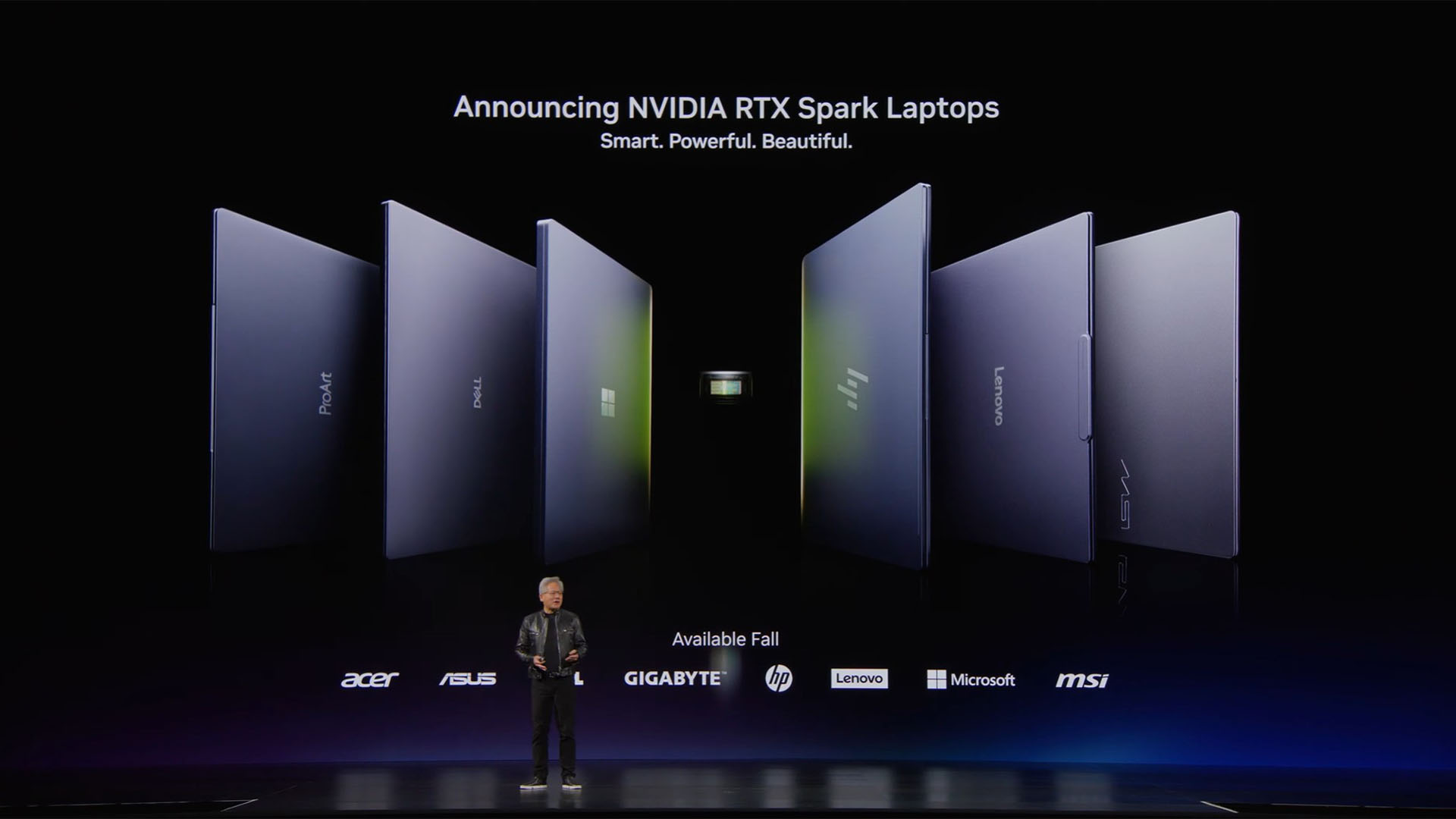
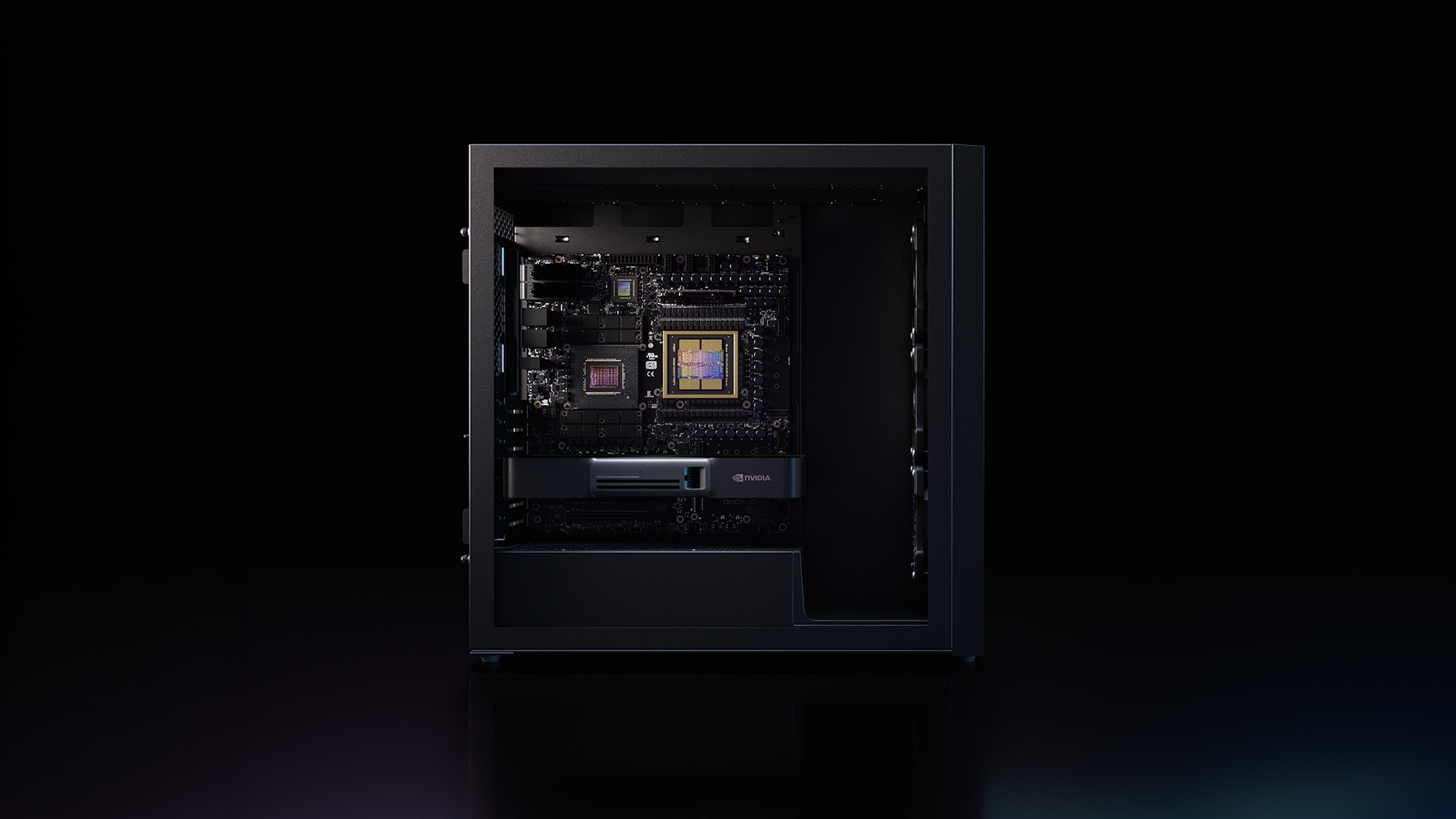
NVIDIA has unleashed the RTX Spark, a platform that challenges conventional notions of desktop computing. This isn't just another GPU upgrade—it's a fundamental shift in how CPUs and GPUs interact, particularly when tackling AI workloads. The result is a system that demands significant resources but delivers performance previously reserved for server-grade setups.
The RTX Spark features a 20-core CPU paired with up to 128GB of unified memory, where the traditional boundary between CPU and GPU memory has been erased. This architecture, combined with an impressive 600GB/s bandwidth, is designed to streamline data transfer and reduce latency—a critical advantage for AI training and inference tasks. However, this power comes at a cost: the platform's thermal output and power requirements are substantial, necessitating robust cooling solutions and high-wattage power supplies.
For users working with large-scale AI models or complex simulations, the RTX Spark could be transformative. The 20-core CPU provides ample multi-threading capabilities, while the unified memory system ensures seamless data movement between processing units. Yet, this platform isn't without its challenges. The 128GB of memory represents a significant investment, and the bandwidth demands may push current storage solutions to their limits. Additionally, the power draw could restrict its use in smaller form factors.

Despite these tradeoffs, the RTX Spark marks a pivotal moment in desktop computing. It blurs the line between workstations and high-end gaming rigs, offering capabilities that were once exclusive to specialized servers. For those willing to invest in this platform, the potential rewards are substantial: faster AI training cycles, more efficient data processing, and the ability to handle workloads that were previously out of reach on a single machine.
- 20-core CPU for multi-threaded workloads
- 128GB unified memory for seamless data transfer
- 600GB/s bandwidth for high-performance computing
The RTX Spark represents more than just hardware—it's a statement about the future of desktop computing. Whether it becomes mainstream remains to be seen, but it stands as a testament to what's possible when engineering tradeoffs are pushed to their limits.