For power users building next-gen AMD systems, a new generation of DDR5 memory is here—without the usual latency compromises.
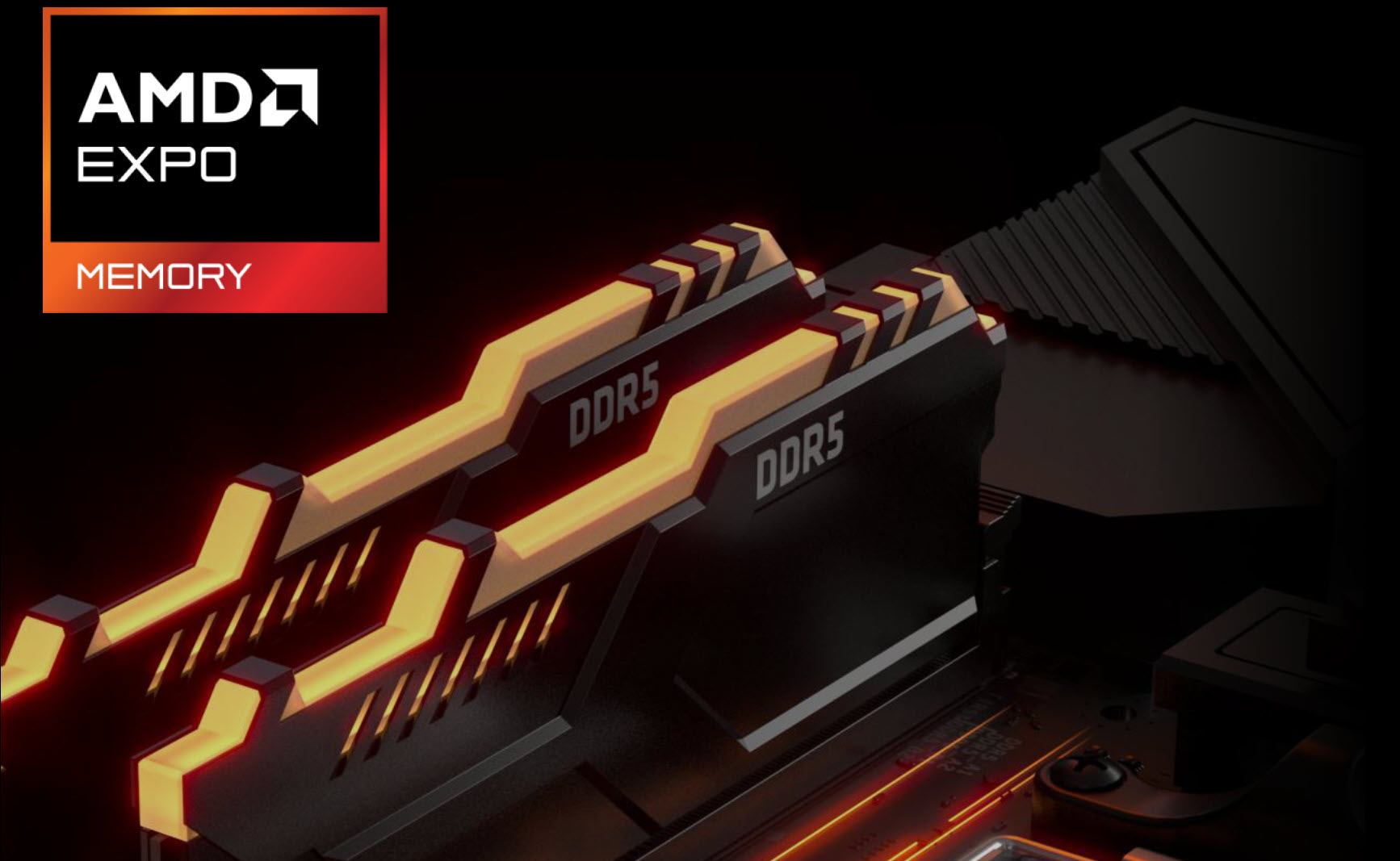
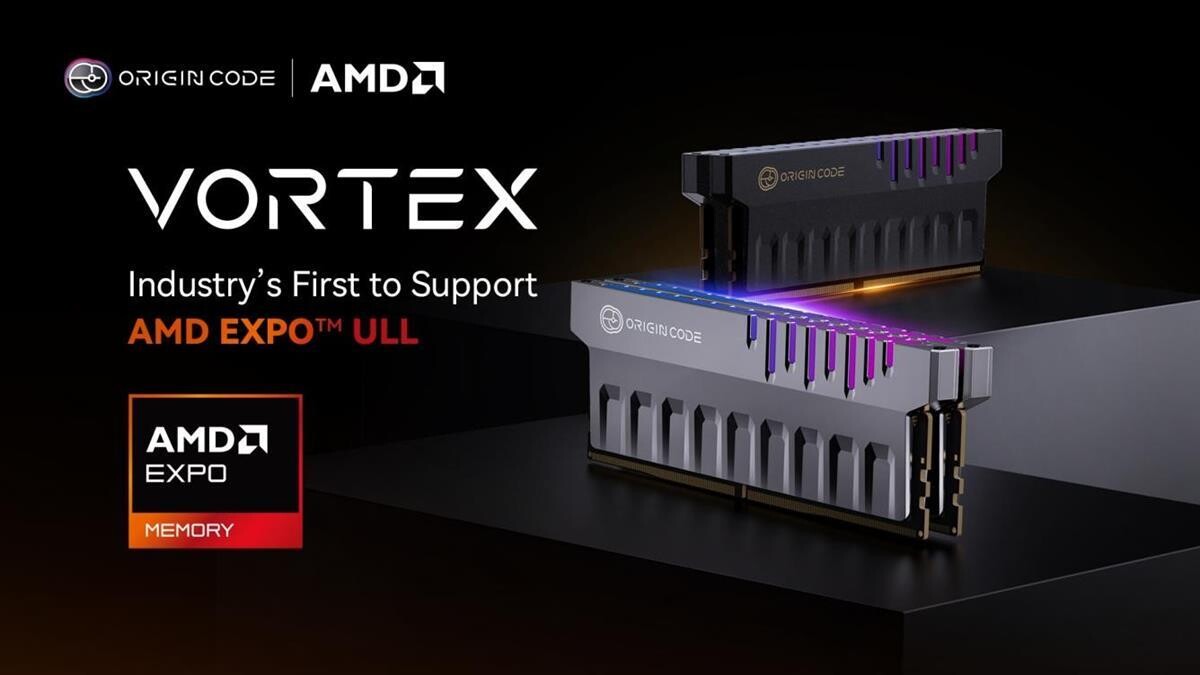
The latest update from Origin Code brings support for AMD's EXPO ULL (Extreme Performance Optimization) standard to select Vortex DDR5 kits. This isn't just another speed bump; it's a refinement that tightens the knot between memory performance and platform compatibility, particularly for systems expecting the most demanding workloads.
Key Specifications
- Supported Kits:
- 48 GB (24 GB × 2) DDR5-6000 CL26
- 48 GB (24 GB × 2) DDR5-6200 CL28
- 96 GB (48 GB × 2) DDR5-6000 CL26
The focus here is on low-latency configurations, which are critical for high-end gaming and professional workloads. The 48 GB kits push the boundaries of what's possible in a dual-channel setup, while the 96 GB option caters to those who need brute-force capacity without sacrificing speed.
What This Means for Users
The real-world impact is immediate: systems that can leverage EXPO ULL will see more stable overclocks with less manual tweaking. The new profiles are designed to work seamlessly with AMD's upcoming platforms, reducing the trial-and-error process that has long been part of DDR5 tuning. However, this isn't a universal fix—only select kits are optimized for now, so users should check compatibility before upgrading.
For those on the fence about whether to wait for the next generation of memory or dive in now, the answer depends on their needs. If they're targeting platforms that will support EXPO ULL out of the box, these kits offer a clear path forward. But if they're building today and planning to upgrade later, the trade-off between current performance and future-proofing becomes a closer call.
The long-term roadmap for DDR5 is still unfolding, but this move suggests that low-latency, high-capacity memory will remain a priority. Whether that translates into broader adoption of EXPO ULL in future kits remains to be seen—what's confirmed today is that Origin Code has set the stage for what could become a new standard in performance tuning.