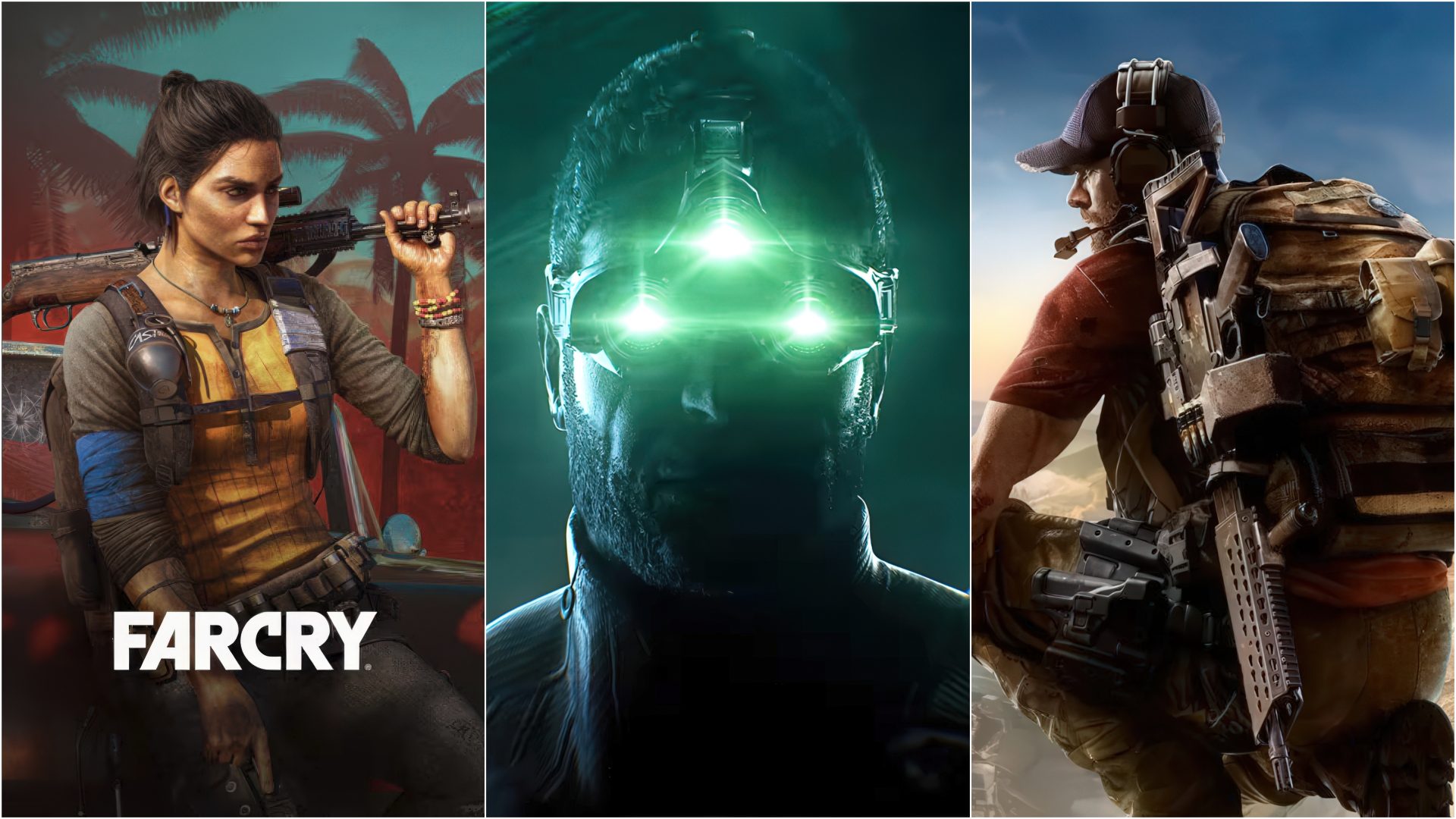
Russia’s digital ministry has signaled its willingness to fund the development of a domestically produced military shooter, offering developers access to reduced corporate tax rates and lower insurance premiums—a package designed to mirror the subsidies Western studios receive. The announcement comes weeks after a lawmaker suggested banning Call of Duty games for allegedly portraying Russian soldiers in a negative light.
The initiative represents more than just fiscal support; it’s an attempt to reshape Russia’s relationship with global gaming culture, which has long been dominated by narratives that frame its military as antagonists. The government’s willingness to invest up to 10 billion rubles—roughly $130 million—hints at the scale of ambition, though whether such a project could compete with established franchises remains uncertain.
This isn’t Russia’s first foray into state-backed gaming development. In 2022, plans emerged to create a national game engine following Western tech companies’ exit after the invasion of Ukraine. That effort ultimately stalled due to cost concerns, though private investment kept it alive in some form. The current push for a military shooter follows a similar pattern: leveraging government resources to fill a perceived void left by Western influence.

The move also comes against a backdrop of heightened cultural scrutiny. Earlier this year, Russia banned Roblox over claims of extremist content and LGBT propaganda—a decision that set the stage for broader restrictions on foreign games. If successful, a Russian-developed military shooter would not only serve as an alternative to Western titles but could also become a tool for state-backed narrative control.
Internationally, other nations have sought to rebrand their military forces in gaming. China, for example, released Glorious Mission in 2013—a shooter that positioned its armed forces as heroes, with mixed reception outside its borders. Russia’s approach may take a page from that playbook, though the political and creative challenges are far greater given the current geopolitical climate.
The question isn’t whether Russia can build such a game, but whether it can make one that resonates beyond its own borders—or even sustain player interest at home. With global gaming trends shifting toward more diverse narratives, the pressure to deliver something compelling is significant.