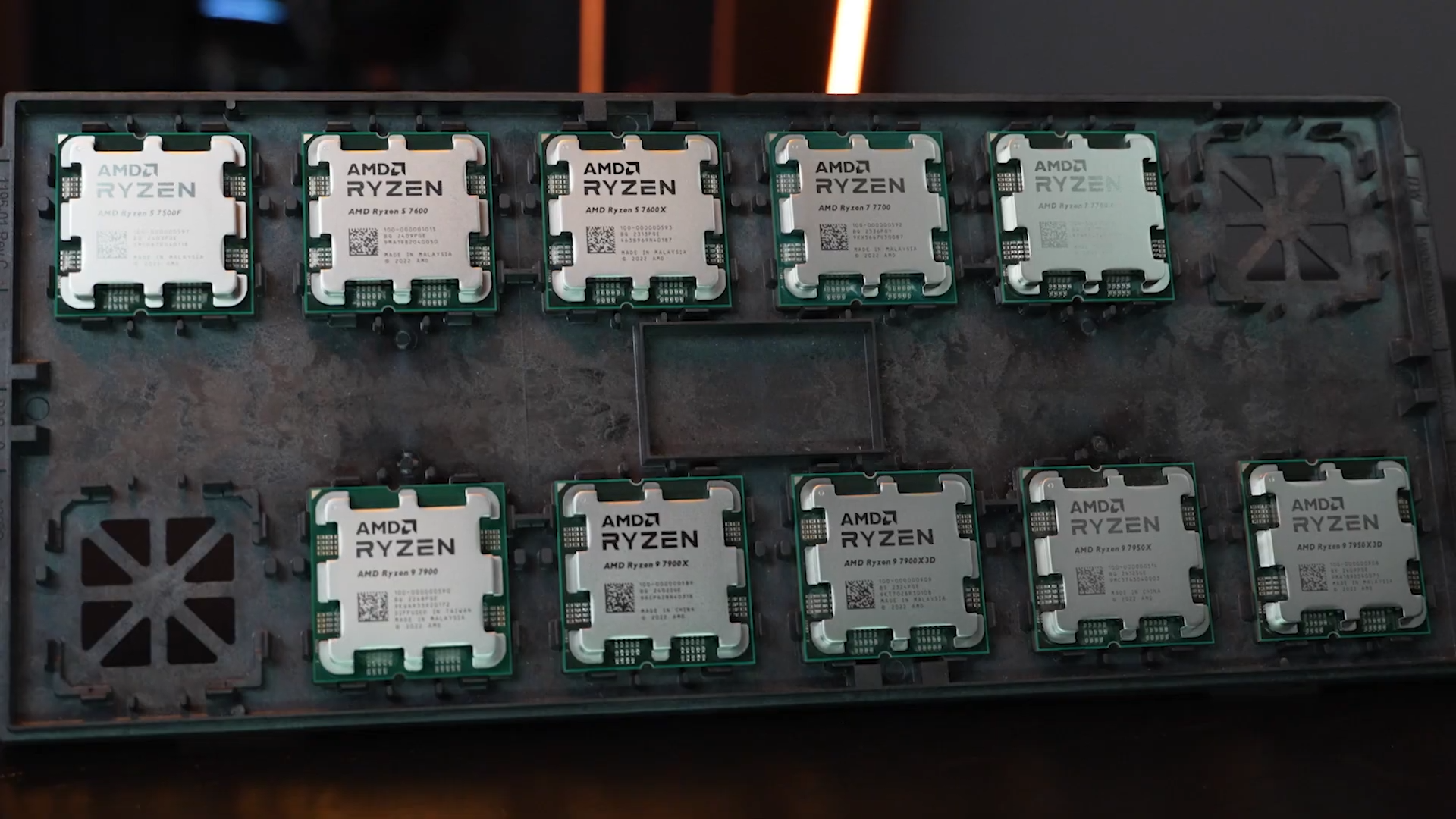
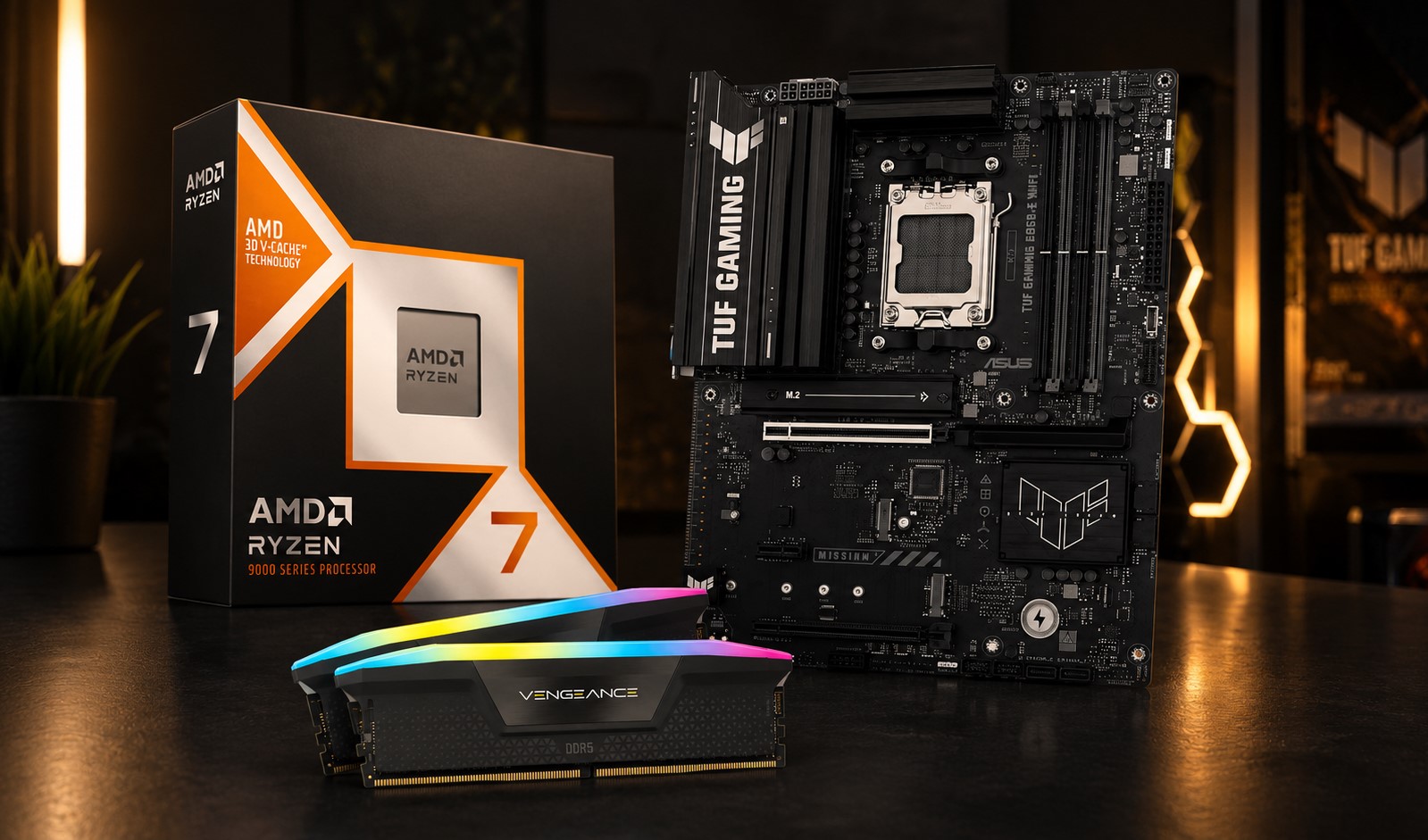
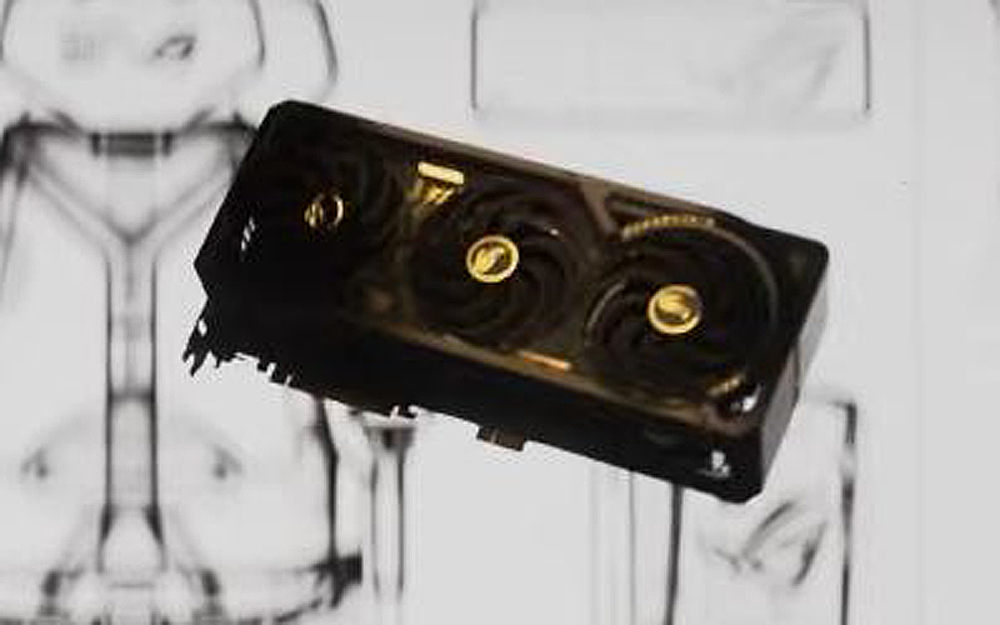
The Ryzen 9 9950X3D2 is not just another increment in AMD’s lineup—it signals a deliberate move to reposition high-end CPU performance in the eyes of both businesses and developers. With its 16-core, 32-thread architecture and integrated 3D V-Cache, it targets workloads that demand more than brute force: tasks like large-scale data processing, AI model training, and complex simulations where efficiency is as critical as raw speed.
Pricing will be the deciding factor. Early indications from Canadian retailers suggest a launch price close to $1,000, placing it squarely in a segment dominated by Intel’s Core i9-14900K and AMD’s own Ryzen 9 7950X3D. The challenge for AMD will be proving that the 9950X3D2 offers meaningful improvements over its predecessor without alienating users who prioritize cost-effectiveness.
Performance Beyond the Spec Sheet
The 9950X3D2’s architecture is a study in optimization. While it maintains clock speeds of up to 5.7 GHz, the real innovation lies in how it manages power and cache. The 96 MB L3 cache, enhanced by 3D V-Cache technology, allows for more efficient data access—a critical advantage in workloads where latency can make or break productivity. Combined with a TDP of 120 W, it suggests AMD is aiming to address the growing demand for CPUs that deliver high performance without excessive power draw.
A Market at a Crossroads
The tech industry is navigating a period of economic caution, and CPU pricing has become a flashpoint. The 9950X3D2’s price point could either solidify its position as a premium option or force AMD to rethink its strategy if competitors respond with aggressive counter-moves. For end users, the decision may hinge on whether the incremental performance gains justify the investment over existing alternatives.
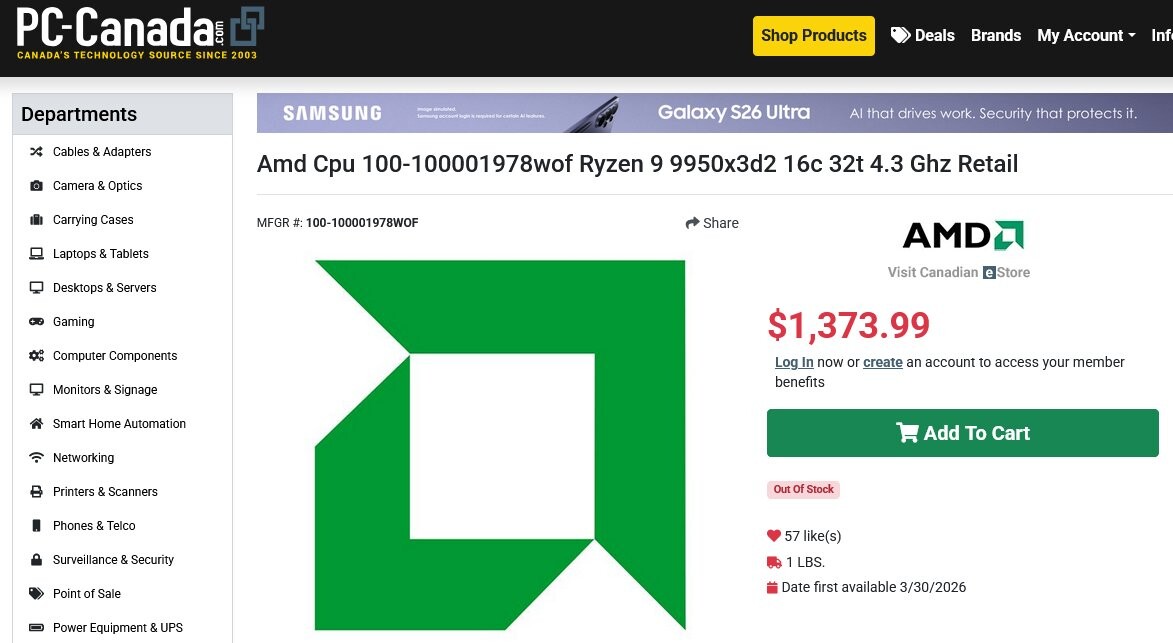
Key Specifications
- Cores/Threads: 16 cores, 32 threads
- Clock Speeds: Base: 4.8 GHz, Boost: up to 5.7 GHz
- Cache: 96 MB L3 (with 3D V-Cache)
- TDP: 120 W
The TDP of 120 W is a notable specification, especially in an era where power efficiency is scrutinized more than ever. This balance between performance and thermal management could make the 9950X3D2 particularly attractive to enterprises building data centers or workstations where long-term reliability is paramount.
Long-Term Implications
The launch of the Ryzen 9 9950X3D2 will likely accelerate a broader conversation about value in high-end CPUs. If it succeeds in delivering sustained performance at this price point, it could set a new benchmark for what users should expect from premium processors. For businesses investing in AI and data infrastructure, the 9950X3D2 may offer a compelling alternative if it delivers on efficiency and scalability without sacrificing performance.
The final verdict will come from real-world usage, but early signals suggest that AMD is aiming to challenge the status quo—both in terms of performance and pricing. Whether this strategy pays off remains to be seen, but one thing is certain: the landscape for high-end CPUs is about to get more interesting.