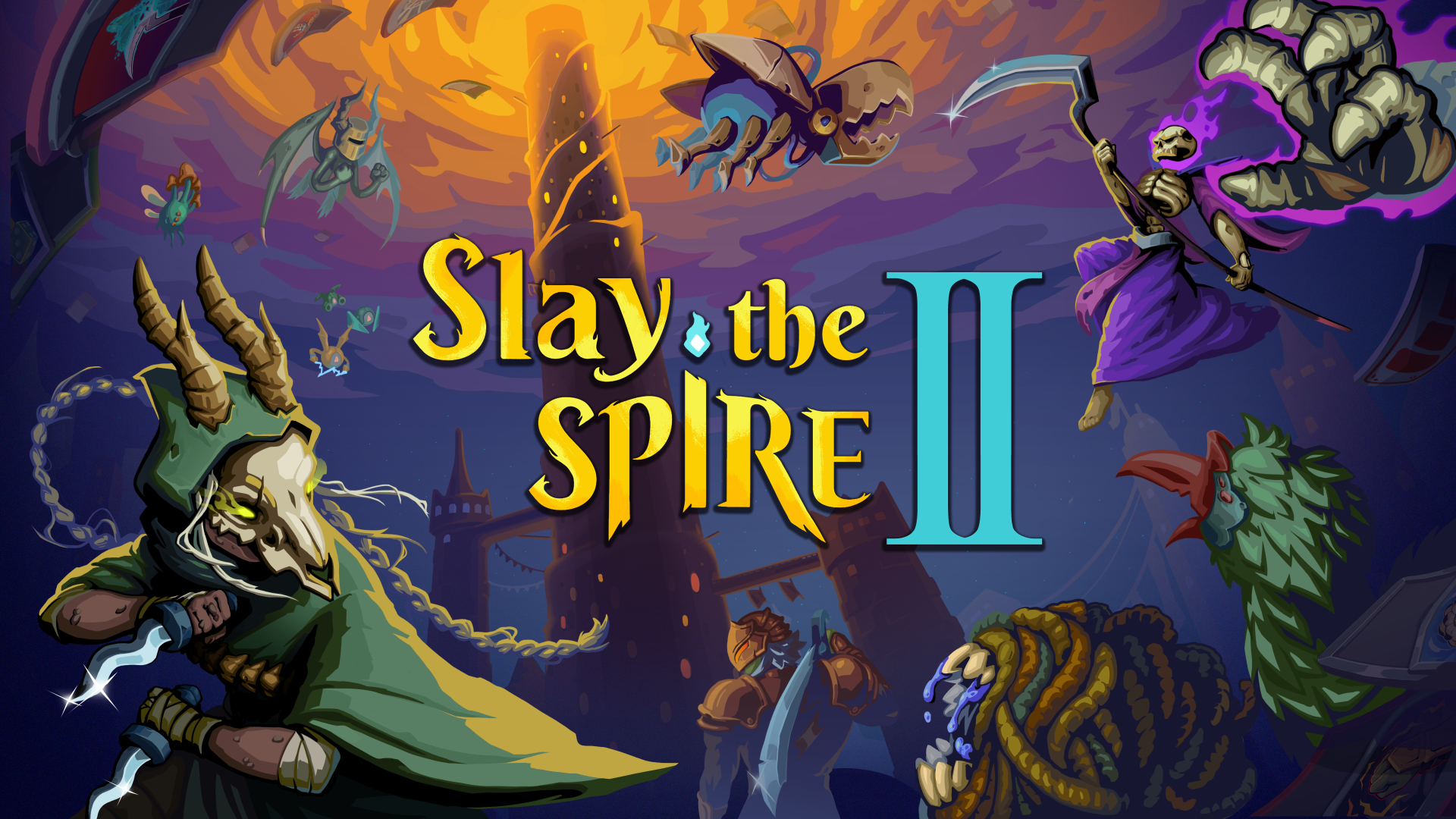
Slay the Spire 2 isn't just another deck-building game—it's a strategic masterclass in procedural generation and player engagement. With an estimated 5.3 million copies sold in March 2026 alone, it has surged past other major releases to claim the top spot on Steam's charts. This dominance reflects a broader trend where players increasingly favor games that reward skill, adaptability, and replayability over linear storytelling or flashy aesthetics.
The game's success hinges on its ability to blend accessibility with depth. New players can grasp core mechanics quickly, but the sheer complexity of its card system—comprising over 100 unique cards with distinct synergies—ensures that even seasoned gamers find new strategies to explore. This balance has made it a standout in an industry that often skews toward either overly simplistic or prohibitively difficult experiences.
How It Works: A Roguelike Engine of Replayability
The heart of Slay the Spire 2's appeal lies in its roguelike structure. Every playthrough generates a new dungeon, new enemies, and new challenges, ensuring that no two runs are identical. This procedural approach isn't just about variety—it's about creating meaningful progression. Players unlock permanent upgrades, unlockable characters with unique abilities, and even cosmetics tied to their performance, all of which incentivize repeated play.
- Procedural dungeons: Each run generates a new layout, enemy placements, and card rewards, making exploration unpredictable.
- Deep card system: Over 100 cards with synergies that range from aggressive combos to defensive stalls, demanding strategic deck-building.
- Character diversity: Four distinct characters (The Silent, The Defect, The Red, and The Ironclad), each with their own playstyle and strengths.
This design philosophy ensures that players aren't just grinding for completion—they're refining their strategies, testing their adaptability, and discovering new synergies. It's a far cry from the static campaigns that once dominated gaming, where replay value was an afterthought.
A Benchmark for Industry Shifts
Slay the Spire 2's rise isn't just good news for its developers—it's a bellwether for the gaming industry. It proves that players are no longer satisfied with games that rely solely on polished visuals or marketing hype. Instead, they're demanding experiences that challenge their intellect, adapt to their skill levels, and offer meaningful replayability.
This shift is already visible across genres. Strategy games like XCOM 2 and simulations such as Civilization VI have thrived on similar principles—deep systems, emergent gameplay, and procedural elements that keep players engaged long after the initial release. Slay the Spire 2 takes this a step further by making these elements accessible to both casual and hardcore audiences, which could set a new standard for roguelike design.
What This Means for Game Design
The game's success raises critical questions for developers: How can complexity be introduced without alienating newcomers? How can procedural generation feel fair yet unpredictable? And perhaps most importantly, how can replayability become a core selling point rather than an afterthought?
Slay the Spire 2 answers these challenges by making strategic depth its primary hook. It doesn't hide complexity behind tutorials or hand-holding—it integrates it into the gameplay loop. This approach could inspire a wave of new games that prioritize player skill and creativity over traditional campaign structures, potentially reshaping what players expect from digital entertainment.
For now, the game's momentum shows no signs of slowing. It has already redefined what it means to be a top-selling title on Steam, and its influence is likely to extend far beyond its genre. The future of gaming may well belong to those who can master the art of depth—procedural or otherwise.