OLED panels are disappearing from shelves faster than expected.
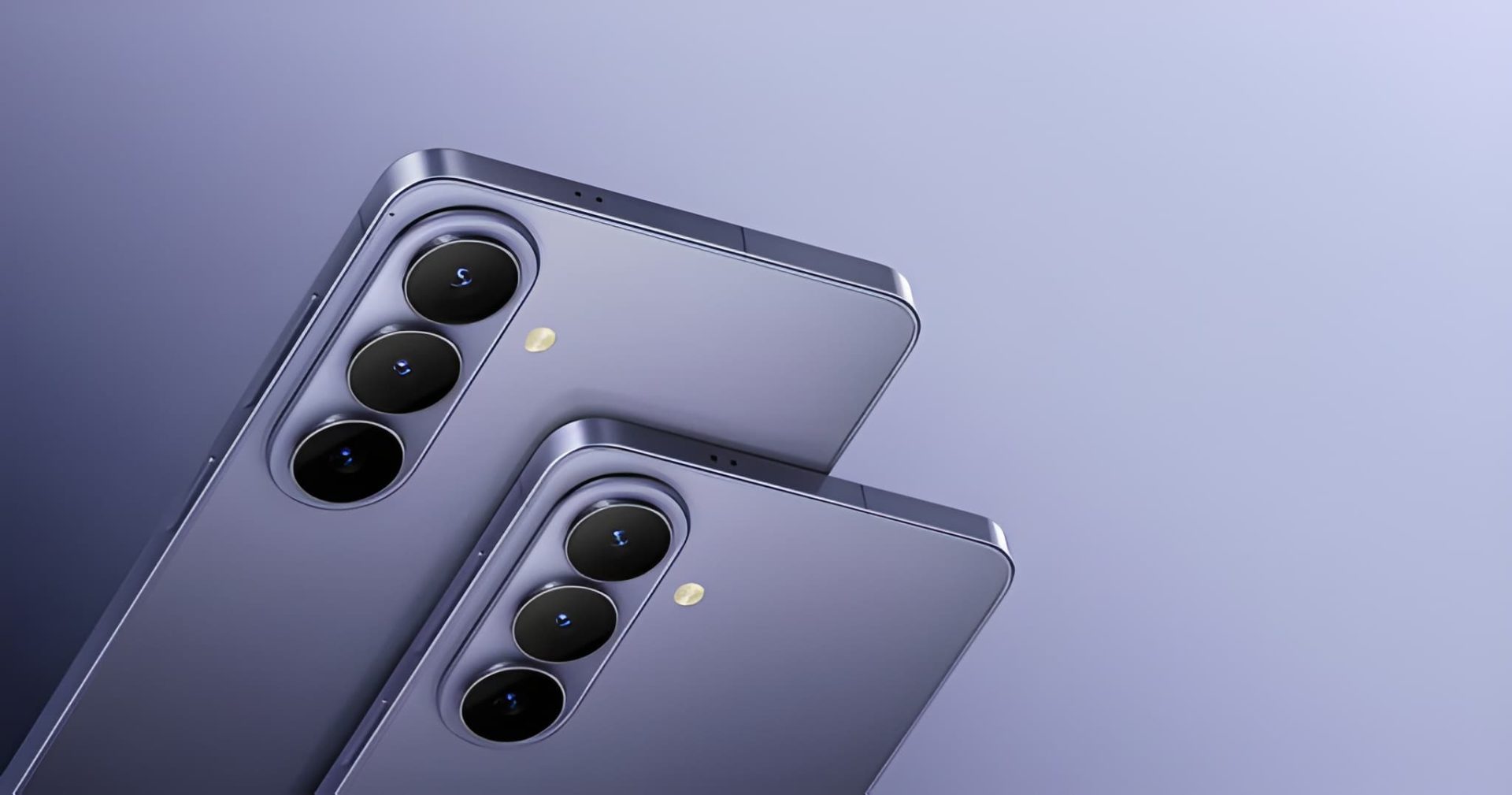
The shortage isn’t just about price—it’s reshaping what phones can do on screen. Smartphone makers now face a two-front squeeze: fewer OLED panels to buy, and higher costs for the ones that remain. The result? Slower refresh rates, dimmer peak brightness, and in some cases, phones shipping with LCD screens instead.
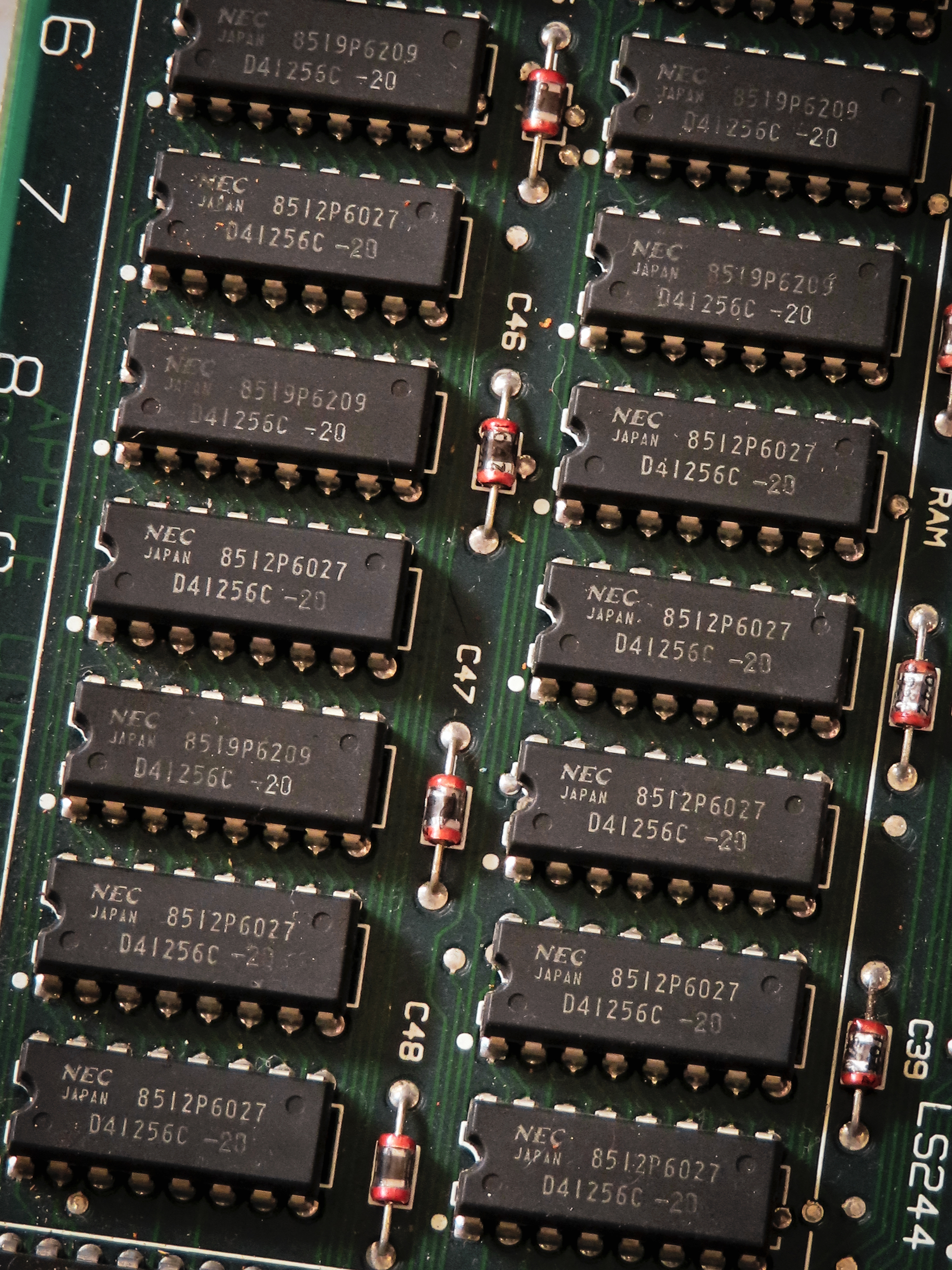
This isn’t the first time supply crunches have hit the industry, but the depth of the current DRAM shortage is unusual. It’s not just a matter of availability; it’s a domino effect that starts with memory chips and ends with fewer high-end displays on store shelves.
For power users, the shift means less choice in screen tech—especially for those who prioritize smooth scrolling, vibrant colors, or HDR performance. Everyday consumers may notice dimmer screens or slightly slower response times, but the bigger story is what this says about the future of smartphone supply chains.
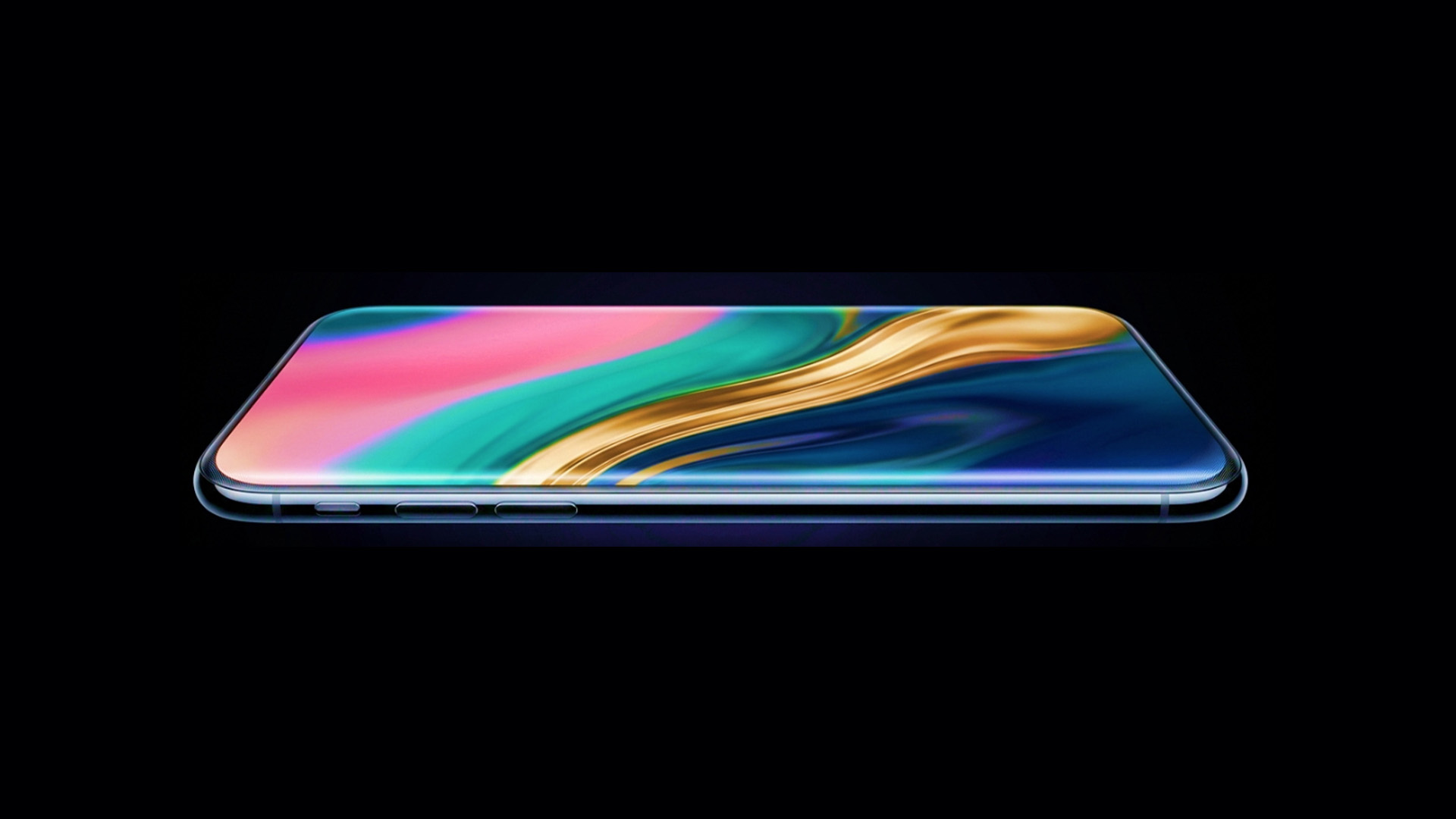
The crunch isn’t limited to OLED either. DRAM shortages have already delayed laptop launches and are now spilling over into mobile. The question is whether this tightness will ease before the next major phone cycle, or if it’s a long-term adjustment for manufacturers.
Key specs (where confirmed)
- OLED panel impact: Shipments down 12% in Q1 due to DRAM constraints.
- Display trade-offs: Some phones switching to LCD or reducing refresh rates to meet deadlines.
For now, the market is navigating a delicate balance: fewer panels, higher costs, and no clear end date. The real test will be whether manufacturers can absorb the hit without passing too much pain onto consumers—or if this becomes another chapter in the industry’s supply-chain uncertainty.