Samsung’s next flagship, the Galaxy S26 Ultra, has emerged in early benchmarks with a Snapdragon 8 Elite Gen 5 chip that, at first glance, appears to be operating below its advertised clock speeds. However, even with performance cores running at 4.20GHz instead of the expected 4.61GHz, the device still achieves respectable single-core and multi-core scores in Geekbench 6.
This benchmark, spotted by a tech researcher, shows the Galaxy S26 Ultra (model SM-S948U) with 12GB of LPDDR6 RAM delivering a single-core score of 3,466 and a multi-core score of 11,035. While these figures are lower than what might be expected from the chip’s full potential, they still place the device among the top-tier Android smartphones in current benchmarks.
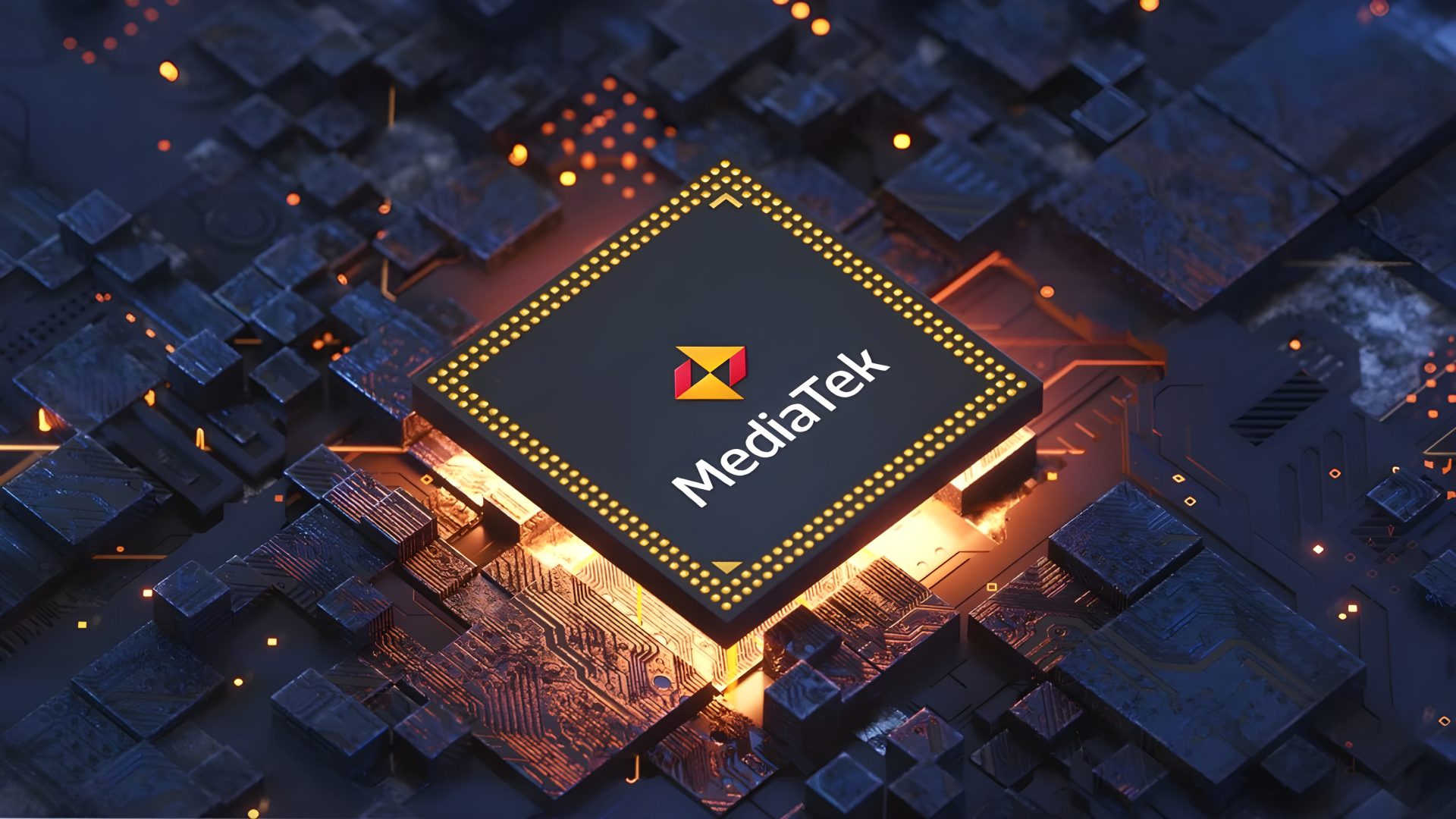
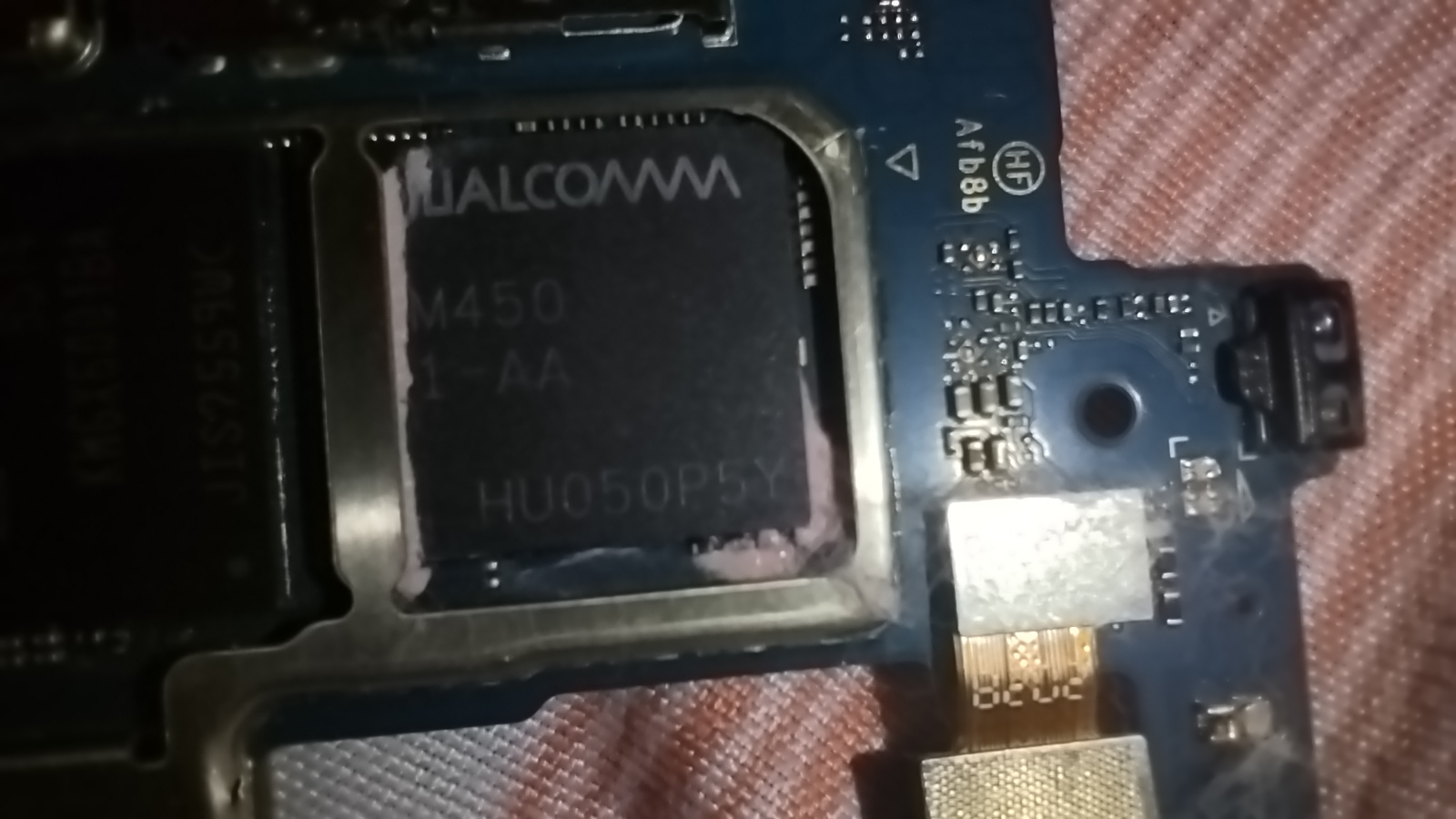
The Snapdragon 8 Elite Gen 5 is built on TSMC’s advanced 2nm process, a significant leap forward in efficiency and performance. Its performance cores are designed to handle demanding tasks with ease, but the current benchmark suggests that Samsung may be fine-tuning thermal behavior or power management for optimal user experience.
One notable detail is the absence of a 16GB RAM variant in the Geekbench database, which raises questions about whether such a configuration will appear before or after Samsung’s official announcement. Historically, flagship devices have offered multiple memory options to cater to different user needs, so its omission could indicate a shift in strategy.
The efficiency cores of the chip are running at their standard 3.63GHz, suggesting that any adjustments are focused on the performance tier. This could be part of Samsung’s broader approach to balancing power consumption and sustained performance, especially as devices become more complex with AI integration and advanced camera systems.
Looking ahead, industry analysts expect the Galaxy S26 Ultra to reach its full clock speeds by the time of Samsung’s Galaxy Unpacked event on February 25. At that point, benchmarks will likely reflect the chip’s true potential, providing a clearer picture of how it stacks up against competitors like the iPhone and other Android flagships.
While Geekbench 6 offers a snapshot of performance, it does not fully capture real-world usage patterns. Tests like 3DMark Wildlife Extreme, which simulate prolonged workloads, are better suited for assessing sustained efficiency. Still, the current results suggest that the Snapdragon 8 Elite Gen 5 will be a formidable choice for Samsung’s top-tier device.
The Galaxy S26 Ultra is poised to debut with cutting-edge hardware, including the latest advancements in display technology showcased at CES 2026. These innovations, combined with the Snapdragon 8 Elite Gen 5, could redefine what consumers expect from a premium smartphone.