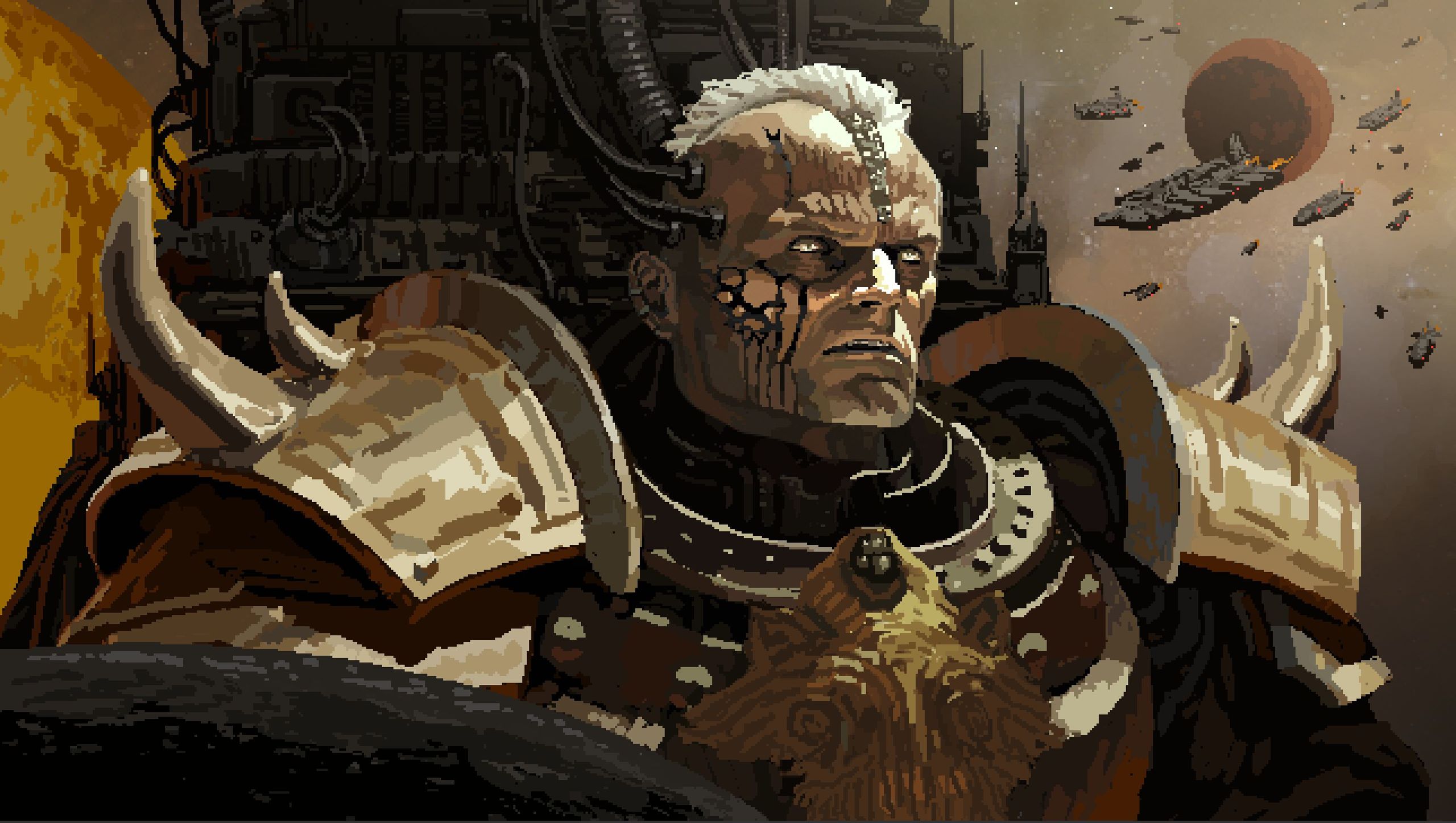
The indie space roguelike Void War has been temporarily pulled from Steam after receiving a DMCA notice from Games Workshop. The issue? A single trailer frame featuring a character with oversized convex shoulder pads and a metallic rim, an aesthetic detail the publisher argued could mislead players into associating the game with Warhammer 40,000.
Developers at Tundra Interactive initially questioned the legitimacy of the notice, given that the email was signed by Mal Reynolds—a fictional character from the sci-fi series Firefly. However, confirmation arrived that the correspondence was genuine, forcing the team to remove the trailer to avoid further legal action. While the game’s core art direction is original, the specific design in question bore a striking resemblance to Chaos Space Marines, a cornerstone of Warhammer’s visual identity.
Despite the removal, Void War remains available on Steam, now without its promotional trailer. The incident highlights the challenges indie developers face when navigating intellectual property boundaries, even when borrowing from broader sci-fi tropes. The game’s demo is still accessible, allowing players to experience its FTL-inspired mechanics firsthand.
Why This Matters
The case underscores how even subtle design choices—like armor contours or color schemes—can trigger legal scrutiny in franchises with deeply ingrained visual identities. Warhammer 40,000’s aesthetic is widely emulated in gaming, from Fallout’s power armor to StarCraft’s mech units, yet its trademarks remain fiercely protected. For developers, the takeaway is clear: originality in art direction is essential, even when drawing from established sci-fi themes.
What’s Next?
Tundra Interactive has not indicated plans to revisit the trailer’s content, instead focusing on refining the game’s gameplay. Void War introduces quality-of-life improvements to the FTL formula, including enhanced ship customization and procedural events. Whether future updates will address the visual controversy remains uncertain, but the incident serves as a cautionary tale for indie studios operating in visually saturated genres.
The game’s demo remains a viable entry point for players curious about its mechanics, offering a glimpse into a roguelike experience that, despite its legal hiccup, retains a distinct identity.