Intel has quietly abandoned its Software Defined Silicon (SDSi) initiative, a plan that would have allowed customers to pay extra to enable specific hardware features on its Xeon processors. Originally branded as 'Intel On Demand,' the program aimed to monetize optional accelerators—such as data streaming, security extensions, and dynamic load balancing—through one-time activation fees rather than traditional licensing models.
The effort never gained meaningful adoption, particularly among hyperscale cloud providers who operate at massive scale. Paying additional costs for features already embedded in silicon they had already purchased proved impractical, effectively killing the initiative’s business case. Intel has since archived the associated GitHub repository and stripped much of the promotional material from its website, leaving only a handful of documents behind.
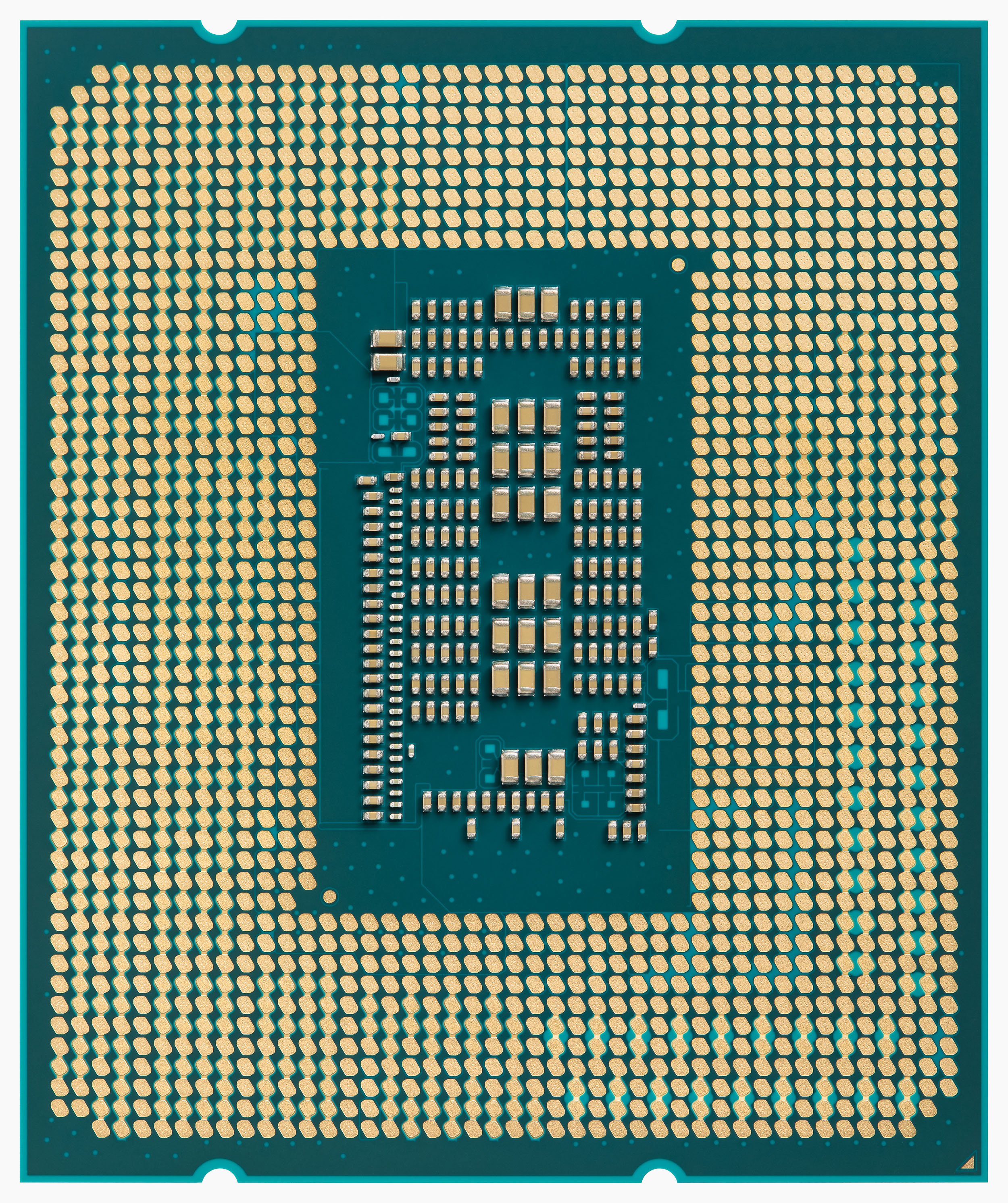
While the concept mirrored subscription-based software models, it stood out for its hardware-centric approach. Features like Quick Assist, Dynamic Load Balancer, and Data Streaming Accelerator were slated for optional activation, but the lack of demand—combined with the complexity of managing paywalled silicon—led to its demise. The idea had even sparked speculation about whether it might eventually trickle down to consumer CPUs, but with the program now defunct, such possibilities appear unlikely in the near term.
The shutdown underscores a broader industry trend: hardware features, once considered fixed, are increasingly being repackaged as software-defined or subscription-based services. However, Intel’s experiment suggests that enterprises remain hesitant to adopt paywalled silicon, preferring traditional procurement models where hardware and features are bundled upfront.
For now, the concept of hardware features behind a paywall remains confined to niche software models, leaving Intel’s next steps in silicon innovation focused on performance and integration rather than monetization strategies.